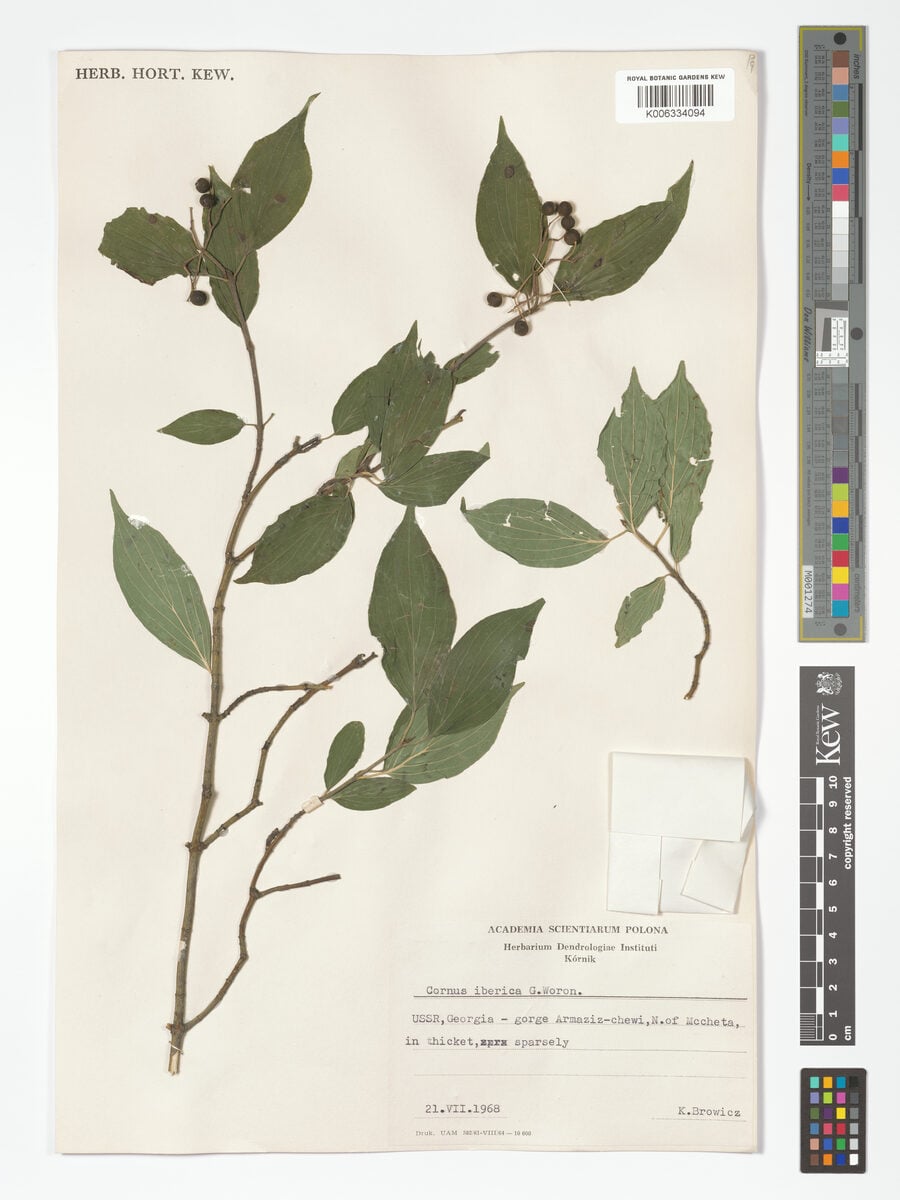
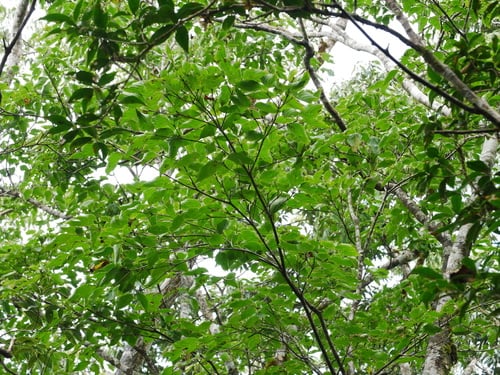
Nyssa yunnanensis
W.C.Yin
Longbo
iNaturalist· cc-by-nc
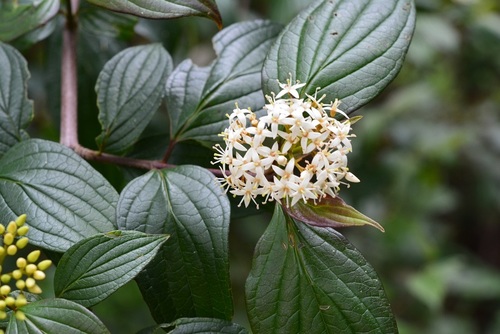
(c) 刘光裕 Liu Guangyu, some rights reserved (CC BY-NC), uploaded by 刘光裕 Liu Guangyu
wikimedia· cc0
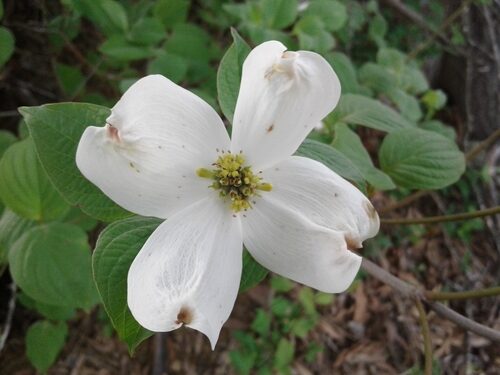
Wikimedia Commons - Daderot
wikimedia· cc0
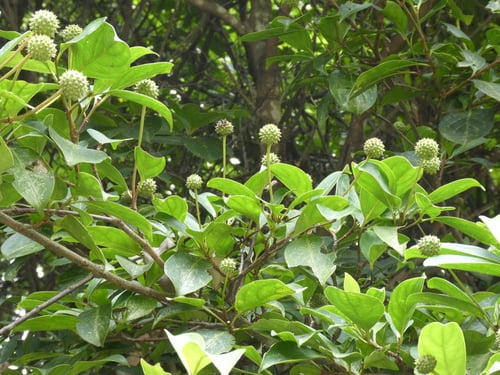
Wikimedia Commons - Daderot
Summary
Source: WikipediaNyssa yunnanensis is a species of tree in the Nyssa genus. It is a dioecious tree (meaning that it has distinct male and female individual organisms) reaching 25–30 m (82–98 ft) in height. This flowering canopy tree inhabits mountainous tropical bogs and marshes. Because of habitat loss and logging, this species is critically endangered in the IUCN Red List of Threatened Species. It now exists only in the vicinity of Xishuangbanna, which is located in Jinghong County, Yunnan Province, China. Only eight individual trees and two populations have been found in the wild, and 1999 this species has been listed among China's national Class I protection species and also among 120 PSESP (Plant Species with Extremely Small Populations) in the Implementation Plan of Rescuing and Conserving China's Plant Species with Extremely Small Populations (PSESP) and as critically endangered in the Threatened Species List of China's Higher Plants. To facilitate future conservation biology studies a reference genome was sequenced, creating a 1475 Mb assembly with 39,803 protein-coding genes. DNA was collected from a voucher specimen from Ruili Botanical Garden and stored in the China National GeneBank herbarium.
Description
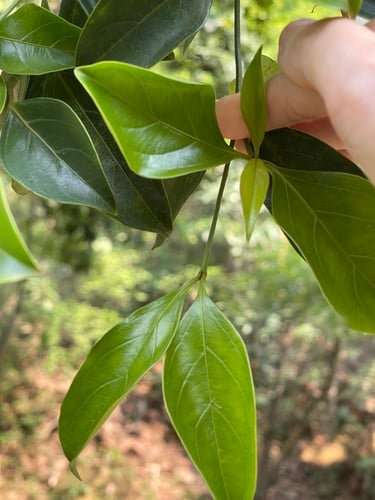
A tree. It grows 25-30 m tall. The trunk is about 1 m across. The bark is dark brown and has shallow cracks. The branches have a dense yellow coating. The leaves are grey-green underneath. They are 15-22 cm long by 8-12 cm wide. They are thickly leathery. Trees are separately male and female. The fruit occur as 4 or 5 in a group. They are purplish brown. They are 2 cm long.
Edible Uses
The fruit are eaten raw.
Traditional Uses
The fruit are eaten raw.
This uses section is brief — help expand it
Distribution
A tropical plant. It grows between 1300-1500 m altitude in Yunnan in China. It grows in monsoon forest.
Where It Grows
Asia, China,
Production
In China plants flower in March and fruit in September.
Notes
Also put in the family Nyssaceae.
Nutrition
| Part | Moisture | kJ | kcal | Protein | Vit A | Vit C | Iron | Zinc |
|---|---|---|---|---|---|---|---|---|
| Fruit | 78.6 | — | — | — | — | 2.8 | — | — |
References (1)
- Jin, Chen et al, 1999, Ethnobotanical studies on Wild Edible Fruits in Southern Yunnan: Folk Names: Nutritional Value and Uses. Economic Botany 53(1) pp 2-14