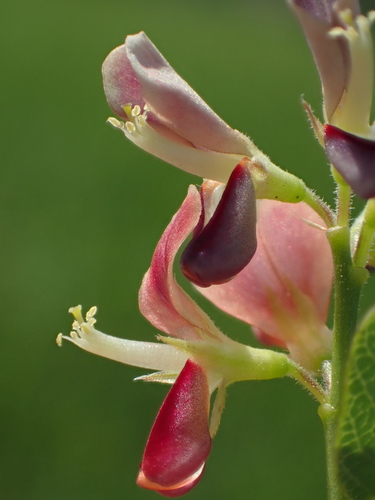
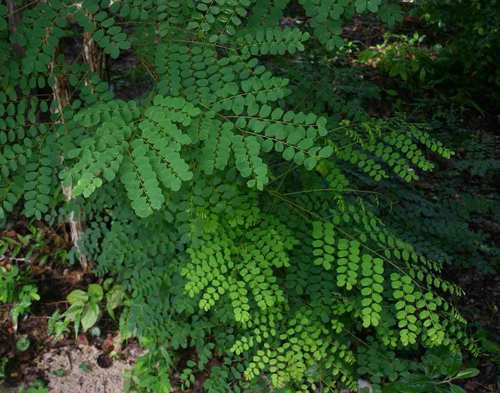
Pueraria candollei
Graham ex Bentham
iNaturalist· cc-by-nc
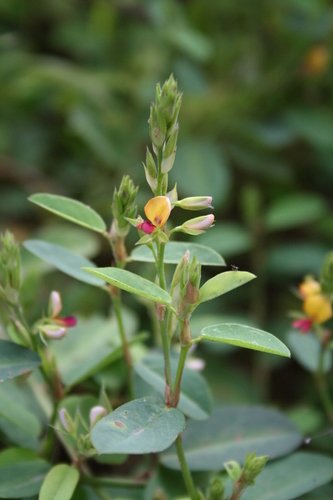
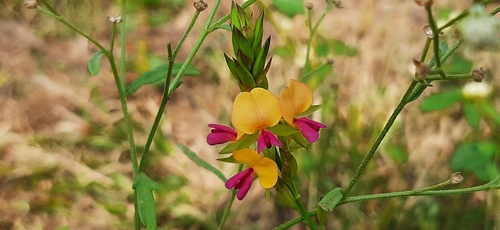
(c) Kroolek Reinthong, some rights reserved (CC BY-NC), uploaded by Kroolek Reinthong
iNaturalist· cc-by-nc
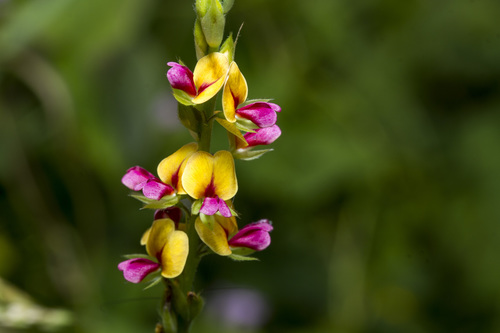
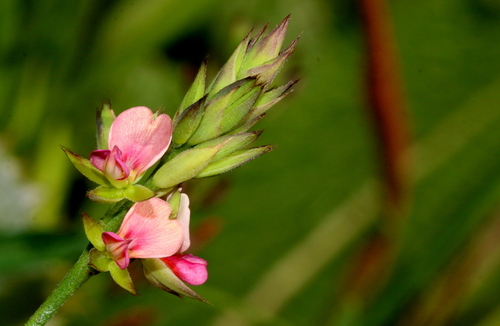
(c) Kroolek Reinthong, some rights reserved (CC BY-NC), uploaded by Kroolek Reinthong
Description
Pueraria candollei is a tropical climbing vine in the legume family (Fabaceae), with edible roots and tubers.
This description is brief — help expand it
Edible Uses
The roots and tubers are eaten.
Medicinal Uses
The health benefits of this species appear to be restricted to the subspecies Pueraria candollei mirifica (Airy Shaw & Suvat.) Niyomdham, (synonym Pueraria mirifica Airy Shaw & Suvat.). The tubers are aphrodisiac, rejuvenative and tonic. They are a rich source of phytoestrogens, especially miroestrol, and are used for their oestrogenic effect in the body. This is said to take many forms, including breast enlargement and reduction of breast sagging in women, some slowing down of the aging process including restoring white hair to its original colour, improvement of memory, improvement of skin tone. Many flavonoids (daidzein, daidzin, genistein, genistin, kwakhurin, mirificin, miroestrol) as well as coumarins (columestrol, mirificoumestan and mirificoumestan hydrate) have been isolated from the tuber. Pharmacological studies have shown oestrogenic, antiimplantation, abortifacient, antifertility, antispermatogenic and hypercalcaemic effects. Traditionally, the tuber has been used as a rejuvenative dietary supplement for the elderly of both sexes - it is said to promote good health; improve the memory; promote strength and vitality; enrich the blood; improve the appetite; improve sleep patterns; restore hair colour. When combined with myrobalan (Terminalia bellirica) it is said to clear the vision and treat cataracts. The tuber is also used, both as a dietary supplement and as a skin cream, as a hormone replacement therapy that is also said to increase breast size; improve breast tone; and to improve skin tone, removing wrinkles etc. An ethyl alcohol extract of the tuber has shown interesting oestrogenic properties. In addition, it has shown a growth-promoting effect on skin cells and also reduces cell death from oxidation. The plant has potential as an active ingredient in preparations for the treatment of skin-ageing in post-menopausal women.
Known Hazards
An oestrogenic compound, called miroestrol, is found in the roots. In isolation, this compound has been found to have disagreeable toxic side effects, but these have not been recorded when the whole tuber is used medicinally.
Distribution
It is a tropical plant.
Where It Grows
Asia, Bangladesh, India, Indochina, Myanmar, SE Asia, Thailand,
Propagation
Pre-soak the seed for 12 hours in warm water and sow in a warm greenhouse in early spring. Germination should take place within 2 weeks. Prick out the seedlings into individual pots when they are large enough to handle and plant them out after the last expected frosts. Cover the young plants with a frame or cloche until they are growing away well.
Notes
There are about 20 Pueraria species. It probably contains estrogens.
Also Known As
Ma-u-nwe, Wun-u-nwe
References (2)
- F. A. W. Miquel, Pl. jungh. 2:235. 1852
- PROSEA handbook Volume 9 Plants yielding non-seed carbohydrates. p 179