Clinacanthus nutans
(Burm.f.) Lindau
Sabah snake grass
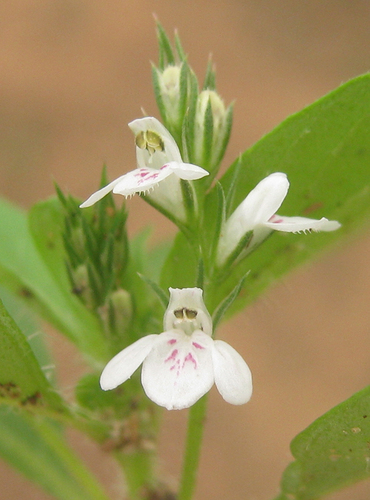
iNaturalist· cc0
no rights reserved, uploaded by 葉子
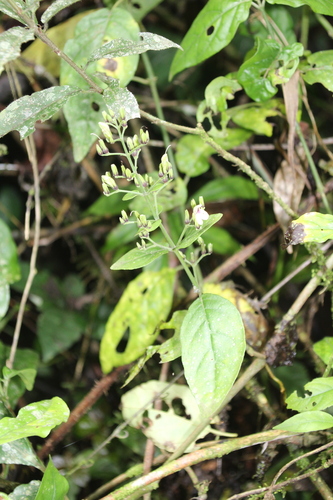
iNaturalist· cc0
no rights reserved, uploaded by 葉子
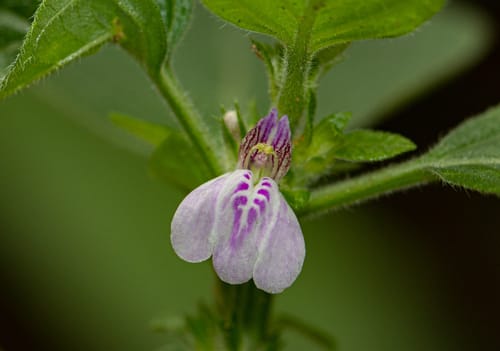
iNaturalist· cc0
no rights reserved, uploaded by 葉子
Summary
Source: WikipediaClinacanthus nutans is a species of plant in the family Acanthaceae. It is also known by the common names belalai gajah (Malay), phaya yo (Thai), Sabah snake grass, ki tajam (Sunda), and dandang gendis (Jawa). This plant is used in the traditional herbal medicines of Malaysia, Indonesia, Thailand, and China. It has been used in Indonesia in the treatment of dysentery and diabetes.
Description
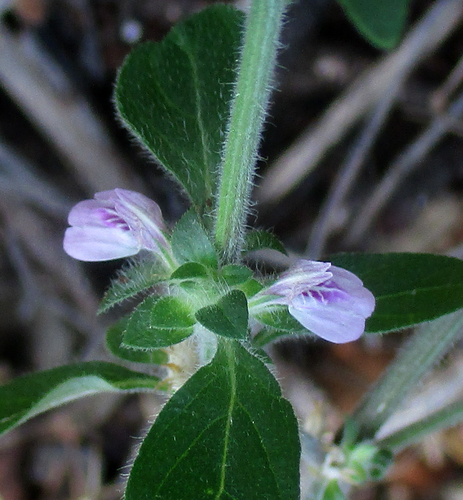
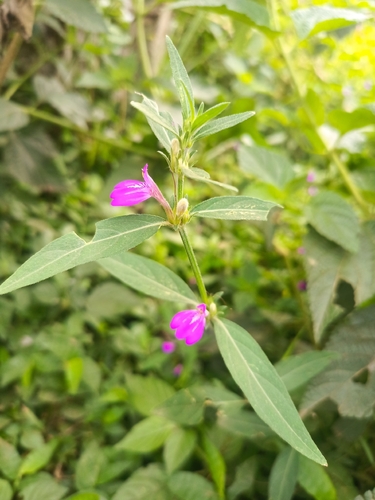
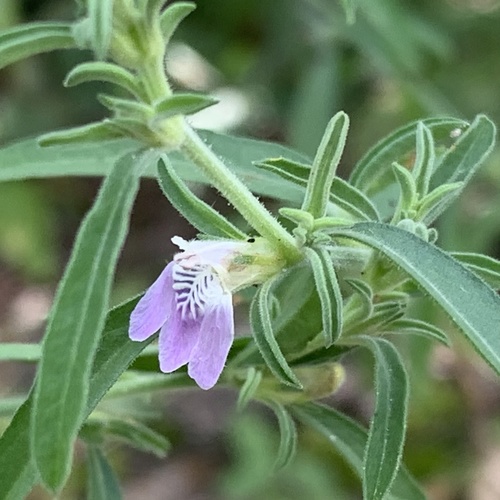
A herb or shrub. It grows 1 m tall. The leaves are oval or sword shaped and 7-12 cm long by 1-4 cm wide. They are hairy when young. There can be teeth along the edge. The flowers are near the top of the plant. They are dull red with a green base. They are tube shaped and 6 cm across. The fruit is an oval capsule 2 cm long. There are up to 4 seeds.
Edible Uses
The leaves are consumed as tea and are sold in local markets.
Medicinal Uses
It is used in treating skin rashes, insects and snake bites, lesions caused by herpes simplex virus, diabetes, and gout in Malaysia, Indonesia, Thailand and China.
Distribution
A tropical plant. It grows in dipterocarp forests and also in savannah up to 700 m above sea level. In XTBG Yunnan.
Where It Grows
Asia, China, Indochina, Indonesia, Laos, Malaysia, SE Asia, Thailand, Vietnam,
Cultivation
Plants can be grown from seeds or cuttings.
Other Uses
The plants are grown as a hedge.
Other Information
Leaves are sold in markets. It is cultivated.
Notes
There is only one (3) Clinacanthus species. It is used in medicine.
Synonyms
Also Known As
Pokok belalai gajah
References (4)
- Burkill, I.H., 1966, A Dictionary of the Economic Products of the Malay Peninsula. Ministry of Agriculture and Cooperatives, Kuala Lumpur, Malaysia. Vol 1 (A-H) p 595
- "Chinese Nutrition Journal", 2002, Vol 23(11) p 121
- Li, D. et al, 2017, Ethnobotanical survey of herbal tea plants from the traditional markets in Chaoshan, China. Journal of Ethnopharmacology. 205 (2017) 195-206
- Sukarya, D. G., (Ed.) 2013, 3,500 Plant Species of the Botanic Gardens of Indonesia. LIPI p 1089