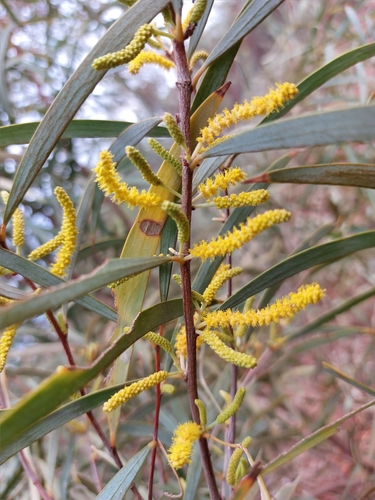
Melilotus altissimus
Thuill.
Tall Melilot, Tall yellow sweetclover
iNaturalist· cc-by-nc
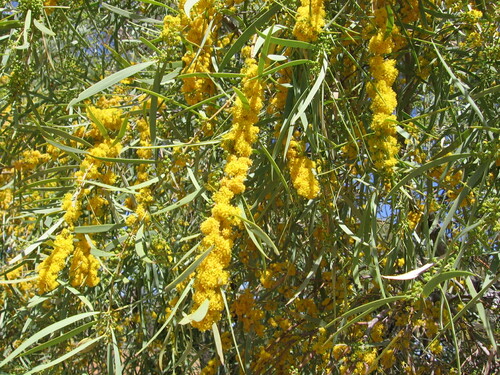
(c) Pete Woodall, some rights reserved (CC BY-NC), uploaded by Pete Woodall
iNaturalist· cc-by-nc
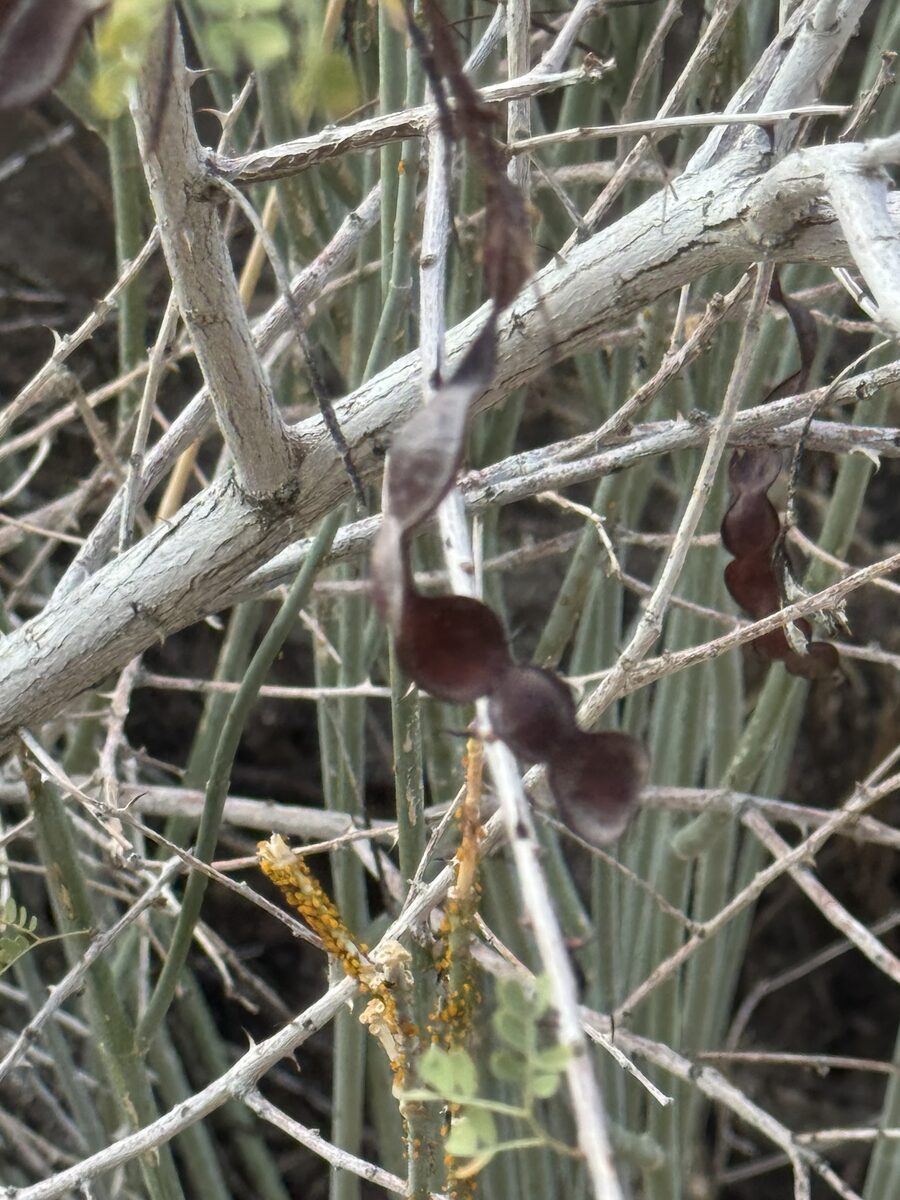
(c) Felix Riegel, some rights reserved (CC BY-NC), uploaded by Felix Riegel
iNaturalist· cc-by-nc
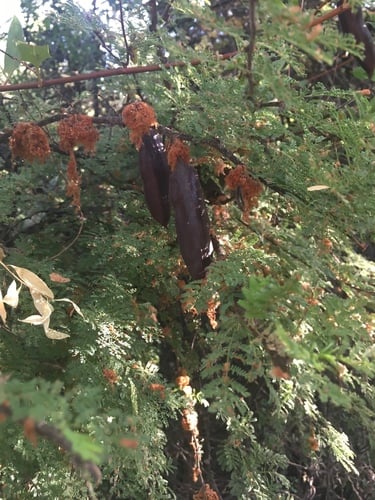
(c) stefan_hageman, some rights reserved (CC BY-NC), uploaded by stefan_hageman
Description
Melilotus altissimus is a BIENNIAL/PERENNIAL growing to 1.2 m (4ft). It is not frost tender. It is in flower from June to August. The species is hermaphrodite (has both male and female organs) and is pollinated by Bees. It can fix Nitrogen. Suitable for: light (sandy), medium (loamy) and heavy (clay) soils and prefers well-drained soil. Suitable pH: neutral and basic (mildly alkaline) soils. It can grow in semi-shade (light woodland) or no shade. It prefers dry or moist soil.
Edible Uses
Condiment. Leaves and seedpods - cooked as a 'bean soup'. Young shoots - cooked. Also used as a flavouring. Only eat the fresh plant, it becomes toxic if it is dried.
Known Hazards
Dried leaves can be toxic though the fresh leaves are quite safe. (This is possibly due to the presence of coumarin, the substance that gives some dried plants the smell of new mown hay. If taken internally it can prevent the blood from clotting.)
Distribution
Europe. Naturalized in Britain.
Where It Grows
EUROPE: Denmark, Norway, Sweden, Czechoslovakia, Austria, Belgium, Switzerland, Germany, Hungary, Netherlands, Poland, Russian Federation (European part), Moldova, Ukraine, Former Yugoslavia, Albania, Greece, Italy, Romania, Spain, France
Cultivation
Dislikes shade. This species has a symbiotic relationship with certain soil bacteria, these bacteria form nodules on the roots and fix atmospheric nitrogen. Some of this nitrogen is utilized by the growing plant but some can also be used by other plants growing nearby.
Propagation
Seed - sow spring to mid-summer in situ. Pre-soaking the seed for 12 hours in warm water will speed up the germination process, particularly in dry weather. Germination will usually take place within 2 weeks.
Other Uses
Repellent. The dried plant is used as a moth repellent.