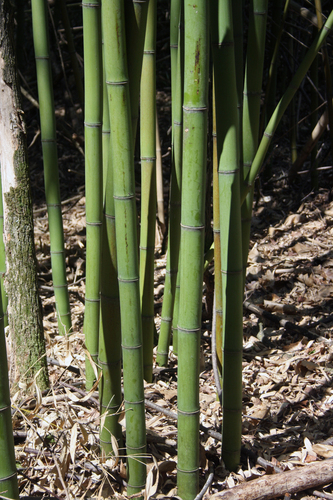
Cenchrus purpureus
(Schumach.) Morrone
iNaturalist· cc0
no rights reserved, uploaded by 葉子
iNaturalist· cc-by-nc
(c) taiwan_reevesia, some rights reserved (CC BY-NC)
Summary
Source: WikipediaCenchrus purpureus, synonym Pennisetum purpureum, also known as Napier grass, elephant grass or Uganda grass, is a species of perennial tropical grass native to African grasslands. It has low water and nutrient requirements, and therefore can make use of otherwise uncultivated lands. Historically, this wild species has been used primarily for grazing, recently, however, it has been used as part of a push–pull agricultural pest management strategy. Napier grasses improve soil fertility, and protect arid land from soil erosion. It is also utilized for firebreaks, windbreaks, in paper pulp production and most recently to produce bio-oil, biogas and charcoal. It also helps feed animals such as goat, rabbit, even pig, and cow .
Description
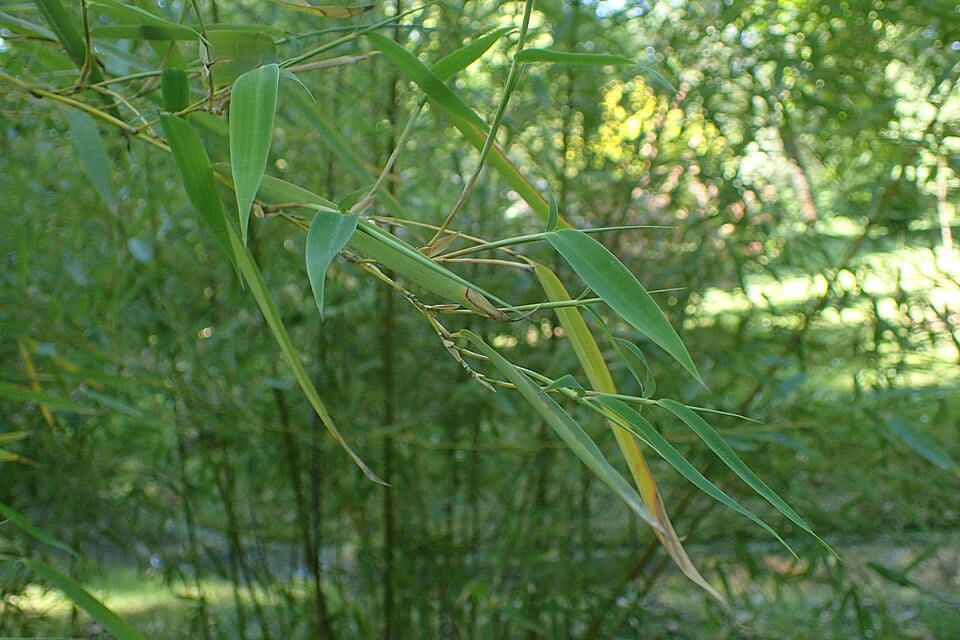
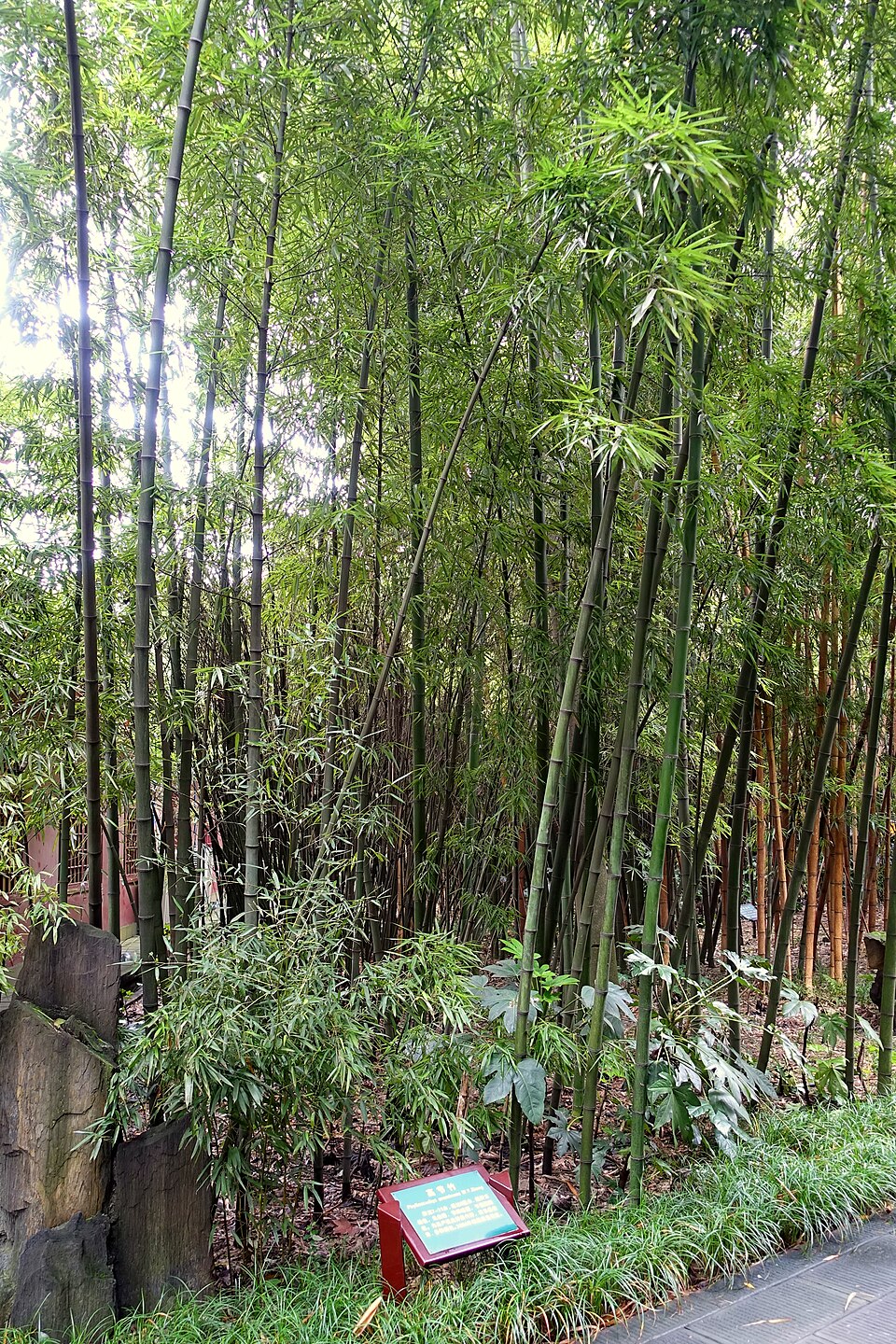
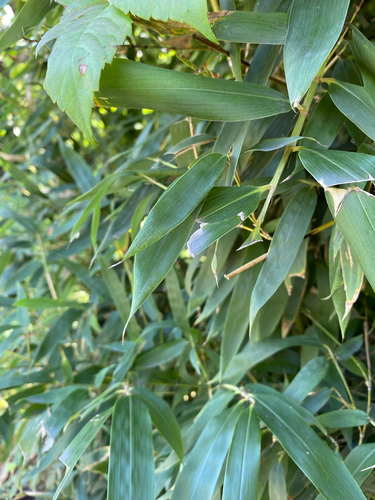
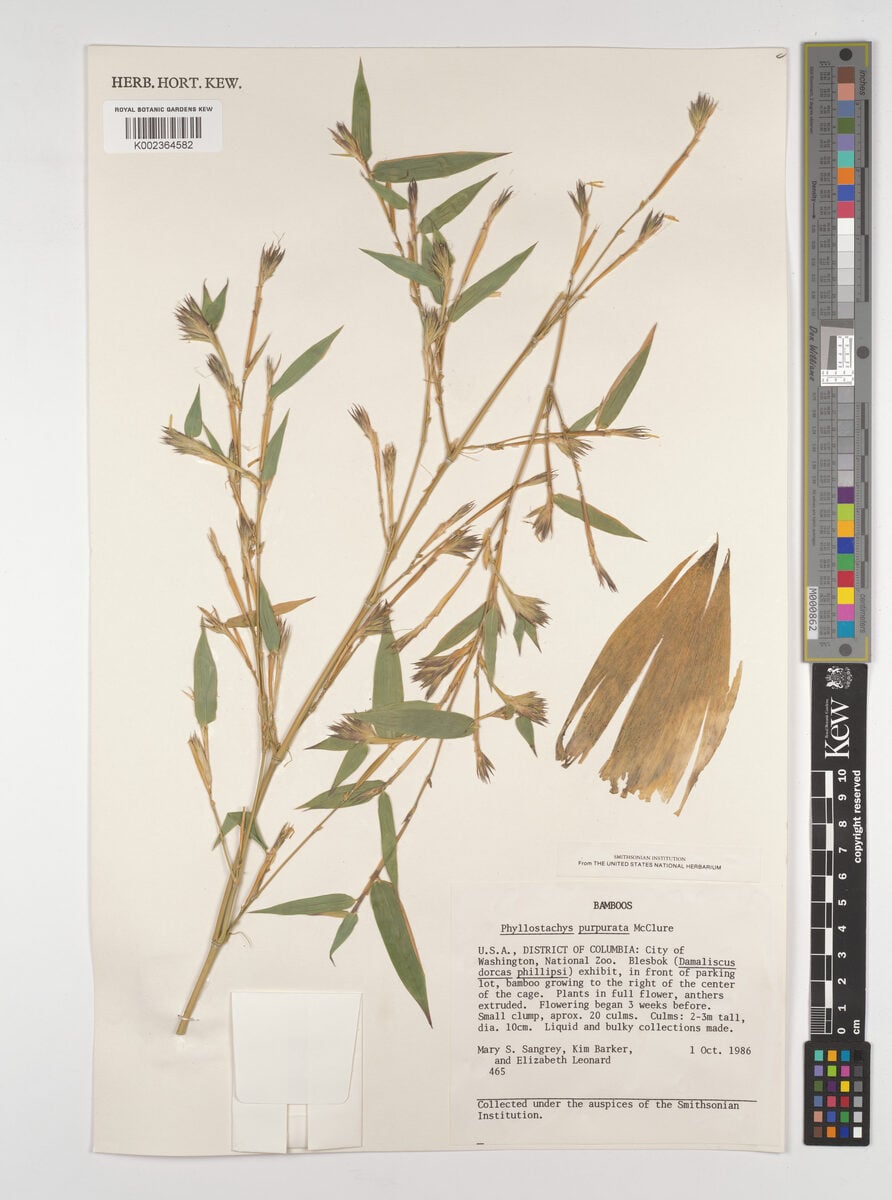
Cenchrus purpureus is a tropical grass in the Poaceae family.
This description is brief — help expand it
Edible Uses
Very young and tender inflorescences are eaten as vegetable. The young leaves and shoots are added to soups to provide extra protein, carbohydrates, fat and vitamins. The soup is mildly laxative. The culms, reduced to ash, are leached to produce a vegetable salt.
Medicinal Uses
The plant is used in a number of medical applications in Africa. Examination of Nigerian material has shown a trace of alkaloid in the leaf. Extracts of all parts of the plant are strongly diuretic. An infusion of both foliage and culms is used in treating anuria, whilst a root-decoction is given in the treatment of blennorrhoea. A leaf-infusion is used as a gargle and mouthwash to treat buccal affections, gingivitis and thrush. Sap expressed from young shoots which have been heated over a fire is mixed with a little salt and instilled into the eyes for treating cataracts. The sap is also considered healing on wounds, both on its own and also in combination with other herbs. The stem-sap is used in treating ear problems. The pith taken from the ends of young culms is softened in a fire and used as a dressing for contusions. Ash from the roasted culms is mixed into an ointment with palm-oil or false shea butter (Lophira lancolata), then used as a base for treating herpes and other skin-complaints. The ash is added to slices of the large green banana and then put on ulcers on the soles of the feet. The seed is reportedly used to cure headache.
Distribution
It is a tropical plant.
Where It Grows
Brazil, South America,
Cultivation
A plant of the moist tropics, it can also be grown in subtropical and warm temperate regions. It is found at elevations from near sea level to 2,000 metres in the tropics. It grows best in areas where the mean annual temperature falls within the range 21 - 40°c, but can tolerate 15 - 45°c. Plants can survive occasional light frosts. It prefers a mean annual rainfall in the range 1,500 - 2,500mm, tolerating 850 - 4,000mm. Grows best in a sunny position, but tolerates light shade. Succeeds in most soils - although it can persist and compete in dry, sandy soils, it grows best in rich, well-drained conditions. Established plants have a deep root system and are extremely drought tolerant. It prefers a pH in the range 5 - 6.5, tolerating 4.5 - 8.2. The plant has escaped from cultivation and become naturalized in many parts of the tropics and subtropics. In moist rich places it forms reed jungles, thereby eliminating the use of such land for cultivation. It forms dense perennial stands, difficult to penetrate, which inhibits establishment of other vegetation. A fast-growing plant, under favourable conditions it can reach a height of several metres within 60 days. Plants recover well after fire, and can become the dominant vegetation in fire-affected savannah communities. Seed set is usually poor, possibly due to low pollen viability.
Propagation
Seed - Vegetative propagation is either by dividing clumps of roots and stubble, or by stem cuttings consisting of at least three nodes, two of which are buried.
Other Uses
The plant can be used as a source of fibre for making paper, in much the same way as Esparto grass (Stipa tenacissima). They produce a good quality paper. The following notes refer to Esparto grass - A fibre from the leaves and stems is used in making paper, mats, ropes etc. It is very strong and is particularly used in making high quality paper. The leaves and stems are harvested in the summer, cut into usable pieces and soaked in clear water for 24 hours. They are then cooked in lye for 2 hours and beaten in a bell mill. The dried culms are used to make fences, huts and screens. They are also used for thatching in some areas, though are not favoured for this purpose in other areas. The dried culms serve as pipe stems. Culms, cut to a sharp point, are used as spears in mimic battle in some religious rites in N Nigeria. Elephant grass has a range of uses in perennial gardening. It is extensively cultivated as an excellent drought-resistant grass for green forage, silage, and mulching. Some cultivars withstand permanent grazing. Sometimes it is grown for soil regeneration (3 - 6 year fallow), as wind shelter, for erosion control, and also for biomass production. It can be used for ground cover, soil conservation and windbreaks. It is planted as a boundary-marker between garden plots, even though the roots can compete with the adjacent crop. The vigorous compact habit of growth lends the plant to the establishment of stands on river-banks to prevent erosion and scour. Intercropping with cassava and banana is often practised in home gardens.
Notes
The name is ambiguous.
References (1)
- World Checklist of Useful Plant Species 2020. Royal Botanic Gardens, Kew