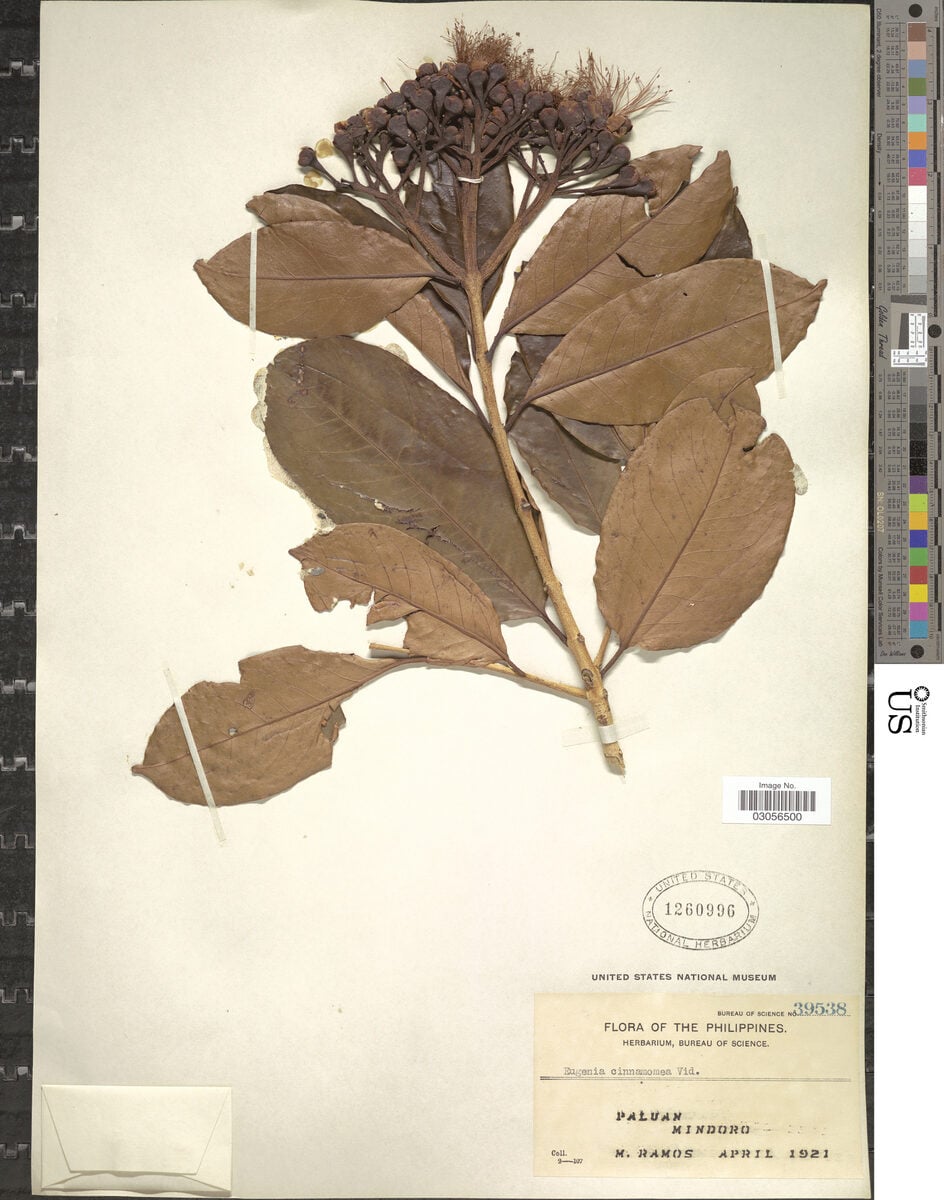
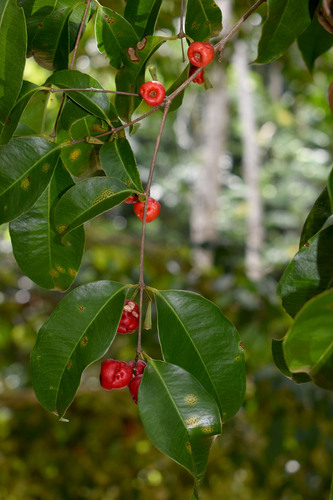
Baeckea gunniana
Schauer
Alpine Baeckia, Mountain heath myrtle
iNaturalist· cc-by-nc-sa
(c) Arthur Chapman, some rights reserved (CC BY-NC-SA)
iNaturalist· cc-by-nc
(c) Jonathan M, some rights reserved (CC BY-NC), uploaded by Jonathan M
iNaturalist· cc-by-nc-sa
(c) Reiner Richter, some rights reserved (CC BY-NC-SA), uploaded by Reiner Richter
Summary
Source: WikipediaBaeckea gunniana, commonly known as alpine baeckea, is a species of flowering plant in the family Myrtaceae and is endemic to alpine and sub-alpine areas of south-eastern Australia. It is a densely-branched shrub with egg-shaped to oblong leaves and small white flowers with four to six stamens.
Description
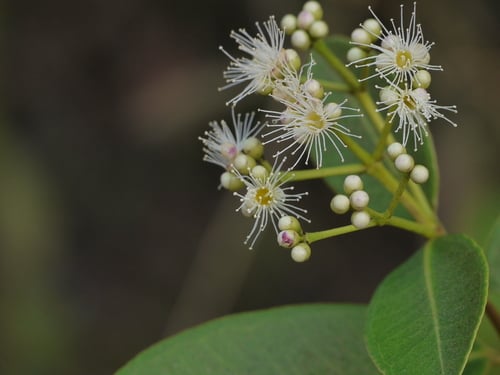
A shrub. It often lies along the ground. It can grow 2 m high and spread 50 cm wide. The leaves are narrow and crowded. They are dotted with oil glands and have an aromatic scent when crushed. The leaves are 2-6 mm long and thick. They are dark green. The flowers are small and white. They are 4 mm across. They have 5 petals. Flowers occur near the ends of branches. The fruit is a capsule.
Edible Uses
Edible Parts: Edible Uses: Tea The leaves are a tea substitute, they are very refreshing and aromatic. A citrus-like flavour.
Medicinal Uses
None known
Distribution
A temperate plant. It occurs in mountain plateaux above 800 m altitude. It does best in light shade. It needs regular watering. It is frost resistant but damaged by drought. It suits hardiness zones 7-8. Arboretum Tasmania.
Where It Grows
Australia*, Tasmania*,
Cultivation
Requires a position in full sun in a fertile moisture retentive well-drained soil. This species is not very hardy in Britain, though it should survive outdoors in the very mildest areas of the country, especially if given a sheltered position. Plants in Australian gardens tolerate temperatures down to at least -7°c, but this cannot be translated directly to British gardens due to our cooler summers and longer, colder and wetter winters. The leaves emit a powerful camphor-like scent when handled. This species is very closely related to and perhaps synonymous with B. utilis. A rock garden plant, it seems to maintain its prostrate habit even when grown at lower altitudes.
Propagation
Seed - surface sow in spring or autumn in a greenhouse and keep the compost moist until germination takes place. When they are large enough to handle, prick the seedlings out into individual pots and grow them on in the greenhouse for at least their first winter. Plant them out into their permanent positions in late spring or early summer, after the last expected frosts. Cuttings of half-ripe wood with a heel, July/August in a frame.
Other Uses
None known Special Uses Scented Plants
Production
Flowering occurs in January to February.
Notes
There are 70 Baeckea species. Most are in Australia.
References (14)
- Bodkin, F., 1991, Encyclopedia Botanica. Cornstalk publishing, p 125
- Cameron, M.,(Ed.) 1981, A Guide to Flowers & Plants of Tasmania. Reed p 20
- Collier, P., 1995, Alpine Wildflowers of Tasmania. Plant Identikit. Society for growing Australian Plants. Tasmania. p 18
- Cribb, A.B. & J.W., 1976, Wild Food in Australia, Fontana. p 173
- Cronin, L., 1989, The Concise Australian Flora. Reed. p 89
Show all 14 references Hide references
- Curtis, W.M., 1956, The Students Flora of Tasmania Vol 1 p 195
- Elliot, W.R., & Jones, D.L., 1982, Encyclopedia of Australian Plants suitable for cultivation. Vol 2. Lothian. p 273
- Etherington, K., & Imwold, D., (Eds), 2001, Botanica's Trees & Shrubs. The illustrated A-Z of over 8500 trees and shrubs. Random House, Australia. p 113
- Hibbert, M., 2002, The Aussie Plant Finder 2002, Florilegium. p 37
- Kirkpatrick, J., 1997, Alpine Tasmania, An Illustrated guide to the flora and vegetation. Oxford, p 42
- Low, T., 1992, Bush Tucker. Australia’s Wild Food Harvest. Angus & Robertson. p 34
- Steenbeeke, Greg as part of the Plants Directory project. List of plant species from northern NSW that may be used as food plants p 10
- Tasmanian Herbarium Vascular Plants list p 40
- Whiting, J. et al, 2004, Tasmania's Natural Flora. Tasmania's Natural Flora Editorial Committee PO Box 194, Ulverstone, Tasmania, Australia 7315 p 220