Azara microphylla
Hook.f.
Box-leaf azara, Vanilla tree
iNaturalist· cc-by-nc
(c) Camila Molina González, some rights reserved (CC BY-NC), uploaded by Camila Molina González
iNaturalist· cc-by-nc
(c) pau_miranda, some rights reserved (CC BY-NC)
iNaturalist· cc-by-nc
(c) nfohs, some rights reserved (CC BY-NC)
Summary
Source: WikipediaAzara microphylla, the boxleaf azara, is a species of flowering plant in the willow family Salicaceae, native to Chile and Argentina. Growing to 10 metres (33 ft), it is a small, upright, evergreen tree or large shrub. It has small, shiny, very dark green leaves and tiny, vanilla-scented flowers in winter. It is the hardiest of the azaras, withstanding temperatures down to −15 °C (5 °F), but in cooler temperate regions requires some protection from cold winds. It also tolerates full shade. The specific epithet microphylla comes from the Greek micro ("small") and phyllos ("leaf"). The leaves are no more than 2.5 cm (1 in) long. This plant has gained the Royal Horticultural Society's Award of Garden Merit.
Description
An erect small evergreen tree. It grows to 6-10 m high. It is narrowly cone shaped. The bark is grey with lenticels running across it. It cracks into thin flakes. The leaves are oval and 2.5 cm long. They have small teeth and are glossy green above and paler underneath. There is a small leaf like stipule at the base. The flowers are small and in clusters. They do not have petals but have green sepals. They have yellow stamens which are easy to see. They grow in the axils of leaves. They have a vanilla smell. The fruit is a small orange-red berry.
Edible Uses
Edible Parts: Fruit Edible Uses: Fruit. No further details are given. The fruit is very small, about 3mm in diameter according to one report and about 5mm according to another.
Medicinal Uses
None known
Distribution
It is a warm temperate plant. It is native to Argentina and Chile. It grows in deciduous forests. In Argentina it grows from sea level to 1,500 m above sea level. It is a temperate plant. It can be damaged by frost. It suits hardiness zones 8-10. Arboretum Tasmania. Hobart Botanical Gardens.
Where It Grows
Argentina, Australia, Britain, Chile*, Europe, South America, Tasmania,
Cultivation
Prefers a position in sun or light shade in a deep humus rich soil, but succeeds in ordinary garden soil. Succeeds in almost any soil so long as it is not very wet or very dry. Flowers better in a warm sheltered position. Plants are subject to windburn if they are not in a sheltered position. This species is generally hardy in the open in Britain, tolerating temperatures down to about -15°c, though young plants are less hardy. The new growth in spring can be damaged by late frosts. Cultivated for its edible fruit in Chile. The flowers are sweetly fragrant and vanilla scented.
Propagation
Seed - can be sown in a greenhouse or cold frame at any time of the year, though late winter or as soon as the seed is ripe are probably the best times to sow. It usually germinates within 1 - 3 months at 15°c, though it can take 18 months. When large enough to handle, pot the seedlings up into individual pots and grow them on in the greenhouse for at least their first winter. Plant them out in late spring or early summer, after the last expected frosts, and consider giving them some protection from the cold for their first winter or two outdoors. Cuttings of half-ripe wood, July/August in a frame. Cuttings of mature wood of the current season's growth, 7 - 10cm with a heel, November in a cold frame. Takes 12 months. Layering in spring. Takes 6 - 9 months.
Other Uses
None known Special Uses Scented Plants
Notes
There are about 10-15 Azara species. Most Flacourtiaceae are tropical trees. Also put in the Flacourtiaceae family.
References (11)
- Bodkin, F., 1991, Encyclopedia Botanica. Cornstalk publishing, p 121
- Coombes, A.J., 2000, Trees. Dorling Kindersley Handbooks. p 174
- Cundall, P., (ed.), 2004, Gardening Australia: flora: the gardener's bible. ABC Books. p 211
- Etherington, K., & Imwold, D., (Eds), 2001, Botanica's Trees & Shrubs. The illustrated A-Z of over 8500 trees and shrubs. Random House, Australia. p 109
- Fl. antarct. 244. 1845
Show all 11 references Hide references
- Heywood, V.H., Brummitt, R.K., Culham, A., and Seberg, O. 2007, Flowering Plant Families of the World. Royal Botanical Gardens, Kew. p 150
- Hibbert, M., 2002, The Aussie Plant Finder 2002, Florilegium. p 36
- Lord, E.E., & Willis, J.H., 1999, Shrubs and Trees for Australian gardens. Lothian. p 48
- Plants for a Future database, The Field, Penpol, Lostwithiel, Cornwall, PL22 0NG, UK. http://www.scs.leeds.ac.uk/pfaf/
- Ryan, S., 2008, Dicksonia. Rare Plants Manual. Hyland House. p 9
- Young, J., (Ed.), 2001, Botanica's Pocket Trees and Shrubs. Random House. p 121
More from Salicaceae
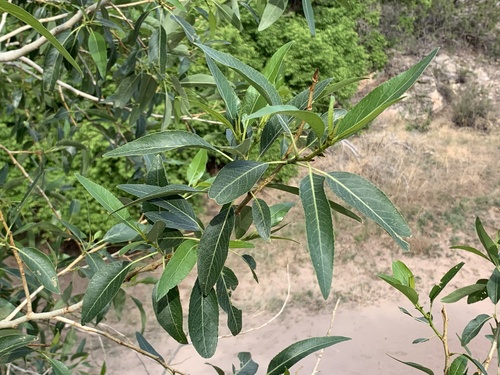
Populus angustifolia
Narrowleaf cottonwood
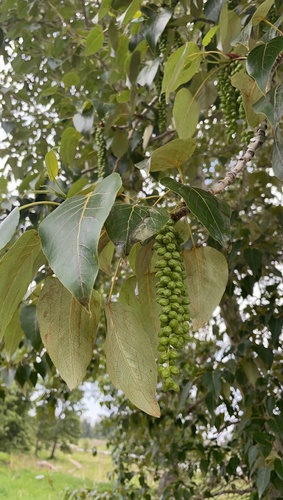
Populus balsamifera
Balsam Poplar, Tacamahac
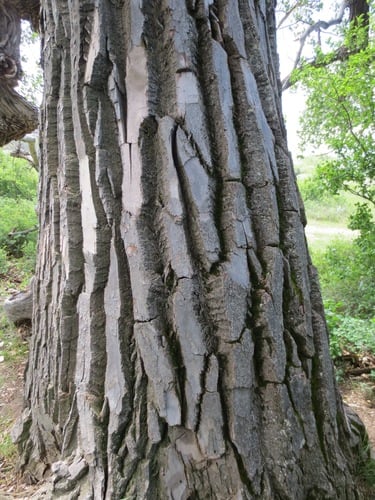
Populus deltoides
Eastern cottonwood, Carolina poplar
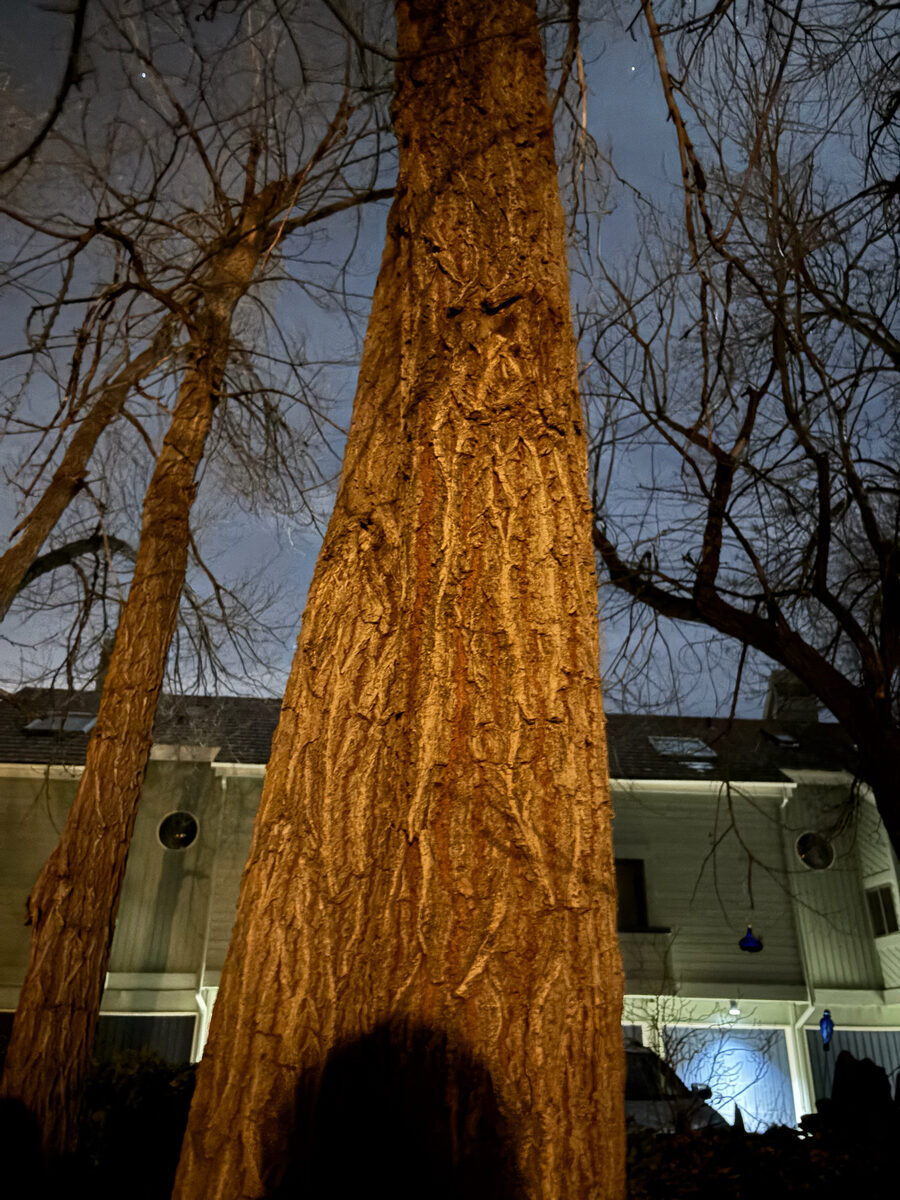
Populus deltoides monilifera - (Aiton.)Eckenw.
Plains Cottonwood
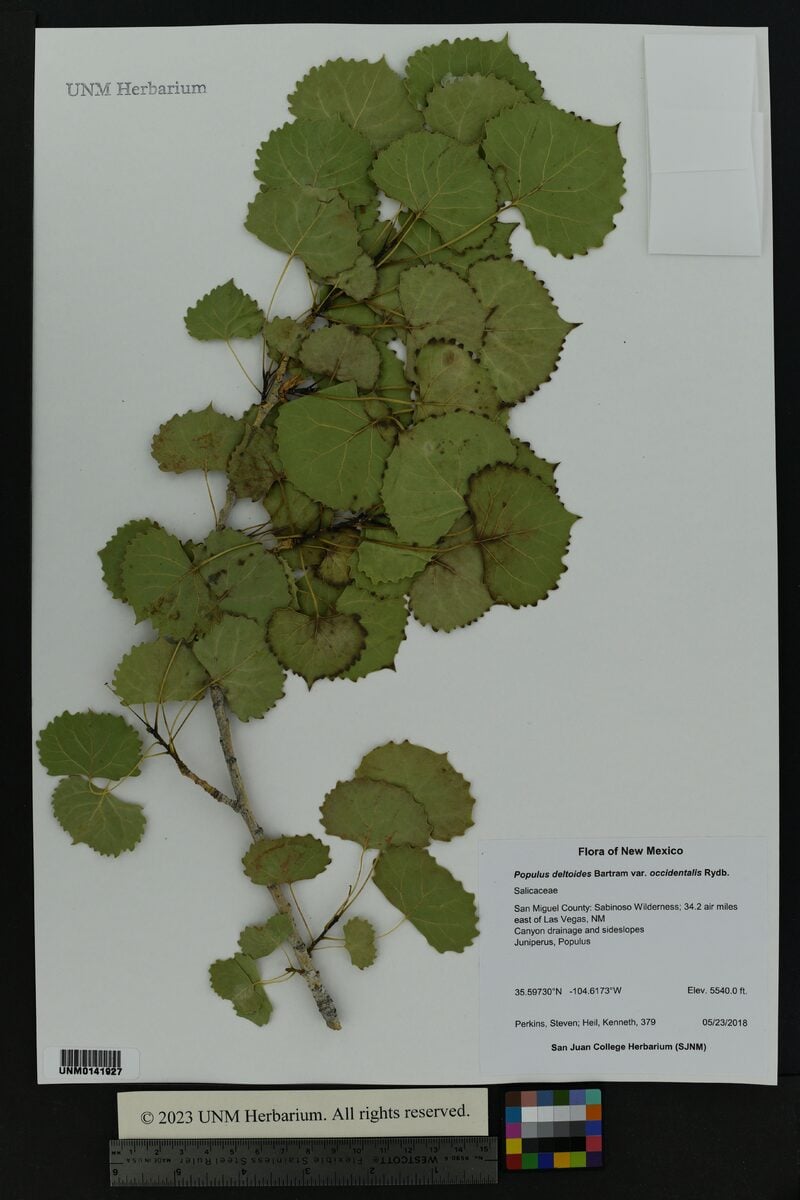
Populus deltoides var. occidentalis
Plains cottonwood
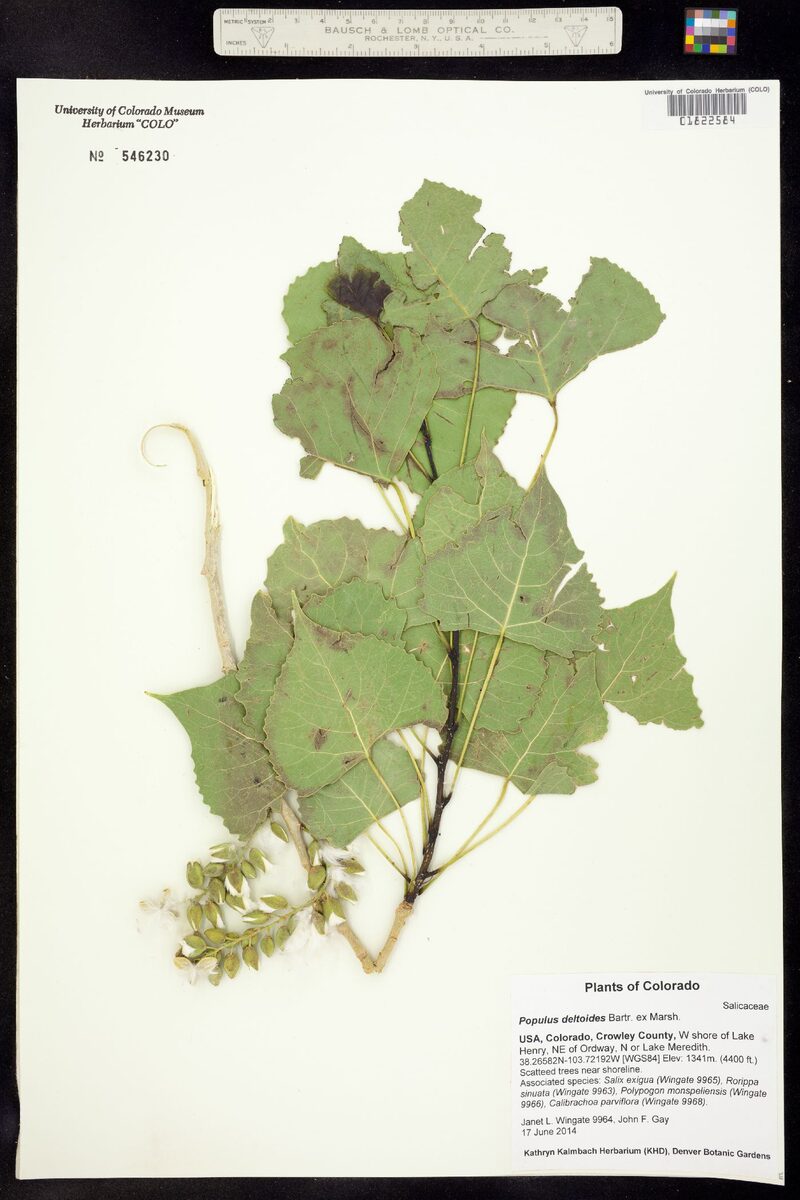
Populus deltoides var. wislizenii
Rio grande cottonwood