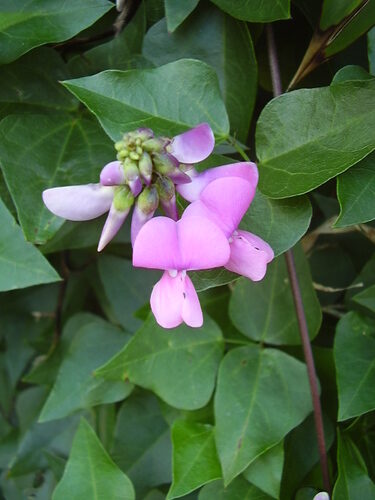
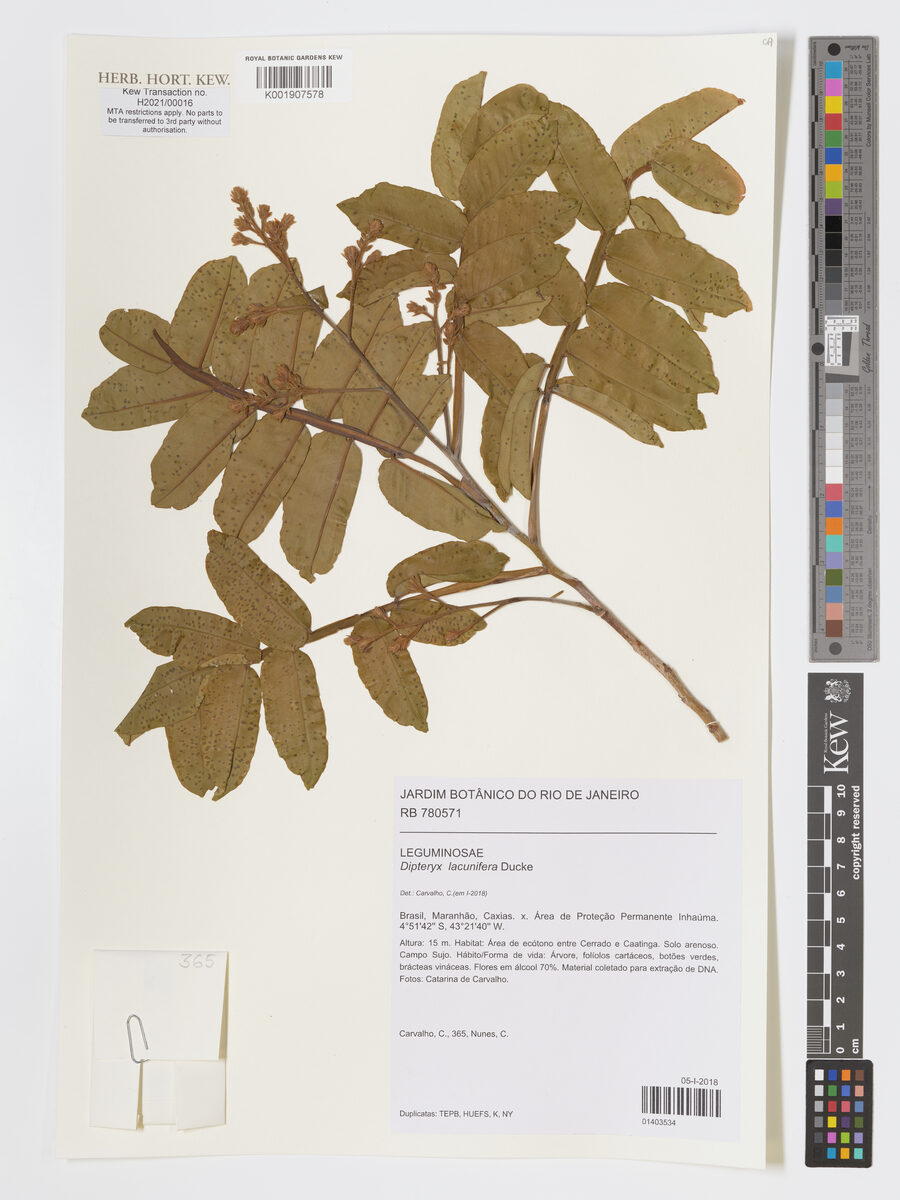
Austrodolichos errabundus
(M.B. Scott) Verdc.
Wanydjarrpu
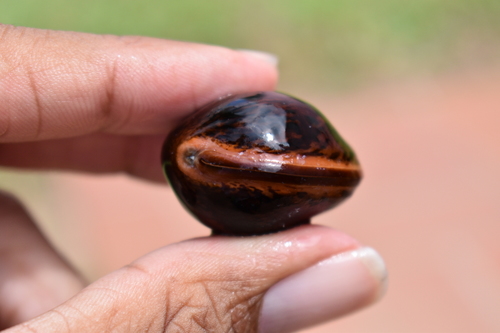
iNaturalist· cc-by-nc-nd
(c) Zig Madycki, some rights reserved (CC BY-NC-ND), uploaded by Zig Madycki
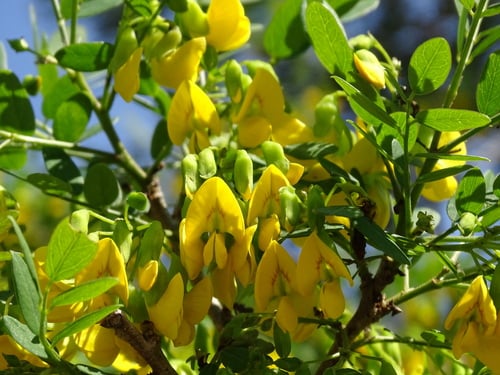
iNaturalist· cc-by-nc-nd
(c) Zig Madycki, some rights reserved (CC BY-NC-ND), uploaded by Zig Madycki
Description
A low vine or creeper. The stems are very slender. The leaves have 3 leaflets. Each leaflet is 3 cm long. They are often oval but can vary in shape. The flowers are mauve or pink and about 2.5 cm long. They are pea shaped. The fruit are pods that are flat and 8 cm long. They are covered with silky hairs. It has a tuber or yam from which it re-grows each year.
Edible Uses
Root tubers of Austrodolichos species have been traditional food for Aborigines of the Northern Territory.
Traditional Uses
The fattened root or yam is roasted then cleaned and softened by crushing. The starch is chewed from amongst the fibres, which are not eaten.
This uses section is brief — help expand it
Distribution
A tropical plant. It grows in open forest. It grows in the wet season and becomes dormant in the dry season. It is very hardy and drought resistant. It needs a well drained soil.
Where It Grows
Australia*,
Cultivation
Plants can be grown from seed. Seed need treatment to help them to grow. Plants can be grown from stem cuttings.
Notes
There is only one Austrodolichos species.
References (7)
- Elliot, W.R., & Jones, D.L., 1982, Encyclopedia of Australian Plants suitable for cultivation. Vol 2. Lothian. p 260
- Jones, D.L. & Gray, B., 1977, Australian Climbing Plants. Reed. p 76
- Kew Bull. 24:400. 1970
- Low, T., 1992, Bush Tucker. Australia’s Wild Food Harvest. Angus & Robertson. p 100
- Paczkowska, G . & Chapman, A.R., 2000, The Western Australian Flora. A Descriptive Catalogue. Western Australian Herbarium. p 417
Show all 7 references Hide references
- Wheeler, J.R.(ed.), 1992, Flora of the Kimberley Region. CALM, Western Australian Herbarium, p 369
- Yunupinu Banjgul, Laklak Yunupinu-Marika, et al. 1995, Rirratjinu Ethnobotany: Aboriginal Plant Use from Yirrkala, Arnhem Land, Australia. Northern Territory Botanical Bulletin No 21. Parks and Wildlife Commission of the Northern Territory. p 20