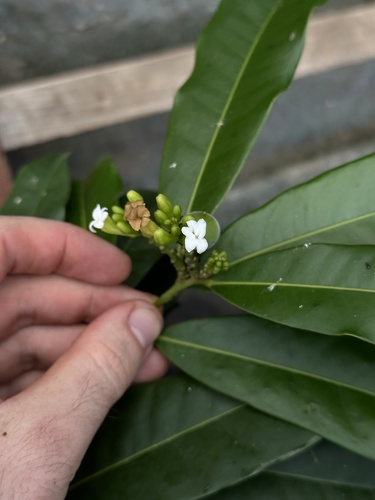
Atroxima afzeliana
(Oliv.) Stapf.
wikimedia· cc-by
Forest & Kim Starr (via Wikimedia Commons)
Summary
Source: WikipediaAtroxima afzeliana is a species of plant in the milkwort family (Polygalaceae). It is endemic to rainforests and forest fringes with altitudes below 200 metres (660 ft) in Western Tropical Africa. It was first described in 1868 by Daniel Oliver, at which point it was described as a new Carpolobia or a new genus. In 1905, Otto Stapf classified it into the atroxima genus.
Description
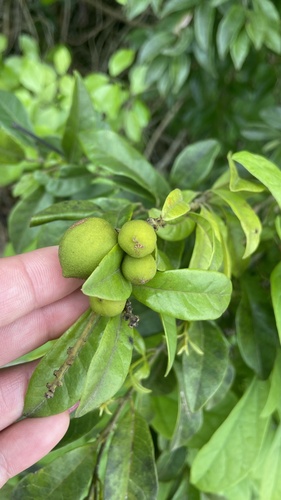
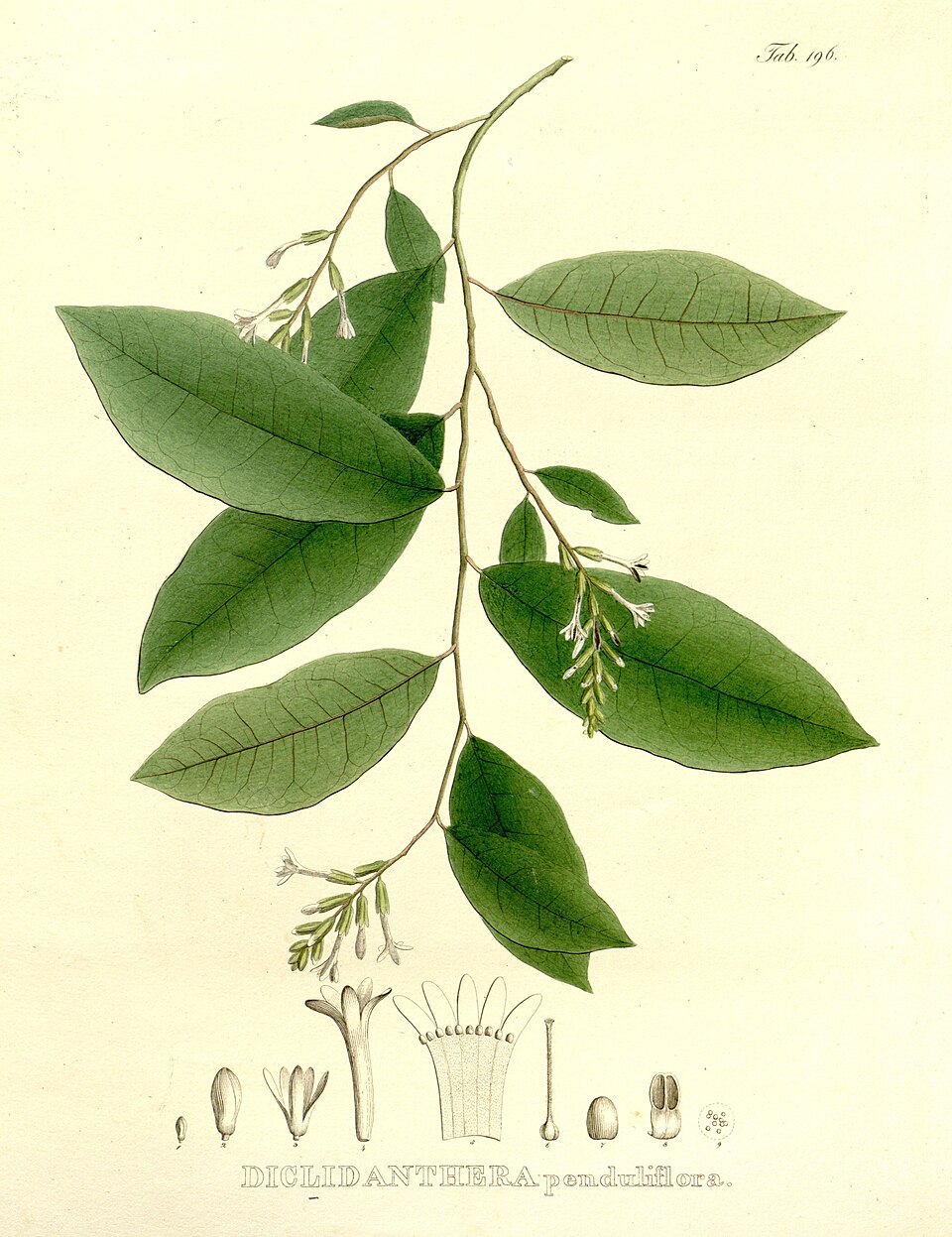
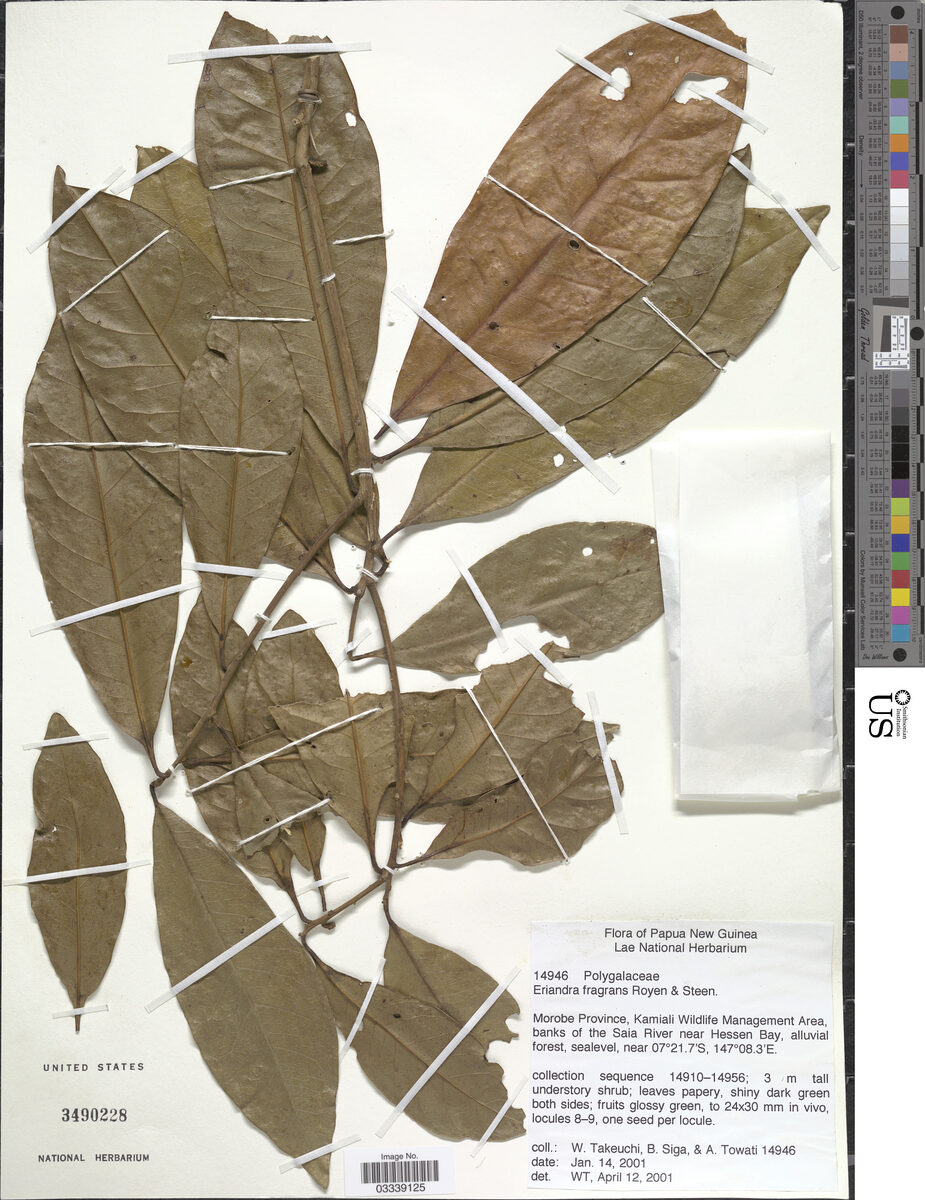
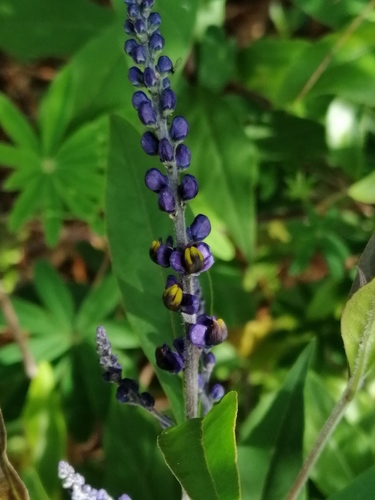
A shrub or small tree. It can be a woody climber. It grows 8 m tall. The leaves are narrowly oval and wedge shaped at the base. The flowers are in hairy groups. They are cream to mauve. The fruit is round and has a rough shell. It is 2-3 cm across. It is edible.
Edible Uses
The fruit is eaten.
Medicinal Uses
Apart from the fruit being edible, the stem, root, and leaves of the plant are used as medicine to treat various illnesses.
Distribution
A tropical plant. It grows in forests and along river banks.
Where It Grows
Africa, Angola, Cameroon, Central Africa, Central African Republic, CAR, Congo DR, Ghana, Guinea, Guinée, Guinea-Bissau, Nigeria, Senegal, Sierra Leone, West Africa,
Production
In Central African Republic flowers have been observed in October.
Synonyms
Also Known As
Bakeserigny, Bontanhe, Budioy, Bukokobaj'in, Fumiton, Jugbay jelee, Natiniate, Ndomai
References (9)
- Abbiw, D.K., 1990, Useful Plants of Ghana. West African uses of wild and cultivated plants. Intermediate Technology Publications and the Royal Botanic Gardens, Kew. p 46
- Bircher, A. G. & Bircher, W. H., 2000, Encyclopedia of Fruit Trees and Edible Flowering Plants in Egypt and the Subtropics. AUC Press. p 48
- Burkill, H. M., 1985, The useful plants of west tropical Africa, Vol. 4. Kew.
- Dalziel, J. M., 1937, The Useful plants of west tropical Africa. Crown Agents for the Colonies London.
- Djihounouck, Y., et al, 2018, Diversité Et Importance Socio-Economique Des Espèces Fruitières Sauvages Comestibles En Zone Kasa (Sud-Ouest Du Sénégal). European Scientific Journal December 2018 edition Vol.14, No.36 ISSN: 1857 – 7881
Show all 9 references Hide references
- Global Plants JSTOR
- Jardin, C., 1970, List of Foods Used In Africa, FAO Nutrition Information Document Series No 2.p 121
- Peters, C. R., O'Brien, E. M., and Drummond, R.B., 1992, Edible Wild plants of Sub-saharan Africa. Kew. p 161
- World Checklist of Useful Plant Species 2020. Royal Botanic Gardens, Kew