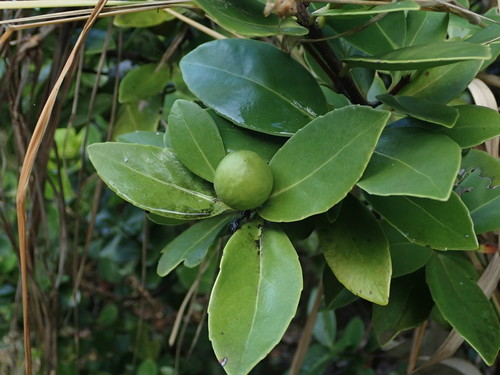
Tontelea micrantha
(Mart.) A.C. Sm.
Bacu Pari, Bacupari
iNaturalist· cc-by-nc
(c) Pedro Igor Monteiro, some rights reserved (CC BY-NC), uploaded by Pedro Igor Monteiro
iNaturalist· cc-by-nc
(c) Pedro Igor Monteiro, some rights reserved (CC BY-NC)
Description
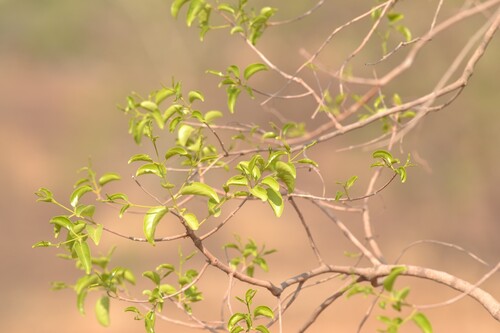
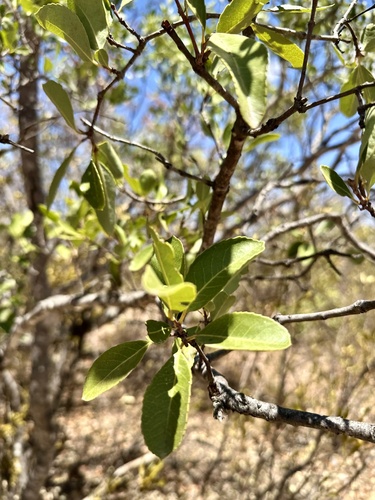
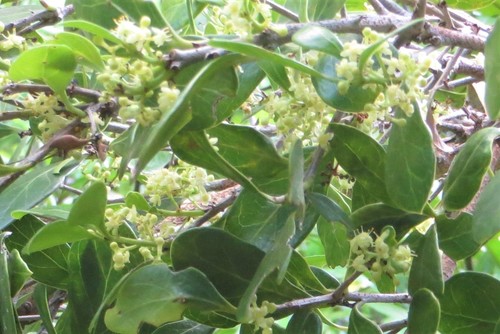
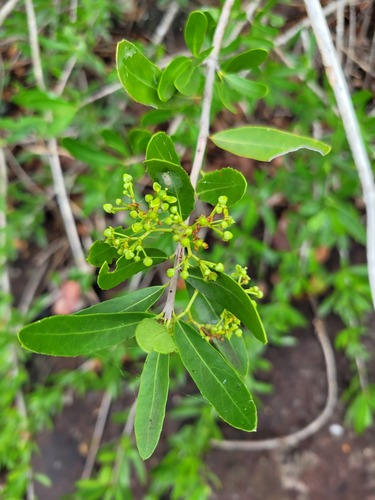
It is an erect woody shrub. It loses some of its leaves during the year. It grows 1-2 m tall. The leaves are leathery and the edges are entire. The leaves are 8-10 cm long. The flowers are small and creamy-white. They are in groups on stalks in the axils of leaves. The fruit are round and turn yellow when ripe. They have 1-3 seeds. There is a slimy pulp around the seeds. This is sweet and edible.
Edible Uses
The ripe fruit are eaten raw, though they are not widely popular because the sweet pulp is difficult to separate from the seeds.
Traditional Uses
The fruit are eaten raw.
This uses section is brief — help expand it
Distribution
A tropical plant. It grows in the scrublands and savannas throughout Brazil.
Where It Grows
Brazil*, South America,
Cultivation
Plants are grown from seed.
Other Information
Because it is hard to separate the pulp from the seeds they are not popular.
Synonyms
Also Known As
Bacupari-do-cerrado, Capicuru-acu, Siputa-do-cerrado
References (3)
- Bortolotto, I. M., et al, 2018, Lista preliminar das plantas alimenticias nativas de Mato Grosso do Sul, Brasil. Iheringia, Serie Botanica, Porto Alegre, 73 (supl.):101-116
- Lorenzi, H., Bacher, L., Lacerda, M. & Sartori, S., 2006, Brazilian Fruits & Cultivated Exotics. Sao Paulo, Instituto Plantarum de Estuados da Flora Ltda. p 117
- www.colecionandofrutas.org