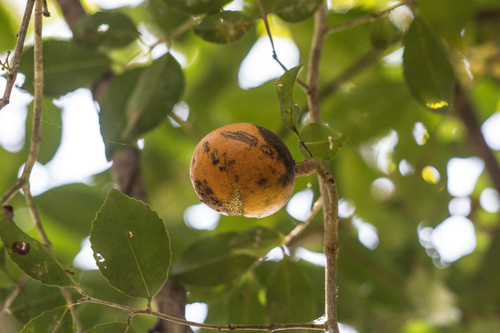
Reissantia grahamii
(Wight) Ding Hou;
Running straggler
iNaturalist· cc-by-nc
(c) Shiwalee Samant, some rights reserved (CC BY-NC), uploaded by Shiwalee Samant
iNaturalist· cc-by-nc
(c) Radha Veach, some rights reserved (CC BY-NC)
Description
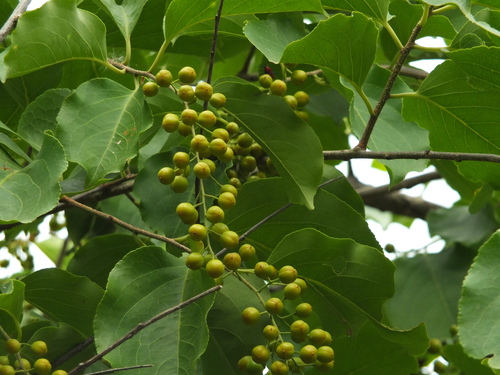
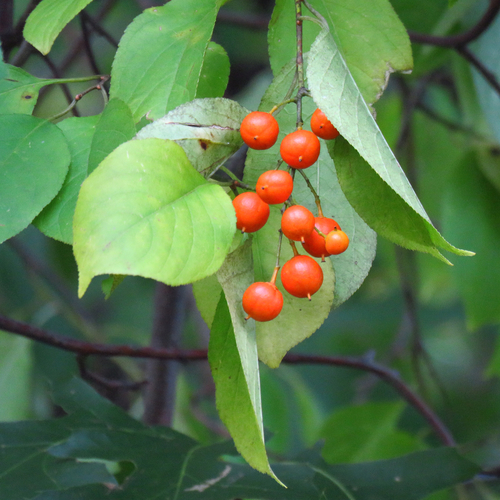
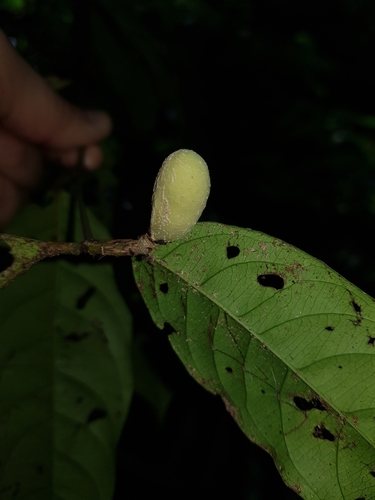
A climbing shrub. It can be 20 m long. The small branches are woody. The leaves are opposite and 8-20 cm long by 5-10 cm wide. They are oblong or oval and wedge shaped or rounded at the base and tapering to the tip. There are many flowers in a group. The group is 10-14 cm long. The flowers are white or pale yellow. The petals are spoon shaped. The fruit are oblong and 9-13 cm long by 4-5 cm wide. The seeds are oval to oblong and 2.5 cm long.
Edible Uses
The seeds are eaten.
Traditional Uses
The seeds are eaten.
This uses section is brief — help expand it
Distribution
It is a tropical plant. It grows in moist deciduous forests in the Ghats. It grows in lowland forests and up to 700 m above sea level.
Where It Grows
Asia, India, Indochina, Indonesia, Malaysia, Myanmar, Papua New Guinea, PNG, Philippines, SE Asia, Thailand,
Production
In south India plants flower and fruit January to May. It can spread rapidly.
Synonyms
Also Known As
Danshir, Daushir, Dhavashi, Lokandi, Lokhandi, Yesti, Zewati
References (4)
- Ambasta S.P. (Ed.), 2000, The Useful Plants of India. CSIR India. p 517
- Flora Malesia
- Hedrick, U.P., 1919, (Ed.), Sturtevant's edible plants of the world. p 346 (As Hippocratea grahamii)
- Menninger, E.A., 1977, Edible Nuts of the World. Horticultural Books. Florida p 117