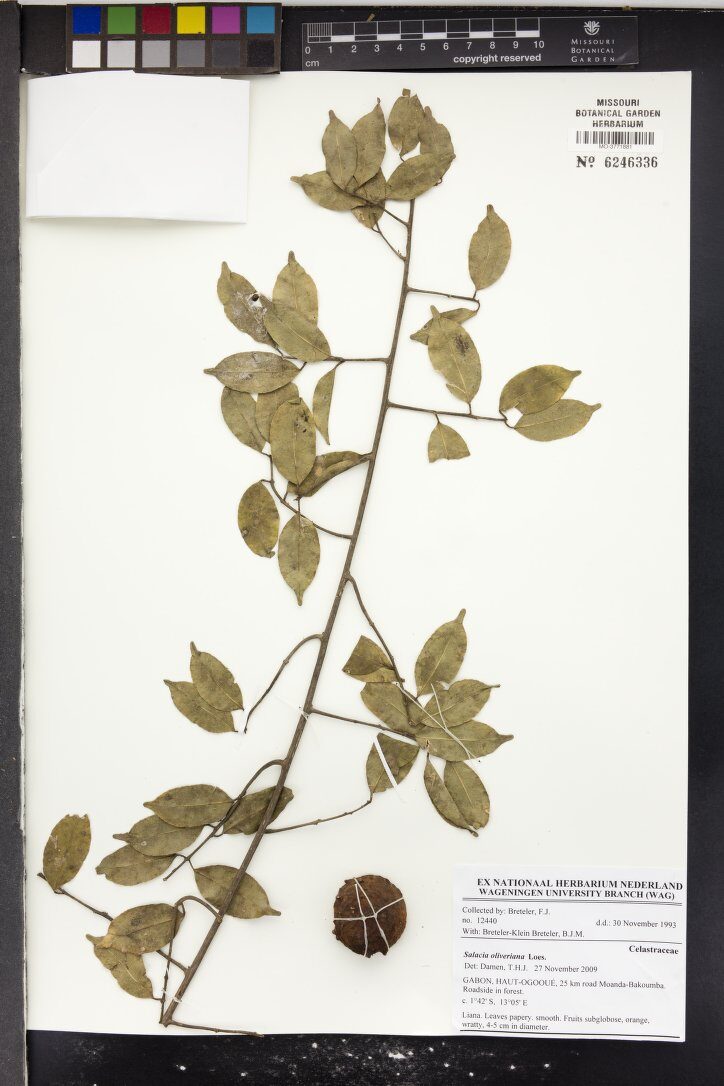
Prionostemma aspera
(Lam.) Miers
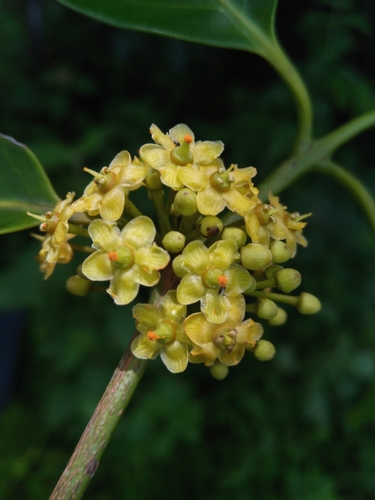
iNaturalist· cc-by-nc
(c) Frederico Acaz Sonntag, some rights reserved (CC BY-NC), uploaded by Frederico Acaz Sonntag
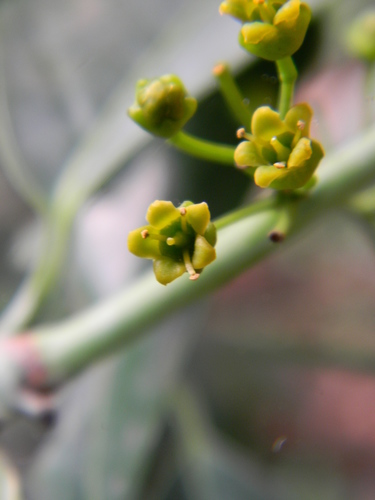
iNaturalist· cc-by-nc
(c) Candida Caicedo Moreno, some rights reserved (CC BY-NC)
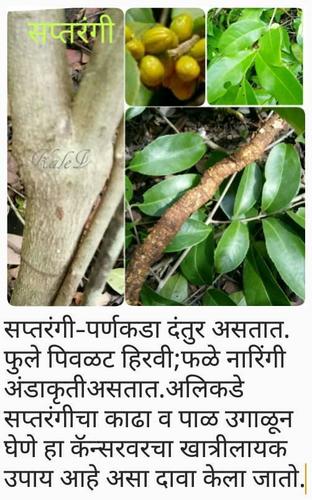
iNaturalist· cc-by-nc
(c) Candida Caicedo Moreno, some rights reserved (CC BY-NC)
Description
A climbing shrub. It can grow 25 m long. The fruit are 55-80 mm long by 40-60 mm wide.
This description is brief — help expand it
Edible Uses
The fruits are eaten raw.
Traditional Uses
The fruit are eaten raw.
This uses section is brief — help expand it
Medicinal Uses
The bark is heated and applied as a poultice to serious burns. It is believed to soothe the pain and to accelerate healing. An exudate from the bark is applied as a healing poultice to cuts and external wounds, and is used as a topical treatment for skin rash.
Distribution
A tropical plant. It occurs at about 500 m above sea level.
Where It Grows
Bolivia, Brazil, Caribbean, Costa Rica, Colombia, Ecuador, Guiana, Guianas, Guyana, Mexico, Panama, South America, Suriname, Trinidad, Venezuela,