Sandoricum borneense
Miq.
Santol kepas
wikimedia· cc-by-sa
Wikimedia Commons (via Wikimedia Commons)
Summary
Source: WikipediaSandoricum borneense is a tree in the family Meliaceae. It is named for Borneo.
Description
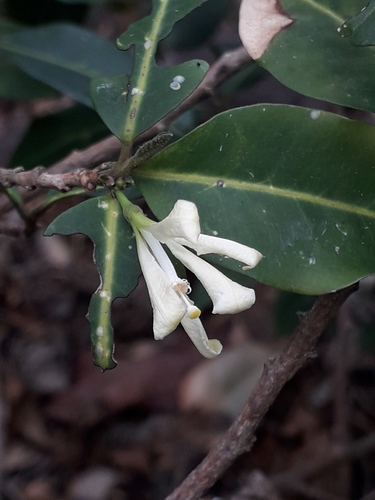
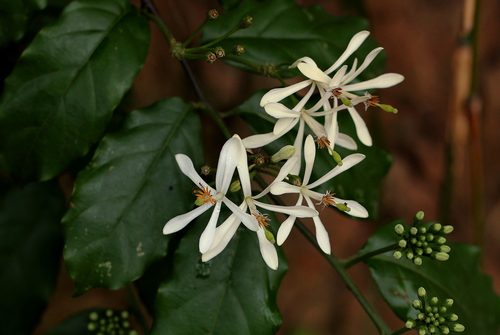
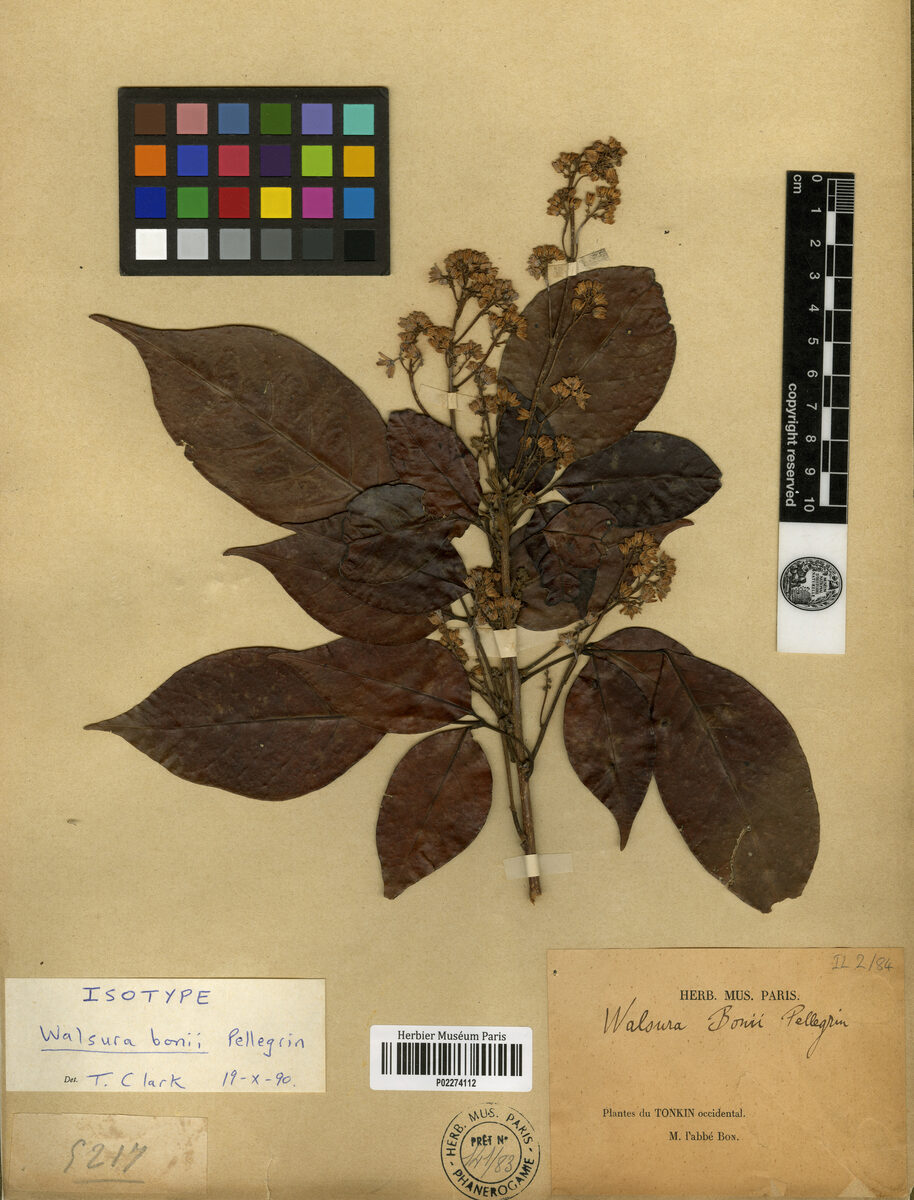
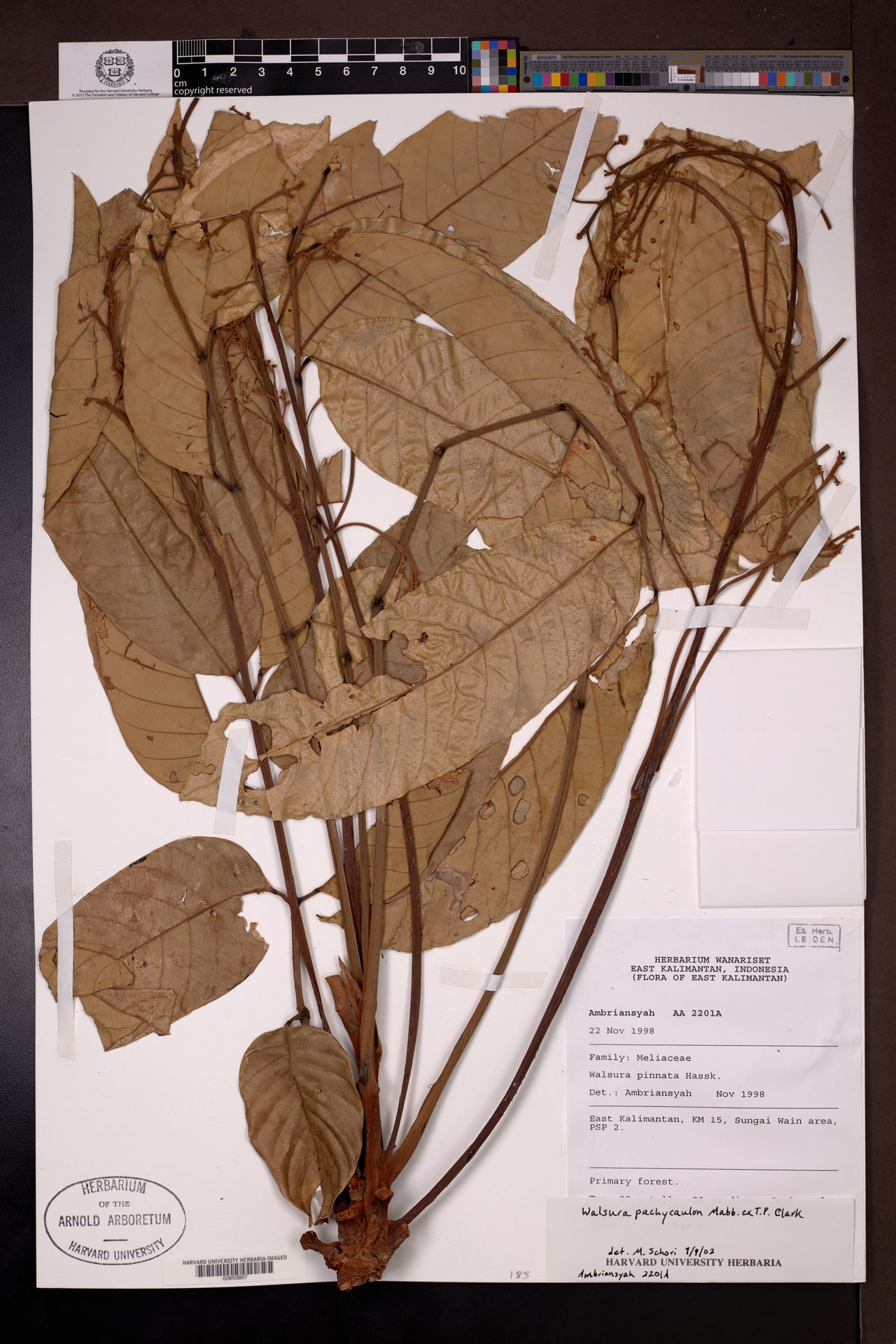
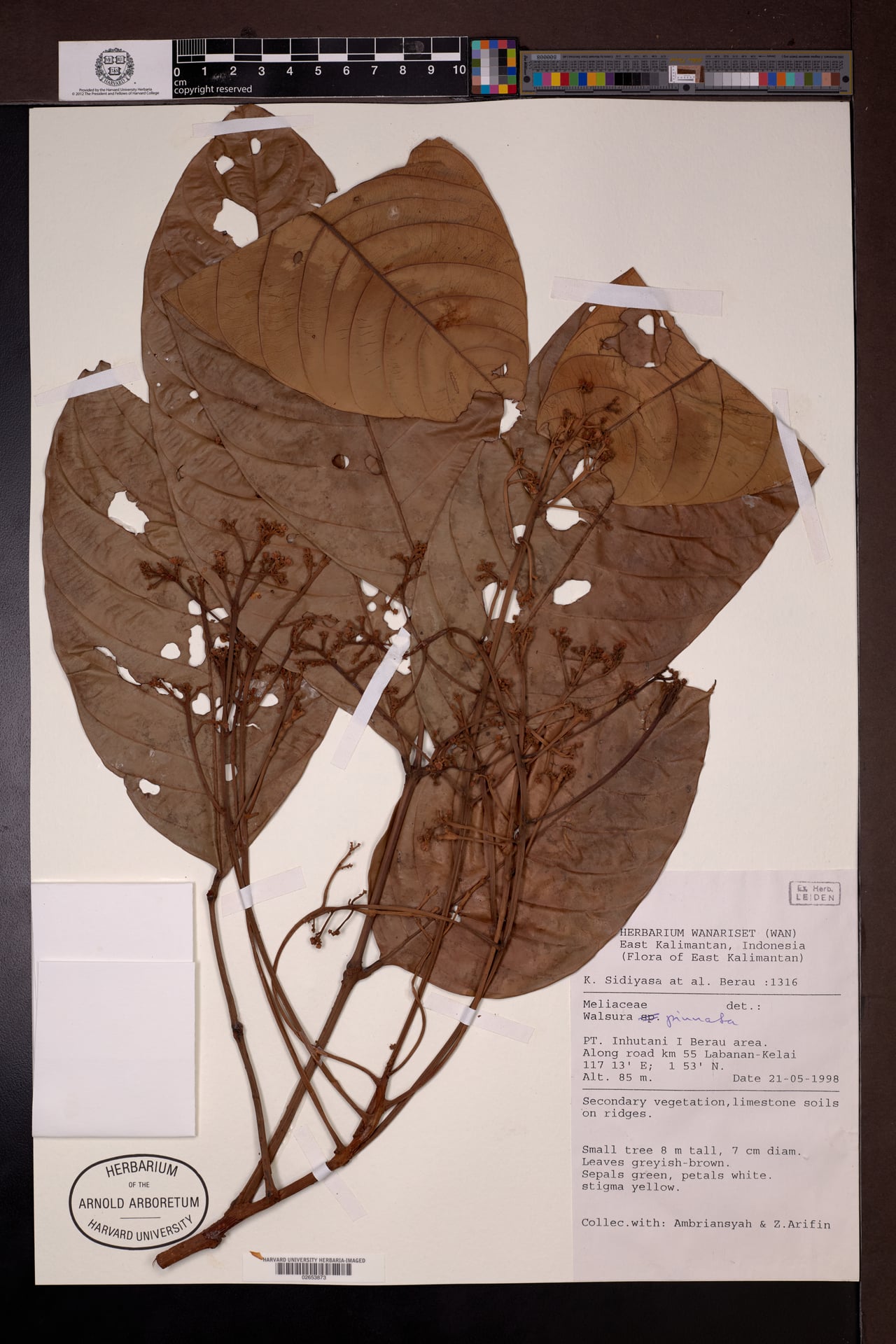
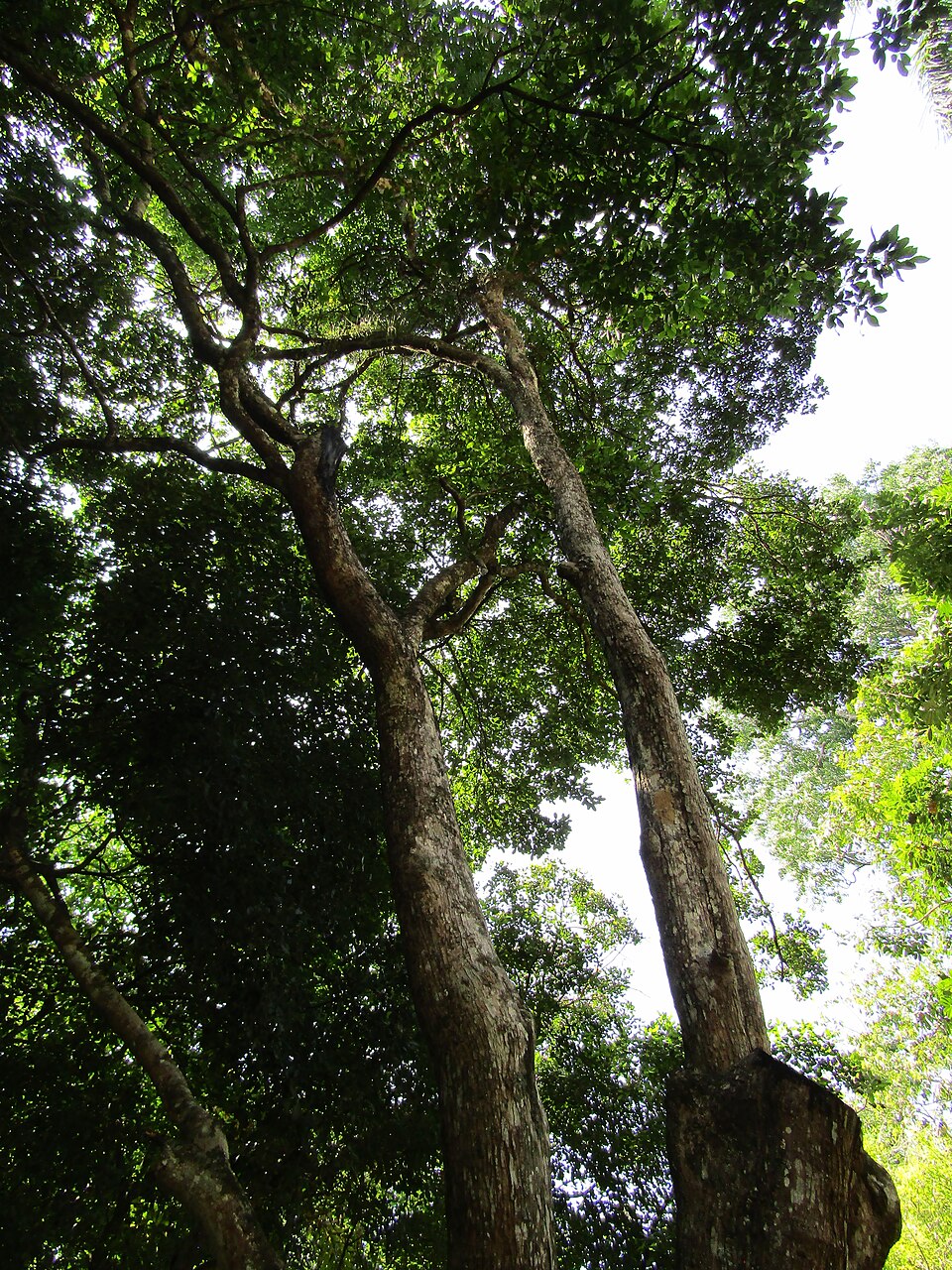
A tree. It grows 20-45 m high. The trunk is 60 cm across. It does not have buttresses. The bark is smooth. The leaves are compound. They are 22-38 cm long. The leaflets are 8-22 cm long by 3.5-8.5 cm wide. The end leaflet is not much larger than the others. The leaflets are sword shaped and taper to the tip. The leaflets do not have hairs. The flowering cluster is 10-16 cm long. The flowers have a scent. The fruit are almost round or pear shaped and yellow-brown to orange. They are edible.
Edible Uses
The fruits are eaten raw.
Traditional Uses
The fruit are eaten raw.
This uses section is brief — help expand it
Medicinal Uses
The fruits are traditionally eaten fresh and noted for their edible properties.
Distribution
A tropical plant. It grows along river banks but not in swamp forests. It grows up to 100 m above sea level.
Where It Grows
Asia, Indonesia*, Malaysia, Papua New Guinea, PNG, Philippines, Sarawak, SE Asia,
Cultivation
Plants can be grown from seeds.
Notes
There are 5 Sandoricum species. They are found in SE Asia. The fruit is edible. An unresolved name in The Plant List.
Also Known As
Kelampu ai, Pohon sentul kapas
References (6)
- Altschul, S.V.R., 1973, Drugs and Foods from Little-known Plants. Notes in Harvard University Herbaria. Harvard Univ. Press. Massachusetts. no. 2011
- Argent, G et al, nd, Manual of the Larger and More important non Dipterocarp Trees of Central Kalimantan Indonesia. Volume 2 Forest Research Institute, Samarinda, Indonesia. p 422
- Chai, P. P. K. (Ed), et al, 2000, A checklist of Flora, Fauna, Food and Medicinal Plants. Lanjak Entimau Wildlife Sanctuary, Sarawak. Forestry Malaysia & ITTO. p 168
- Flora Malesia
- Siong, K. H., 2003, Indigenous Fruits of Sarawak. Forest Department Sarawak. p 88
Show all 6 references Hide references
- Sukarya, D. G., (Ed.) 2013, 3,500 Plant Species of the Botanic Gardens of Indonesia. LIPI p 493