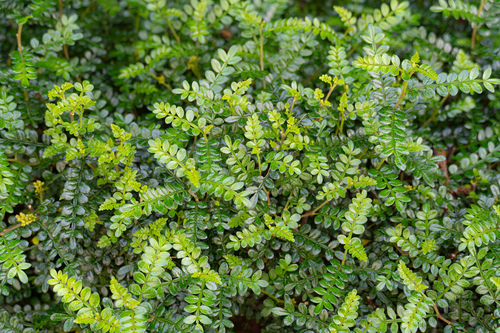
Glycosmis cochinchinensis
(Lour.) Pierre ex Engl.
Cochinchina pinkberry
iNaturalist· cc-by-nc
(c) 江国彬, some rights reserved (CC BY-NC), uploaded by 江国彬
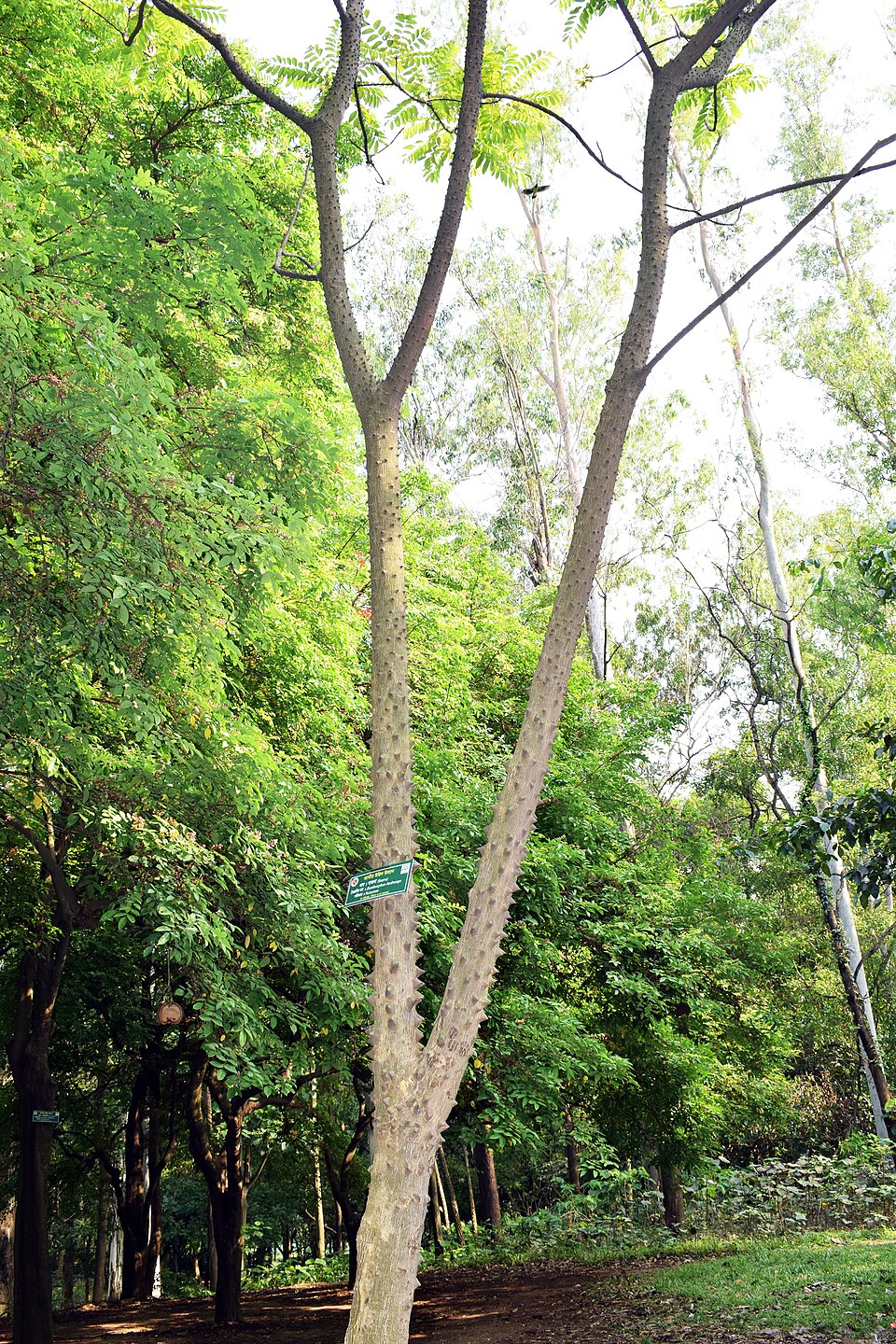
iNaturalist· cc-by-nc
(c) 江国彬, some rights reserved (CC BY-NC)
Summary
Source: WikipediaGlycosmis cochinchinensis is a species of tree in the family Rutaceae. It is native to Cambodia, South-Central and Southeast China, Hainan, Laos, Myanmar, Thailand, and Vietnam. It was first described by João de Loureiro in 1790 as Toluifera cochinchinensis. Adolf Engler transferred it to the genus Glycosmis in 1896. The combination Buchanania cochinchinensis was published in 1996, and has been misapplied by some sources to refer to Buchanania lanzan.
Description
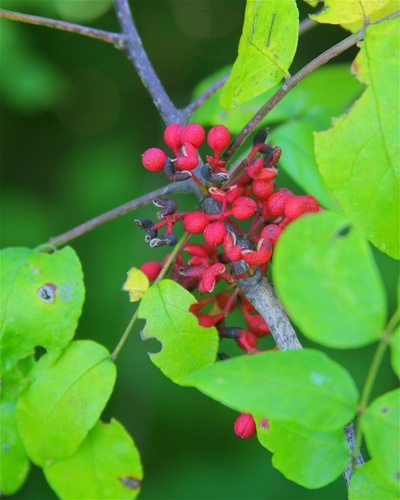
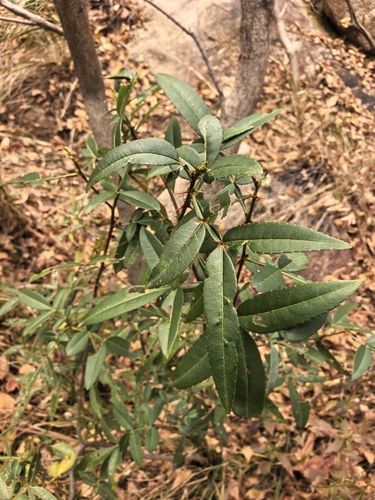
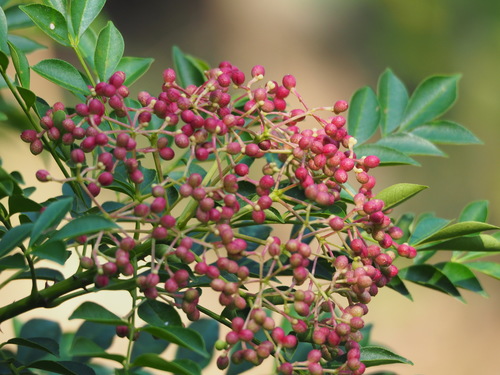
A shrub or small tree. It grows 1-4 m tall. The leaves are usually simple. The leaf blade is broadly oval and 4-26 cm long by 2-8 cm wide. The flowers are in groups in the axils of leaves. They are white. The fruit are pink to red. They are 0.8-1.4 cm across.
Edible Uses
The pink to red fruits are eaten.
Distribution
A tropical plant. In south China it grows below 1,000 m above sea level. It grows in rainforests. In Yunnan.
Where It Grows
Asia, Cambodia, China, Hainan, India, Indochina, Indonesia, Laos, Myanmar, SE Asia, Thailand, Vietnam,
Cultivation
Plants can be grown from seeds.
Production
It flowers and fruits throughout the year.
Notes
There are about 60 Glycosmis species.
Also Known As
Parithangi, Pohon gongseng, Shan Gut Shu, Tarop, Tarub, Tim to
References (6)
- Altschul, S.V.R., 1973, Drugs and Foods from Little-known Plants. Notes in Harvard University Herbaria. Harvard Univ. Press. Massachusetts. no. 1927
- H. G. A. Engler & K. A. E. Prantl, Nat. Pflanzenfam. 3(4):185. 1896
- Kahlon, L. K. & Singh, R., 2019, Traditional knowledge & Dynamics of edible plants of primitive tribal group ‘Paudi Bhuyan’ with changing demography migration patterns in Northern Odisha. Indian Journal of Traditional Knowledge Vol 18(1), pp 7-15
- Reis, S. V. and Lipp, F. L., 1982, New Plant Sources for Drugs and Foods from the New York Botanical Garden herbarium. Harvard. p 144
- Sivakumar, A. & Murugesan, M., 2005, Ethnobotanical Studies of the wild edible plants used by the tribals of the Anaimalai Hills, the Western Ghats. Ancient Science of Life. XXV(2) Oct-Dec.
Show all 6 references Hide references
- Sukarya, D. G., (Ed.) 2013, 3,500 Plant Species of the Botanic Gardens of Indonesia. LIPI p 308