Rosa gallica var. officinalis
Thory
Apothecary's rose, French rose, Rose de Provence
iNaturalist· cc-by-nc
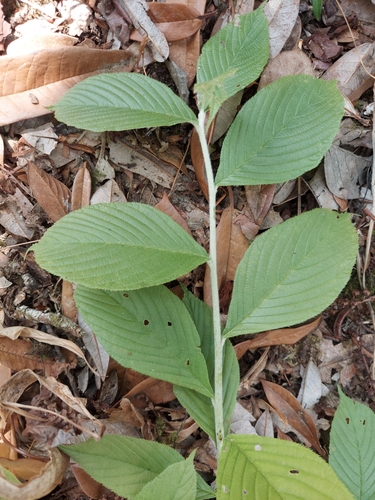
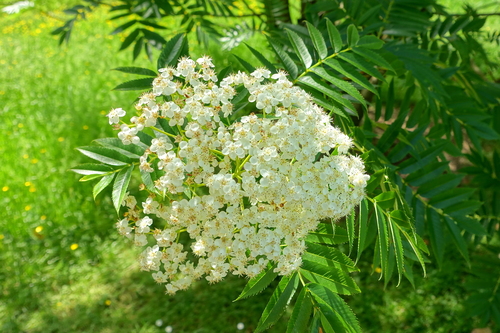
(c) Oleksandr Shynder, some rights reserved (CC BY-NC)
iNaturalist· cc-by-nc
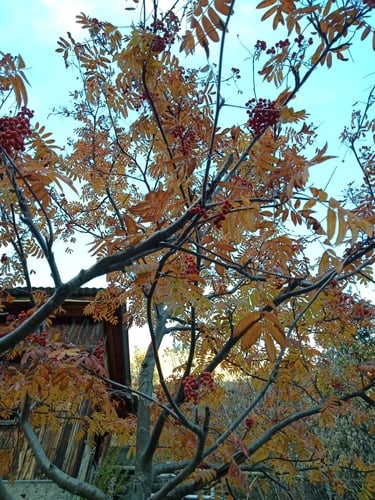
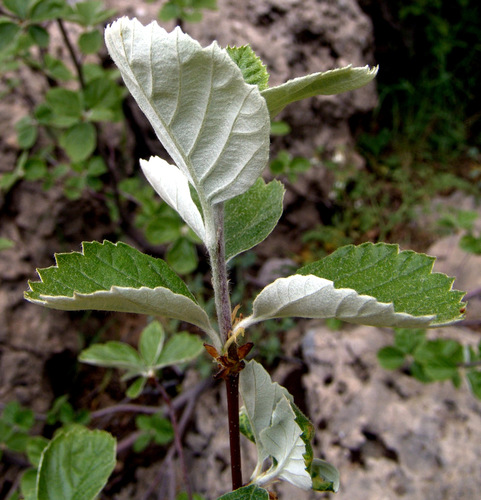
(c) Marcin Scelina, some rights reserved (CC BY-NC)
iNaturalist· cc-by-nc
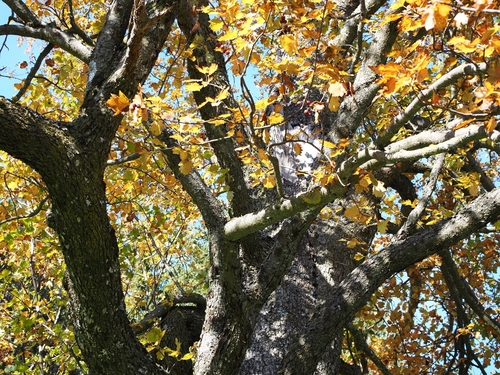
(c) Marcin Scelina, some rights reserved (CC BY-NC)
Summary
Source: WikipediaRosa gallica, the Gallic rose, French rose, or rose of Provins, is a species of flowering plant in the rose family, native to southern and central Europe eastwards to Turkey and the Caucasus. Rosa gallica was one of the first species of rose to be cultivated in central Europe. It is a parent of several important cultivars.
Description
A prickly shrub up to 1.5 m high. It is a dense bush which spreads by suckers. Leaves are oval and leathery. The flowers are crimson and have a double ring of petals. The fruit are dull red hips.
Edible Uses
The rosehips are used in jellies, syrups, and liqueurs. The petals flavor vinegar and can be crystallized as a sweet.
Traditional Uses
Rosehips are used in jellies, syrups and liqueurs. Petals are used to flavour vinegar and can be crystallised and used as a sweet.
This uses section is brief — help expand it
Medicinal Uses
The plant has traditional uses, though specific medicinal applications are not detailed in the available data.
Distribution
It is a temperate plant. It suits cool climates. It can grow in warm and arid areas. It needs full sunlight. It needs a well drained soil. It suits hardiness zones 5-10.
Where It Grows
Australia, Canada, Europe, France, North America, Tasmania,
Cultivation
Plants can be grown from seed. They can also be grown from suckers. Each sucker should have its own roots. Hardwood cuttings 20 cm long can be used. It does not need annual pruning. Plants can be cut back to ground level in winter or when dormant to rejuvenate bushes.
Production
Rosehips are harvested in autumn when fully ripe. Flowers can be picked and used immediately.
Notes
There are about 150 Rosa species and many cultivated varieties.
References (9)
- Bianchini, F., Corbetta, F., and Pistoia, M., 1975, Fruits of the Earth. Cassell. p 136
- Bremness, L., 1994, Herbs. Collins Eyewitness Handbooks. Harper Collins. p 121
- Burnie, G & Fenton-Smith, J., 1999, A Grower's Guide to Herbs. Murdoch Books. p 11
- Cundall, P., (ed.), 2004, Gardening Australia: flora: the gardener's bible. ABC Books. p 1215
- Facciola, S., 1998, Cornucopia 2: a Source Book of Edible Plants. Kampong Publications, p 207 (As Rosa gallica)
Show all 9 references Hide references
- Hibbert, M., 2002, The Aussie Plant Finder 2002, Florilegium. p 262
- Kremer, B.P., 1995, Shrubs in the Wild and in Gardens. Barrons. p 177
- P. J. Redoute, Roses 1:73, t. 146. 1818
- van Wyk, B., 2005, Food Plants of the World. An illustrated guide. Timber press. p 325