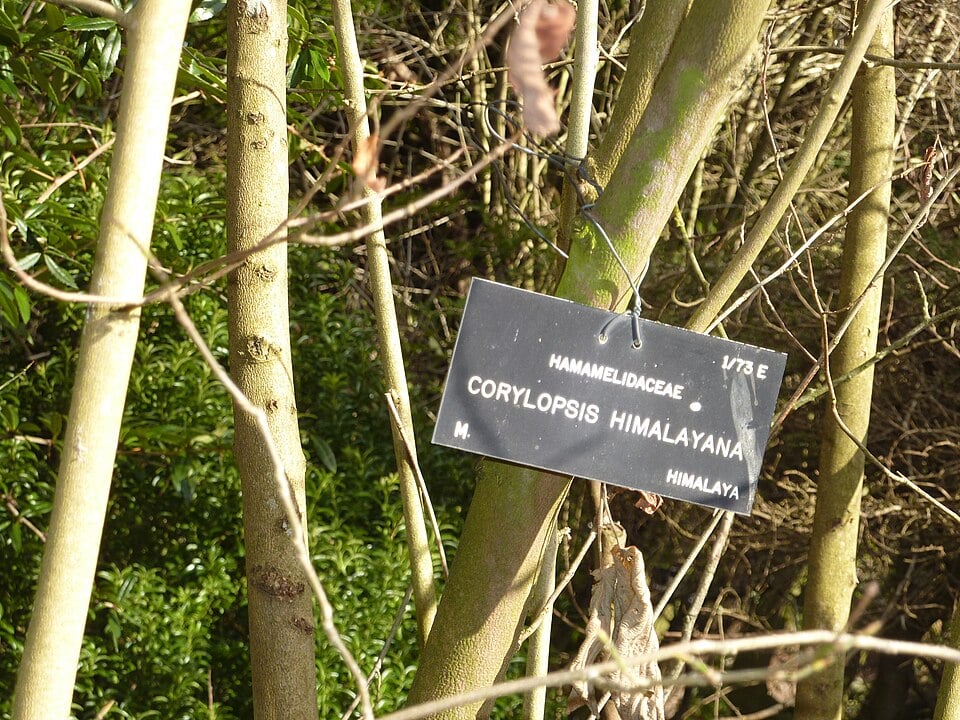
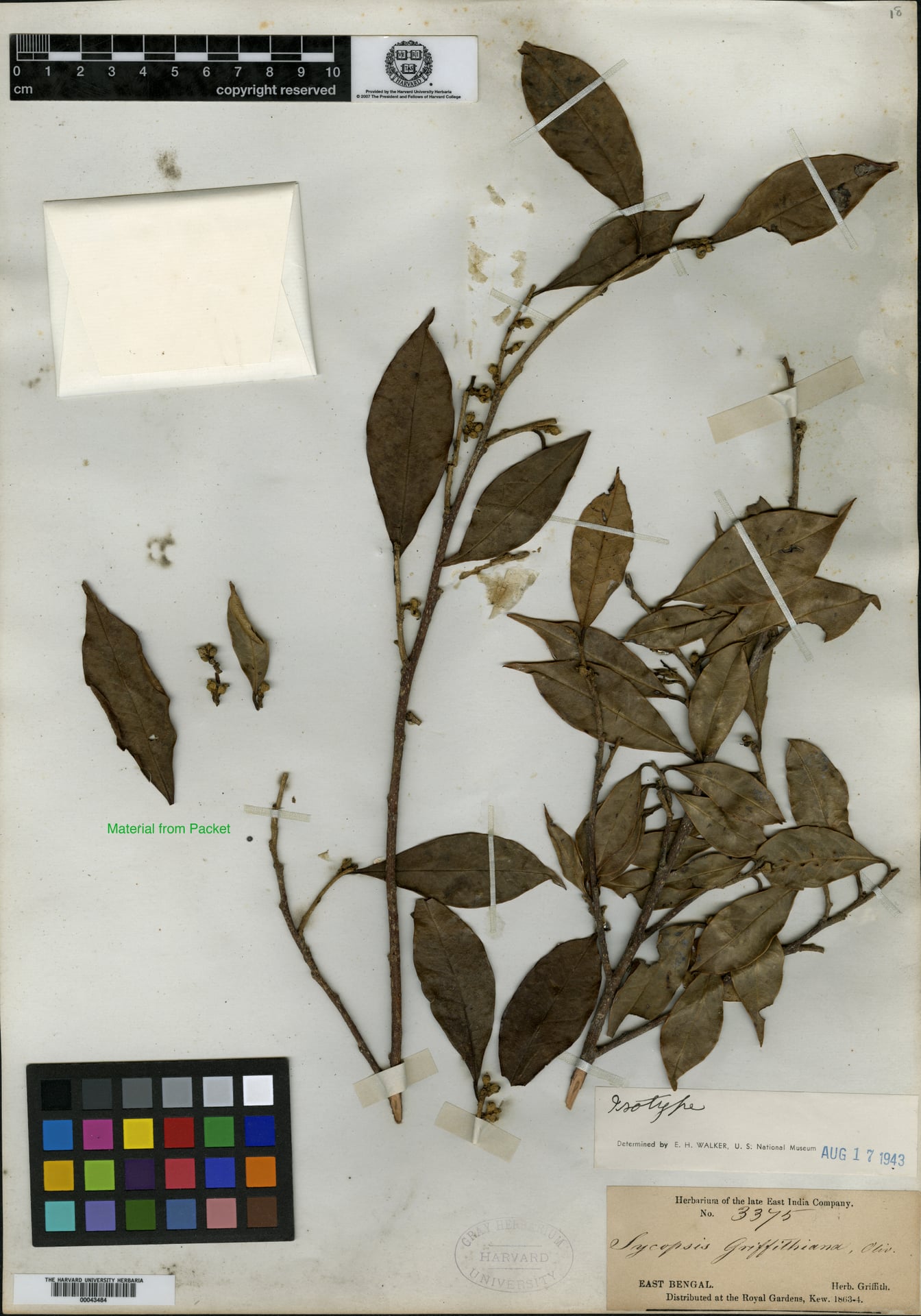
Corylopsis himalayana var. griffithii
(Hemsl.) B. D. Morley & J. M. Chao
Buttercup witch hazel
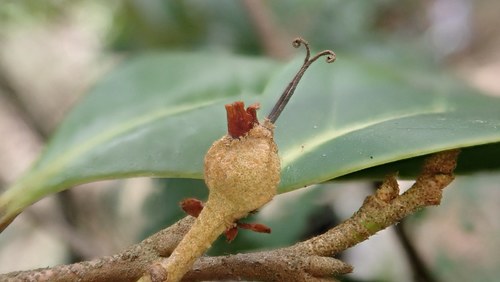
iNaturalist· cc-by-nc
(c) Phuentsho, some rights reserved (CC BY-NC), uploaded by Phuentsho
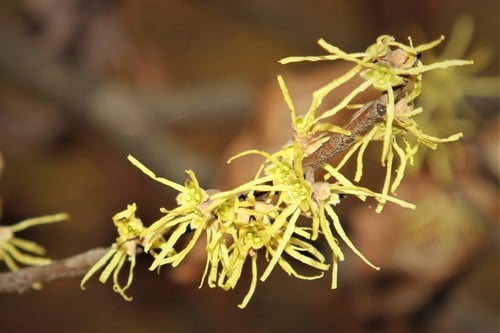
iNaturalist· cc-by-nc
(c) Phuentsho, some rights reserved (CC BY-NC), uploaded by Phuentsho
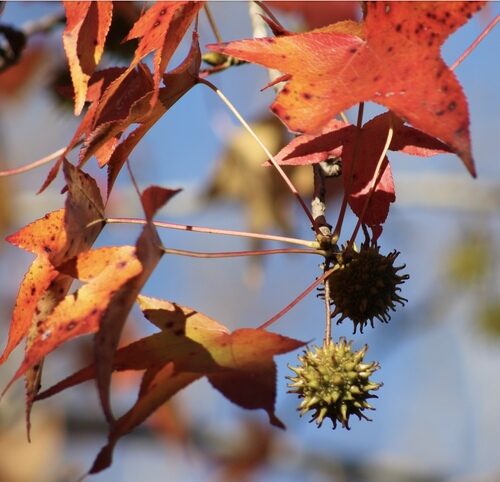
wikimedia· cc-by-sa
Wikimedia Commons - Krzysztof Ziarnek, Kenraiz
Description
A shrub. It loses its leaves. It grows 3 m high and spreads 2 m wide. The stem is erect and slender. The leaves are egg shaped and have blunt teeth. The flowers are yellow and fragrant. They are cup shaped. The fruit are woody capsules. There are 2 shiny black seeds.
Edible Uses
The flowers are edible.
Distribution
It grows best in light shade and with an acid soil. The soil should be well-drained, moist and fertile.
Where It Grows
Asia*, Australia, India,
Cultivation
Plants can be grown from seed, cuttings or layering. The layers need to stay 2 years before removing them from the parent plant.
Notes
There are about 7 Corylopsis species. They grow in Asia between Bhutan and Japan.
Synonyms
References (3)
- Altschul, S.V.R., 1973, Drugs and Foods from Little-known Plants. Notes in Harvard University Herbaria. Harvard Univ. Press. Massachusetts. no. 1388 (As Corylopsis griffithii)
- Bodkin, F., 1991, Encyclopedia Botanica. Cornstalk publishing, p 286 (As Corylopsis griffithii)
- Heywood, V.H., Brummitt, R.K., Culham, A., and Seberg, O. 2007, Flowering Plant Families of the World. Royal Botanical Gardens, Kew. p 163 (As Corylopsis griffithii)