Schisandra sphenanthera
Rehder & E. H. Wilson
iNaturalist· cc-by-nc
(c) 师傅, some rights reserved (CC BY-NC)
iNaturalist· cc-by-nc
(c) 师傅, some rights reserved (CC BY-NC)
iNaturalist· cc-by-nc
(c) Guanning Liu, some rights reserved (CC BY-NC)
Summary
Source: WikipediaA deciduous climbing vine growing at a medium rate to 7 m in height. Hardy to UK zone 7 and not frost tender. Flowers appear April to May with seeds ripening July to September. Dioecious species requiring both male and female plants for seed production. Tolerates light sandy, medium loamy, and heavy clay soils with good drainage. Grows in full shade to semi-shade and prefers moist conditions across a range of soil pH levels from mildly acidic to mildly alkaline.
Description
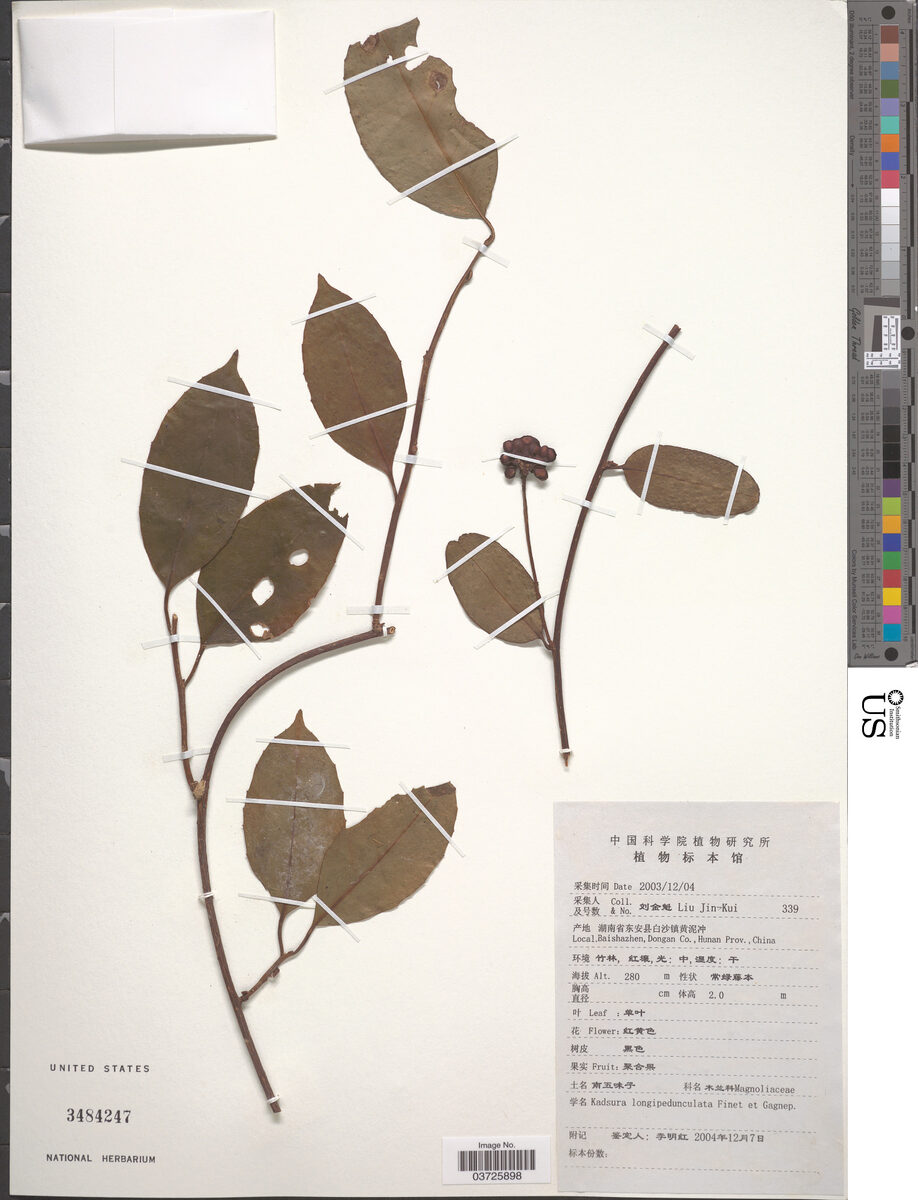
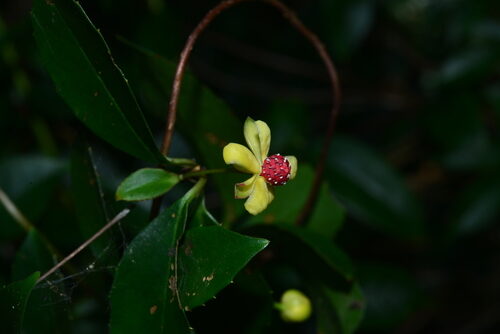
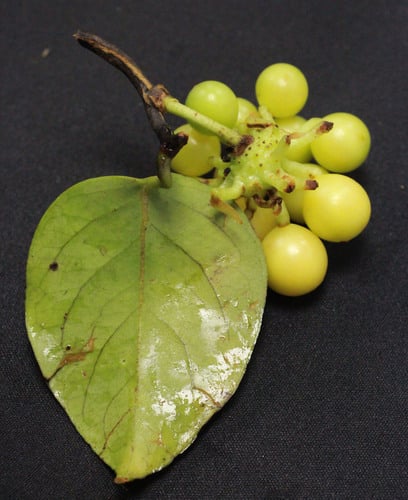
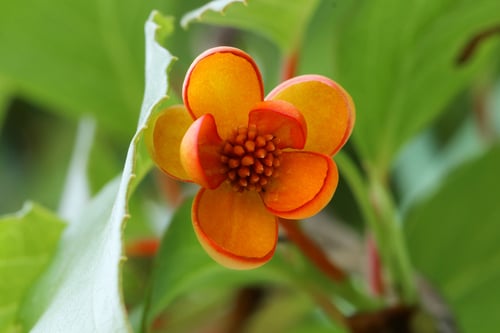
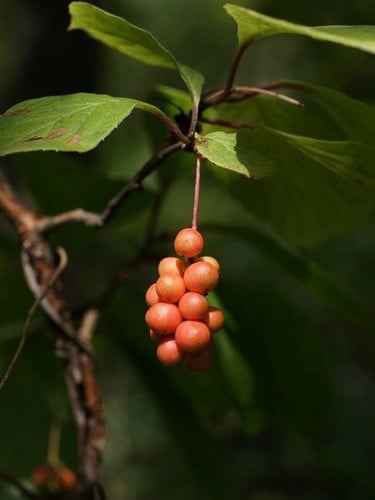
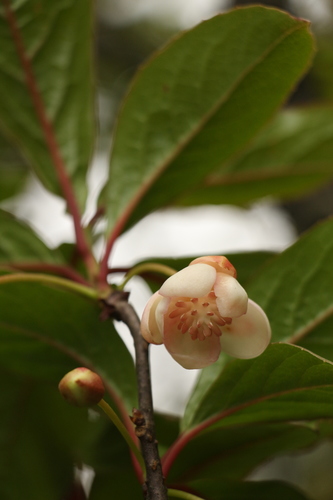
A woody climber. It grows 4.5-6 m long and spreads 6 m wide. The leaves are 12 cm long. The flowers are orange and droop. They are 18 mm across. The male and female flowers are on separate plants. The fruit on female plants are red berries.
Edible Uses
The fruit can be eaten raw or cooked, though no species-specific information is available — it is considered quite probably edible based on the genus.
Traditional Uses
The fruit are eaten. They are also used for wine and vinegar production.
This uses section is brief — help expand it
Medicinal Uses
This species is used for similar medicinal purposes in southern China as S. chinensis. Wu Wei Zi is a cornerstone herb in Chinese medicine, listed among the 50 fundamental herbs, and is regarded as an excellent tonic and restorative that supports wellbeing during stressful times. It is considered a substitute for ginseng and a tonic for both male and female sex organs. The fruit is antitussive, aphrodisiac, hepatic, astringent, cardiotonic, cholagogue, expectorant, hypotensive, lenitive, nervine, pectoral, sedative, stimulant and tonic. Low doses are said to stimulate the central nervous system while large doses depress it, and the fruit also helps regulate the cardiovascular system. It is taken internally for dry coughs, asthma, night sweats, urinary disorders, involuntary ejaculation, chronic diarrhoea, palpitations, insomnia, poor memory, hyperacidity, hepatitis and diabetes, and is applied externally to irritating and allergic skin conditions. The fruit is harvested after the first frosts and sun-dried. Its lignan content provides a pronounced protective action on the liver; one clinical trial achieved a 76% success rate in treating hepatitis with no observed side effects. The seed is used in treating cancer. The plant is antirheumatic, and a mucilaginous decoction of the branches is used for coughs, dysentery and gonorrhoea.
Distribution
It is a temperate plant. It grows in forests between 700-2,000 m above sea level. It suits hardiness zones 7-10. In Sichuan and Yunnan.
Where It Grows
Asia, Australia, China,
Cultivation
Prefers a rich well-drained moisture retentive soil. Prefers a slightly acid soil but tolerates some alkalinity if plenty of organic matter is added to the soil. Requires some protection from the most intense sunlight. Plants are intolerant of drought. This species is hardy to about -7°c. It will succeed outdoors in the milder areas of Britain if given the protection of a woodland or a south or west-facing wall. The young growth in spring can be damaged by late frosts. Plants climb by twining around supports. Any pruning is best carried out in the spring. Dioecious. Male and female plants must be grown if seed is required.
Propagation
Seed is best sown in autumn in a cold frame. Stored seed should be pre-soaked for 12 hours in warm water before sowing in a greenhouse in spring. Germination can be slow and erratic. Prick out seedlings into individual pots when large enough to handle and grow on in light shade in the greenhouse for their first two years before planting out in early summer. Cuttings of half-ripe wood, 5–8cm with a heel, taken in August and rooted in a frame give a good success rate; overwinter in the greenhouse and plant out in late spring. Long shoots can also be layered in autumn.
Other Uses
None known Special Uses
Notes
There are about 25 Schisandra species.
Also Known As
Wuweizi
References (6)
- Altschul, S.V.R., 1973, Drugs and Foods from Little-known Plants. Notes in Harvard University Herbaria. Harvard Univ. Press. Massachusetts. no. 1016
- Cundall, P., (ed.), 2004, Gardening Australia: flora: the gardener's bible. ABC Books. p 1323
- Kang, Y., et al, 2012, Wild food plants and wild edible fungi in two valleys on the Qinling Mountains (Shaanxi, central China) Journal of Ethnobiology and Ethnomedicine; 9:26
- Kang, Y., et al, 2014, Wild food plants used by the Tibetans of Gongba Valley (Zouqu country, Gansu, China) Journal of Ethnobiology and Ethnomedicine 10:20
- C. S. Sargent, Pl. wilson. 1:414. 1913
Show all 6 references Hide references
- www.efloras.org Flora of China. Volume 7