Ficus pertusa
L. f.
Perforated fig
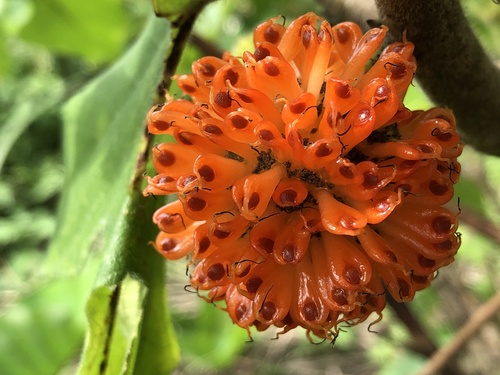
iNaturalist· cc-by
(c) Neptalí Ramírez Marcial, some rights reserved (CC BY), uploaded by Neptalí Ramírez Marcial
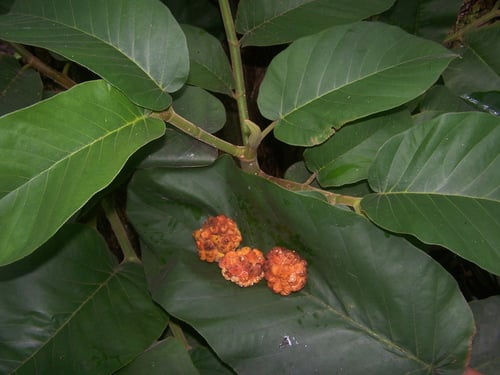
iNaturalist· cc-by-nc
(c) Luis Humberto Vicente-Rivera, some rights reserved (CC BY-NC)
iNaturalist· cc-by-nc
(c) Luis Humberto Vicente-Rivera, some rights reserved (CC BY-NC)
Summary
Source: WikipediaFicus pertusa is a species of tree in the family Moraceae. It is found in Mexico and Central and South America.
Description
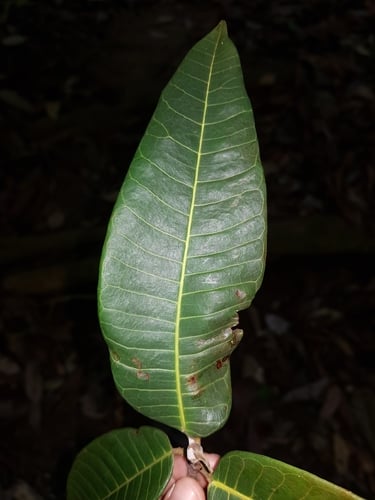
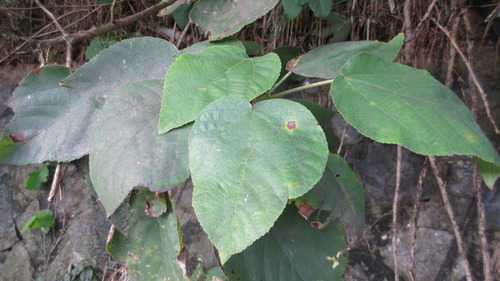
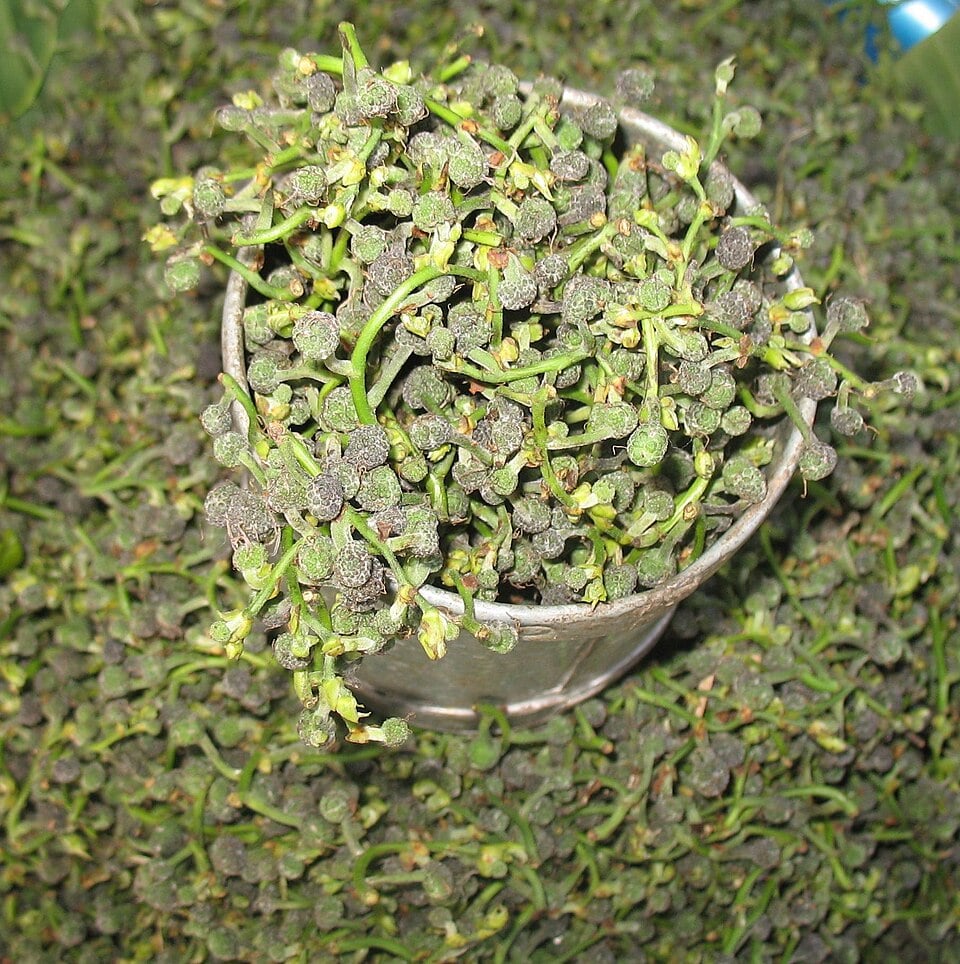
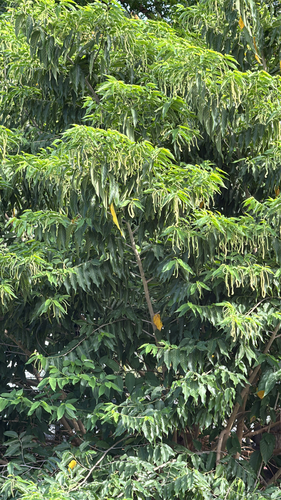
A fig. It is a tree. It grows to 10 m high. The leaves are alternate and smooth. They are 7-9 cm long by 3-4 cm wide. The flowers are in the axils of leaves. The fruit are reddish-brown figs.
Edible Uses
The fruits are eaten raw and sold in local markets.
Traditional Uses
The fruit are eaten raw.
This uses section is brief — help expand it
Medicinal Uses
The latex is used as a vermifuge. The latex is spread on the skin to relieve itching due probably to fungal infections. A decoction of the root bark is used to treat fevers.
Distribution
A tropical plant.
Where It Grows
Africa, Belize, Bolivia, Brazil, Central America, Columbia, Costa Rica, Dominican Republic, El Salvador, Guatemala, Guiana, Guianas, Guyana, Honduras, Madagascar, Mexico, Nicaragua, North America, Panama, Paraguay, Peru, Puerto Rico, South America, Suriname, Venezuela, West Indies,
Cultivation
Prefers a sunny position in a well-drained soil. Young plants have a moderate rate of growth. Fig trees have a unique form of fertilization, each species relying on a single, highly specialized species of wasp that is itself totaly dependant upon that fig species in order to breed. The trees produce three types of flower; male, a long-styled female and a short-styled female flower, often called the gall flower. All three types of flower are contained within the structure we usually think of as the fruit. The female fig wasp enters a fig and lays its eggs on the short styled female flowers while pollinating the long styled female flowers. Wingless male fig wasps emerge first, inseminate the emerging females and then bore exit tunnels out of the fig for the winged females. Females emerge, collect pollen from the male flowers and fly off in search of figs whose female flowers are receptive. In order to support a population of its pollinator, individuals of a Ficus spp. must flower asynchronously. A population must exceed a critical minimum size to ensure that at any time of the year at least some plants have overlap of emmission and reception of fig wasps. Without this temporal overlap the short-lived pollinator wasps will go locally extinct.
Propagation
Seed - best sown as soon as it is ripe in a partially shaded position in a nursery seedbed. The seed is very small and an easy way of obtaining it from the tree is to collect the fruits and place them in a plastic bag then leave them until the fruit is partially decomposed. Then mix the fruit with some water to make a suspension of seeds and pulp - this suspension can be sown directly onto the seedbed. A low germination rate can be expected, with the seed sprouting within 30 - 50 days.
Other Uses
The creamy yellow to pale pinkish-brown becomes dark grey upon exposure due to stain. It is coarse-textured, straight-grained, light in weight but firm, easy to cut, not durable and very susceptible to termites. Of low quality, it is only used for purposes such as door fillings, troughs and boxes.
Other Information
Fruit are sold in local markets.
Notes
There are about 800-1000 Ficus species. They are mostly in the tropics. There are 120 Ficus species in tropical America.
Synonyms
Also Known As
Aguemome, Amate, Bibosi palomo, Emoqui, Fiuerinha, Guapoemi, Guapoi, Higo, Kisini, Matapalo, Mutumutu, Nauti gui, Renaco
References (14)
- Altschul, S.V.R., 1973, Drugs and Foods from Little-known Plants. Notes in Harvard University Herbaria. Harvard Univ. Press. Massachusetts. no. 707
- Bortolotto, I. M., et al, 2018, Lista preliminar das plantas alimenticias nativas de Mato Grosso do Sul, Brasil. Iheringia, Serie Botanica, Porto Alegre, 73 (supl.):101-116
- Fouqué, A. 1972. Espèces fruitières d'Amérique tropicale. Institut français de recherches fruitierès outre-mer
- Grandtner, M. M., 2008, World Dictionary of Trees. Wood and Forest Science Department. Laval University, Quebec, Qc Canada. (Internet database http://www.wdt.qc.ca)
- Grandtner, M. M. & Chevrette, J., 2013, Dictionary of Trees, Volume 2: South America: Nomenclature, Taxonomy and Ecology. Academic Press p 256
Show all 14 references Hide references
- Kermath, B. M., et al, 2014, Food Plants in the Americas: A survey of the domesticated, cultivated and wild plants used for Human food in North, Central and South America and the Caribbean. On line draft. p 371
- Piedra-Malagon, E. M., et al, 2006, El Genero Ficus (Moraceae) en al estado de Morelos, Mexico. Acta Botanica Mexicana 75:45-75
- Piedra-Malagón, E. M., et al, 2022, Edible native plants of the Gulf of Mexico Province. Biodiversity Data Journal 10: e80565 p 25
- Roa, J. A. G. & Boada, D. S. G., 2018, Fundación para el Fortalecimiento de la Fruticultura y Plantas Alimenticias no Convencionales en Colombia.
- Segura, S., et al, 2018, The edible fruit species in Mexico. Genet Resour Crop Evol (2018) 65:1767–1793
- Suppl. pl. 442. 1782 ("1781")
- Vasquez, Roberto Ch. & Coimbra, German S., 1996, Frutas Silvestres Comestibles de Santa Cruz. p 242
- World Checklist of Useful Plant Species 2020. Royal Botanic Gardens, Kew
- Yetman, D., 2002, The Guarijios of the Sierra Madre: Hidden People of Northwestern Mexico. University of New Mexico Press. p 212