Shorea roxburghii
G. Don
iNaturalist· cc-by
(c) Chandu Bandi, some rights reserved (CC BY)
iNaturalist· cc-by
(c) Chandu Bandi, some rights reserved (CC BY)
iNaturalist· cc-by
(c) Chandu Bandi, some rights reserved (CC BY)
Description
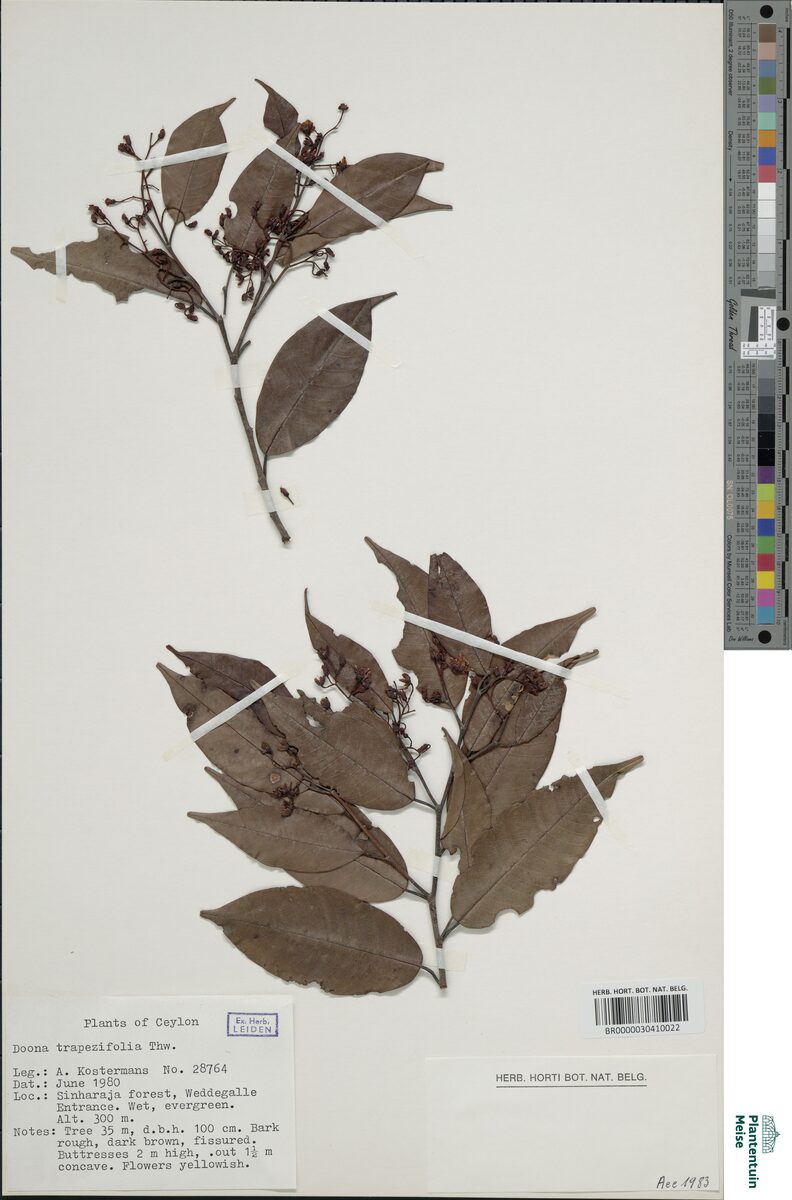
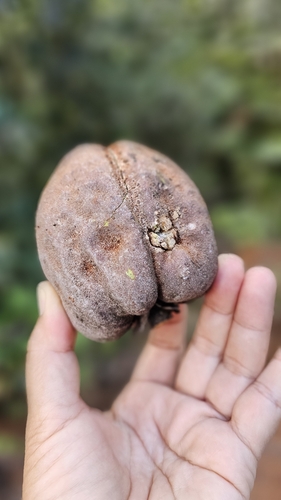
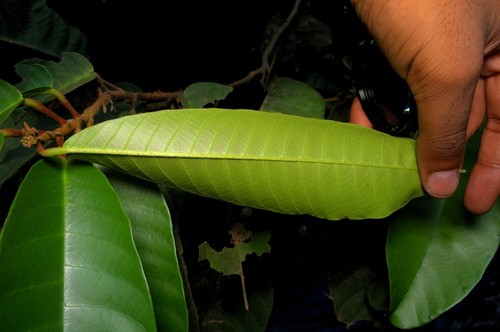
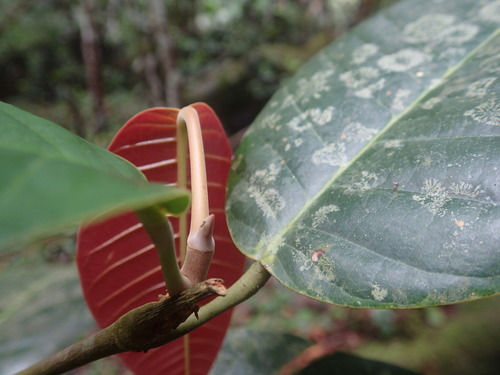
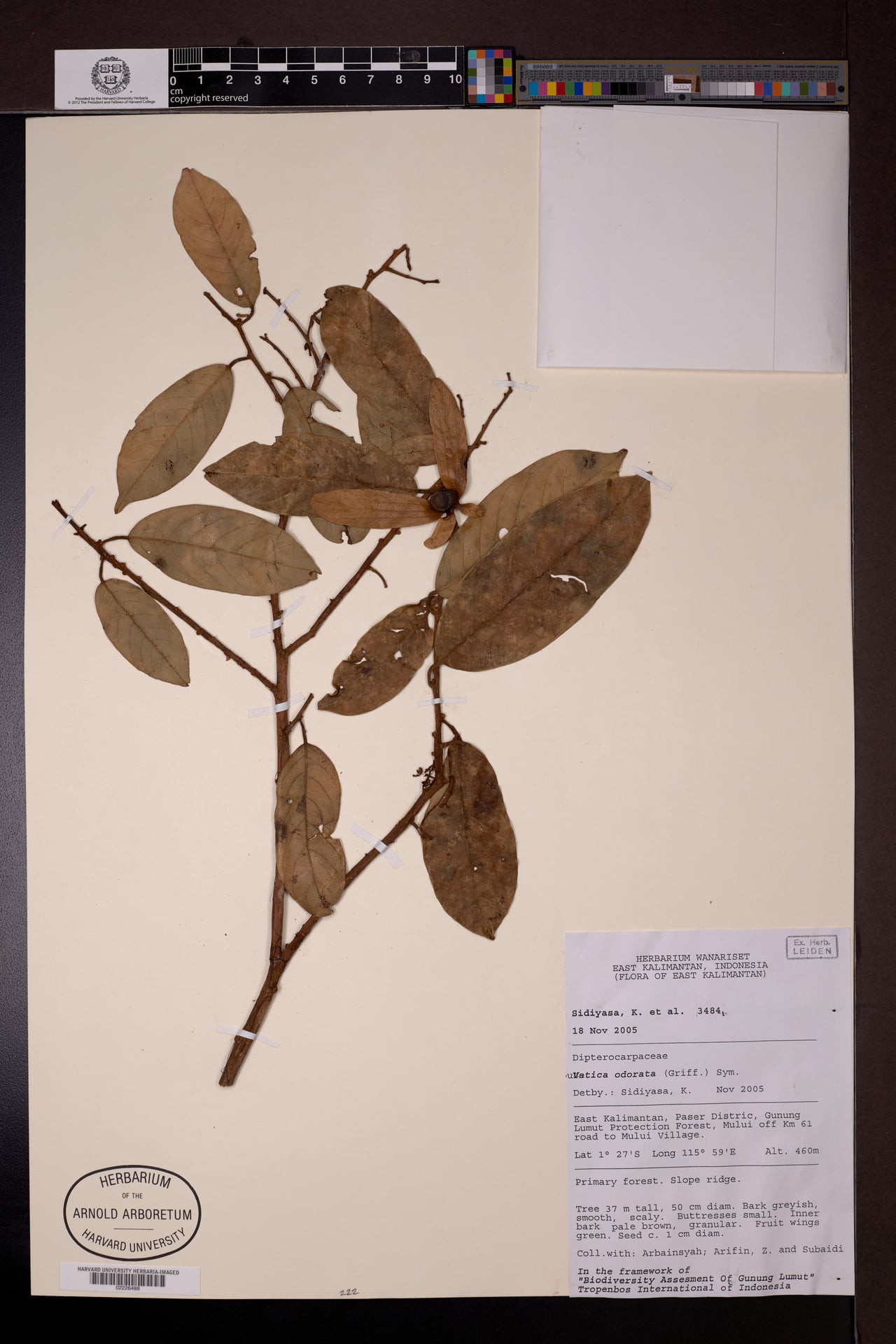
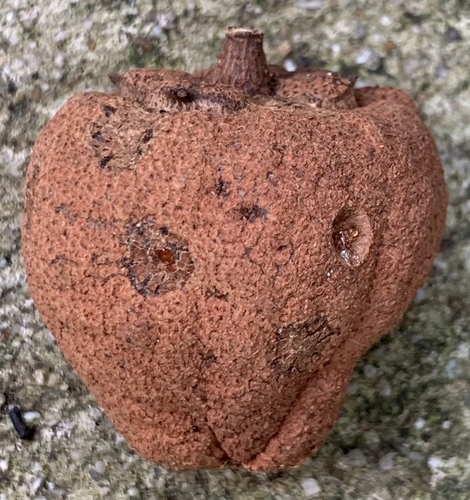
A tree. It loses its leaves during the year. It grows 15-30 m tall. The bark is grey. The leaves are oblong tapering to a short tip. The flowers are white. They occur in open clusters. The outer ring of flower parts or sepals are pink and have 5 wings. The fruit is round.
Edible Uses
The bark is used as a masticatory. A good source of tannins, it is chewed with betel nuts. Young flowers - cooked.
Medicinal Uses
A decoction of the bark is used in the treatment of dysentery. The dried flowers, combined with various other flowers, are used in the treatment of heart conditions and fevers.
Distribution
A tropical plant.
Where It Grows
Asia, Cambodia, India, Indochina, Laos, Malaysia, Myanmar, SE Asia, Singapore, Thailand, Vietnam,
Cultivation
A plant of the tropics, where it is found at elevations from 700 - 1,000 metres. It grows best in areas where annual daytime temperatures are within the range 27 - 35°c, but can tolerate 12 - 45°c. When dormant, the plant can survive temperatures down to about 8°c, but young growth can be severely damaged at 10°c. It prefers a mean annual rainfall in the range 1,000 - 1,500mm, but tolerates 770 - 2,000mm. Often found on sandy soils in the wild. Succeeds in a wide range of well-drained, fertile soils. Prefers a pH in the range 5.5 - 6, tolerating 4.9 - 7.2. A plant of lowland areas in the moist tropics. A widespread tree, unusual within its genus for its adaptation to withstand adverse climatic conditions and soil types.
Propagation
We have no specific information for this species - the information below is a general guide for the genus. Seed - best sown as soon as possible. It does not require pre-treatment, but it is recommended to soak the seed for 12 hours prior to sowing. The seeds are sown in seedbeds, where they are covered with a mixture of sand and soil (1:1) or with a thin layer of sawdust. Germination of fresh seeds is usually good and rapid. About two weeks after germination, when the seedlings are 5 - 6cm tall, they are potted up into individual containers about 15 x 23cm with good drainage holes at their base. It is normally recommended to use a mixture of forest soil and sand (at a ratio of 3:1) as the potting medium in order to introduce the appropriate mycorrhiza to the roots. The seedlings are placed in 50 - 60% sunlight and watered twice daily. Seedlings can be planted out when 30 - 40cm tall - harden the seedlings off in full sunlight for one month prior to planting.
Other Uses
A resin is obtained from the tree. Of low quality. A dye is obtained from the tree. No more information is given. The wood is yellow, yellowish-brown or gray. It is hard and smooth. It is much used in house construction. The wood is used as 'White Meranti'. We do not have any more specific information on the wood, but the following is a general description of white meranti wood:- The heartwood is creamy white, becoming yellow-brown with age; it is not clearly demarcated from the sapwood. The texture is medium; the grain straight or interlocked with a ribbon-like aspect on quartersawn wood. The wood is of medium weight, moderately hard, moderately durable, being susceptible to fungi, dry wood borers and termites. The drying rate is normal to rapid with a slight risk of distortion; once dry it is stable in service. The wood has a high silica content and is hard to work, requiring stellite-tipped and tungsten-carbide tools; there is a tendency to woolliness, and filling is required to obtain a good finish; nailing and screwing are good, but require pre-boring; gluing is correct. The wood is used for purposes such as light constructions, plywood and veneer, as door and window frames, and for posts, beams, joists, rafters, planking, light flooring, ceiling, furniture, boat building etc.
Synonyms
Also Known As
Kaban-thangyin, Kaban-ywet-they, Meranti-temak-nipis, Payohm, Phayam, Pha-yom, Porpael, Temak, Xen do, Xen mu
References (8)
- Ambasta, S.P. (Ed.), 2000, The Useful Plants of India. CSIR India. p 572
- Engel, D.H., & Phummai, S., 2000, A Field Guide to Tropical Plants of Asia. Timber Press. p 53, 112
- Gardner, S., et al, 2000, A Field Guide to Forest Trees of Northern Thailand, Kobfai Publishing Project. p 70
- Gen. hist. 1:813. 1831
- Jacquat, C., 1990, Plants from the Markets of Thailand. D.K. Book House p 59
Show all 8 references Hide references
- Kachenchart, B., et al, 2008, Phenology of Edible Plants at Sakaerat Forest. In Proceedings of the FORTROP II: Tropical Forestry Change in a Changing World. Bangkok, Thailand.
- McMakin, P.D., 2000, Flowering Plants of Thailand. A Field Guide. White Lotus. p 48
- Turreira Garcia, N., et al, 2017, Ethnobotanical knowledgeof the Kuy and Khmer people in Prey Lang, Cambodia. Cambodian Journal of Natural History 2017 (1): 76-101