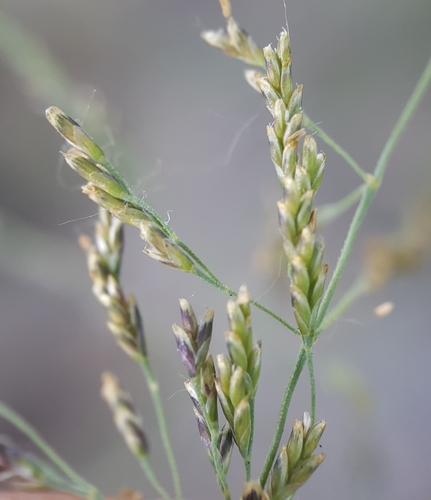
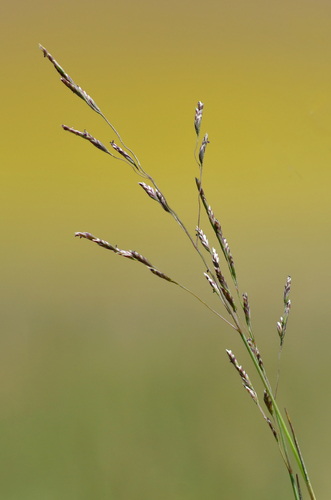
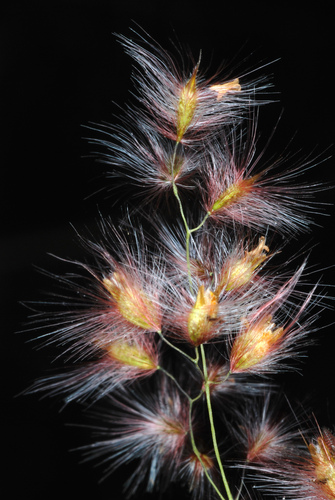
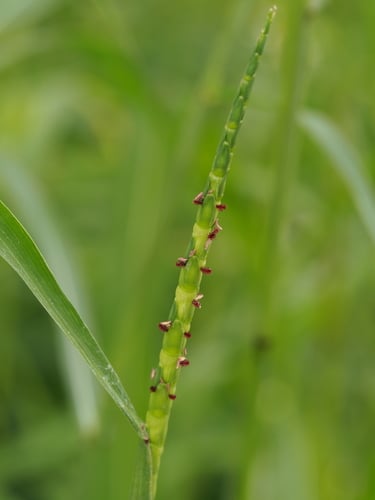
Bambusa oldhamii
Munro
Oldham Bamboo, Giant timber bamboo
iNaturalist· cc0
no rights reserved, uploaded by 葉子
iNaturalist· cc0
no rights reserved, uploaded by 葉子
iNaturalist· cc0
no rights reserved, uploaded by 葉子
Summary
Source: WikipediaBambusa oldhamii, known as giant timber bamboo or Oldham's bamboo, is a large species of bamboo. It is the most common and widely grown bamboo in the United States and has been introduced into cultivation around the world. It is densely foliated, growing up to 20 metres (65 feet) tall in good conditions, and can have a diameter of up to 10 centimetres (4 inches).
Description
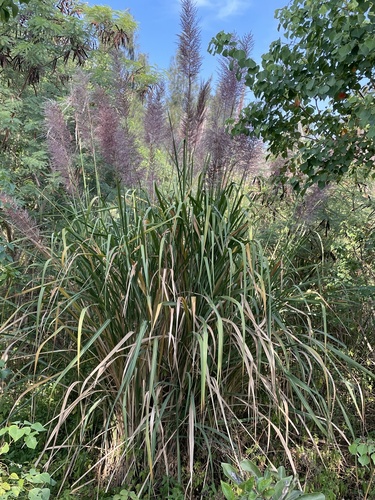
A bamboo. It grows 18 m high. The culms are straight and upright. They grow in open clumps. The clumps can be 6-12 m across. The culms are 6-15 cm across. They are bright green with a white bloom. They turn yellow with age. The shoots are edible.
Edible Uses
Edible Parts: Shoots Stem Edible Uses: Young shoots - cooked.
Traditional Uses
The young shoots can be eaten.
This uses section is brief — help expand it
Medicinal Uses
None known
Distribution
A tropical and subtropical plant. It is a cooler climate bamboo. It needs full sun. It suits hardiness zones 9-12. It will tolerate temperatures down to -7°C. In Melbourne Botanical Gardens. In Townsville Queens BG.
Where It Grows
Australia, China*, Japan, South America, Taiwan, USA,
Cultivation
Requires a humus rich soil in full sun or dappled shade in warm humid conditions. Bamboos have an interesting method of growth. Each plant produces a number of new stems annually - these stems grow to their maximum height in their first year of growth, subsequent growth in the stem being limited to the production of new side branches and leaves. In the case of some mature tropical species the new stem could be as much as 30 metres tall, with daily increases in height of 30cm or more during their peak growth time. This makes them some of the fastest-growing species in the world. This species is notably resistant to honey fungus. Bamboos in general are usually monocarpic, living for many years before flowering, then flowering and seeding profusely for a period of 1 - 3 years before usually dying.
Propagation
Seed - surface sow as soon as it is ripe in a greenhouse at about 20°c. Do not allow the compost to dry out. Germination usually takes place fairly quickly so long as the seed is of good quality, though it can take 3 - 6 months. Grow on in a lightly shaded place in the greenhouse until large enough to plant out. Seed is rarely available. Division in spring as new growth commences. Take divisions with at least three canes in the clump, trying to cause as little root disturbance to the main plant as possible. Grow them on in light shade in a greenhouse in pots of a high fertility sandy medium. Mist the foliage regularly until plants are established. Plant them out into their permanent positions when a good root system has developed, which can take a year or more.
Other Uses
Biomass Fodder Paper Straw Wood The cane walls are thick but rather soft. The canes are used as a source of pulp. Special Uses Carbon Farming Food Forest
Other Information
It is commonly cultivated for its high quality shoots.
Notes
There are about 120 Bambusa species. They are tropical and subtropical in Asia.
Synonyms
Also Known As
Lu zhu, Lu-chu, Ryoku-chiku
References (15)
- Bircher, A. G. & Bircher, W. H., 2000, Encyclopedia of Fruit Trees and Edible Flowering Plants in Egypt and the Subtropics. AUC Press. p 53
- Chew, M. & Morgan, W., 1999, Access to Asian Foods Newsletter Issue 5
- Cundall, P., (ed.), 2004, Gardening Australia: flora: the gardener's bible. ABC Books. p 217
- Dransfield, S. & Widjaja, EA., 1995, Plant Resources of South East Asia. PROSEA No. 7 Bamboos. Leiden. p 21
- Etherington, K., & Imwold, D., (Eds), 2001, Botanica's Trees & Shrubs. The illustrated A-Z of over 8500 trees and shrubs. Random House, Australia. p 114
Show all 15 references Hide references
- Facciola, S., 1998, Cornucopia 2: a Source Book of Edible Plants. Kampong Publications, p 46
- Hibbert, M., 2002, The Aussie Plant Finder 2002, Florilegium. p 37
- http://www.plantnames.unimelb.edu.au/sorting/Bamboos_Edible.html
- Ryan, S., 2008, Dicksonia. Rare Plants Manual. Hyland House. p 83
- Tanaka,
- Thomson, G. & Morgan, W., (Ed.) 1999, Access to Asian Foods Newsletter, Vic Govt., Australia Issue 6
- Trans. Linn. Soc. London 26:109. 1868
- Wiersema, J. H. & Leon, B., 2013, World Economic Plants. A Standard Reference CRC Press. 2nd Ed. p 91
- Woodward, P., 2000, Asian Herbs and Vegetables. Hyland House. p 27
- World Checklist of Useful Plant Species 2020. Royal Botanic Gardens, Kew