Schizostachyum aciculare
Gamble
iNaturalist· cc-by-nc-sa
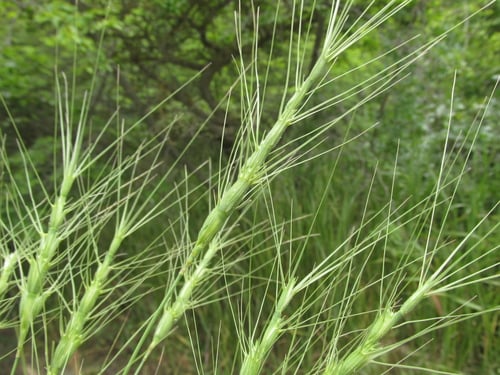
(c) Jeff Ward, some rights reserved (CC BY-NC-SA), uploaded by Jeff Ward
iNaturalist· cc-by-nc-sa
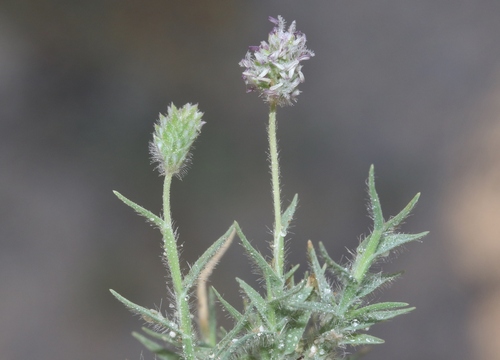
(c) Jeff Ward, some rights reserved (CC BY-NC-SA)
Summary
Source: WikipediaSchizostachyum aciculare is a species of bamboo in the tribe Bambuseae of the family Poaceae. The recorded range of this species is Indo-China to Peninsular Malaysia and Borneo. In Vietnam it may be called mung or nứa.
Description
A bamboo. It grows 6-7 m tall. The stems are 1.5 cm across. The culm sheaths are 12 cm long and have a fringe of hairs. The leaf blade is 22 cm long by 5 cm wide.
Edible Uses
The shoots are eaten.
Distribution
It is a tropical plant. In Thailand it grows between 20-500 m above sea level.
Where It Grows
Asia, India, Indochina, Laos, Malaysia, SE Asia, Thailand, Vietnam,
Cultivation
Bamboos have an interesting method of growth. Each plant produces a number of new stems annually - these stems grow to their maximum height in their first year of growth, subsequent growth in the stem being limited to the production of new side branches and leaves. In the case of some mature tropical species the new stem could be as much as 30 metres tall, with daily increases in height of 30cm or more during their peak growth time. This makes them some of the fastest-growing species in the world. Bamboos in general are usually monocarpic, living for many years before flowering, then flowering and seeding profusely for a period of 1 - 3 years before usually dying.
Other Uses
The split culms are a favoured material, commonly used for making handicrafts like hats and baskets.
Also Known As
Buloh padi, Mang nua, Phai lot
References (1)
- Ogle, B. M., et al, 2003, Food, Feed or Medicine: The Multiple Functions of Edible Wild Plants in Vietnam. Economic Botany 57(1): 103-117 (?As aviculare)