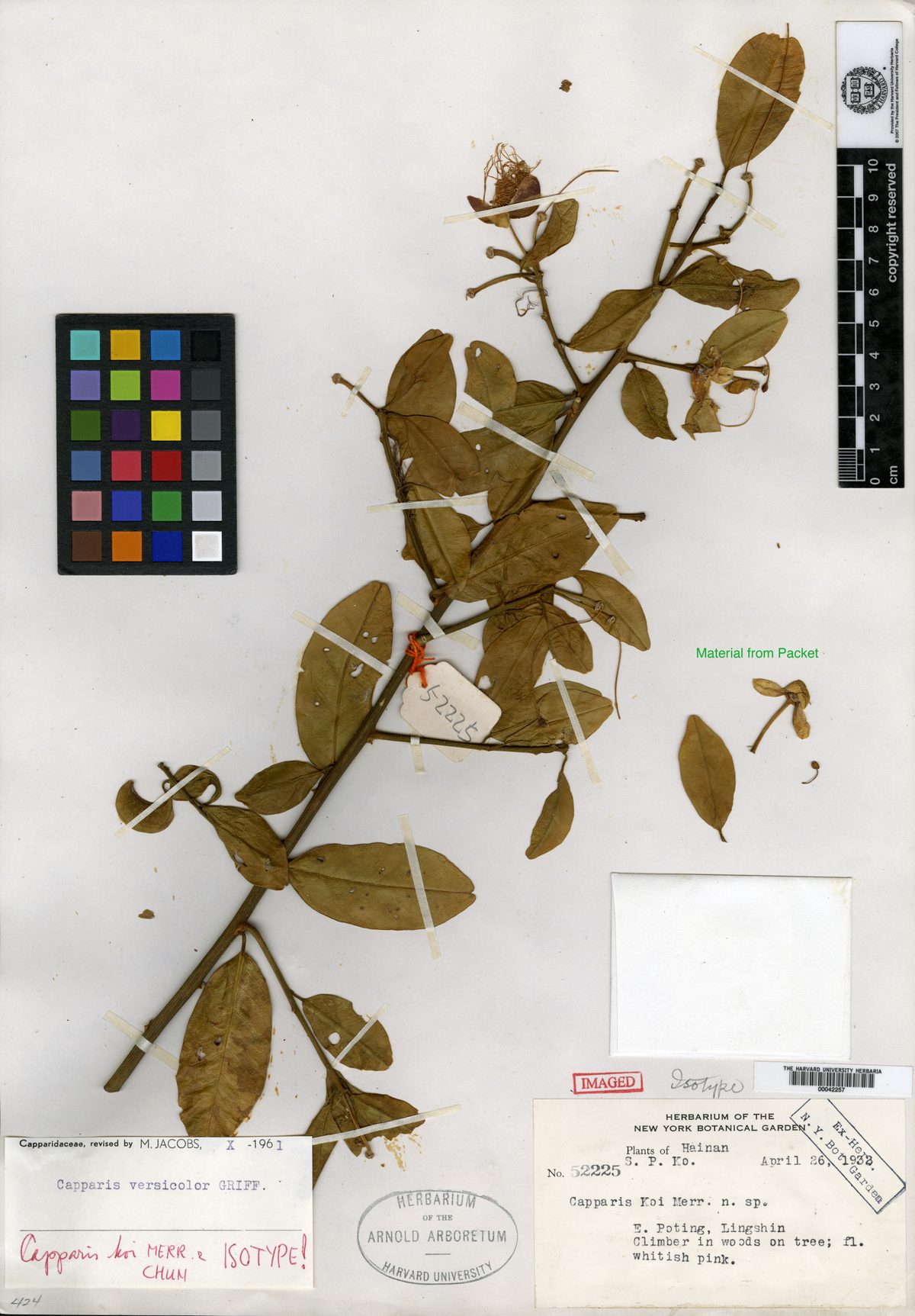
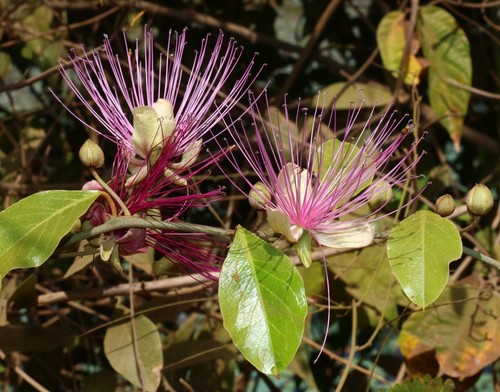
Capparis sepiaria var. subglabra
(Oliv.) De Wolf.
Caper tree, Cape capers, Hedge caper-bush
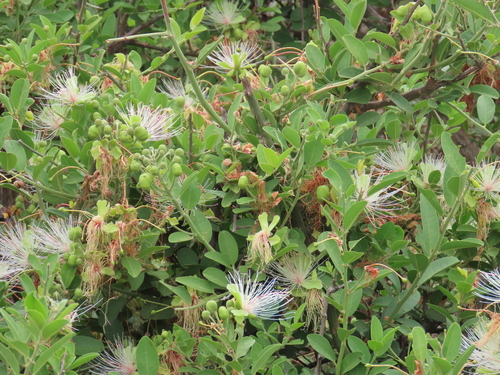
iNaturalist· cc-by-nc
(c) annaavinger, some rights reserved (CC BY-NC)
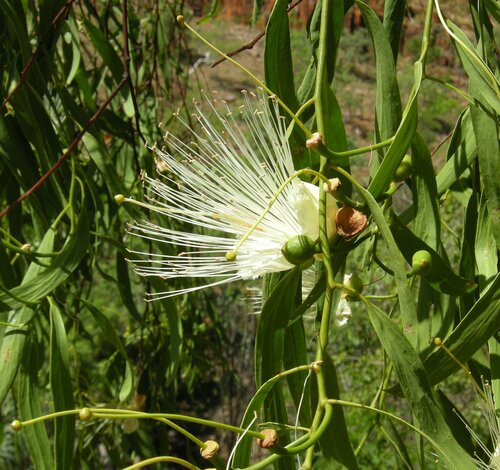
iNaturalist· cc-by-nc
(c) Bart Wursten, some rights reserved (CC BY-NC), uploaded by Bart Wursten
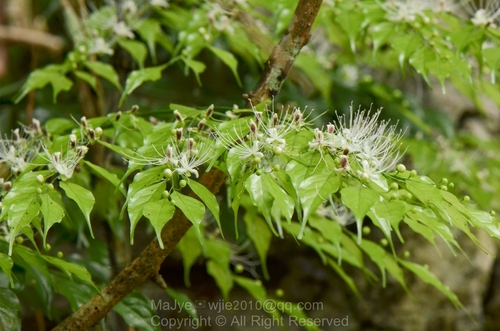
iNaturalist· cc-by-nc
(c) Sandra Falanga, some rights reserved (CC BY-NC), uploaded by Sandra Falanga
Summary
Source: WikipediaCapparis sepiaria, also commonly called hedge caper or wild caper bush, is a shrub that has a pantropical distribution, especially in dry deciduous forests, foothills and scrub jungles.
Description
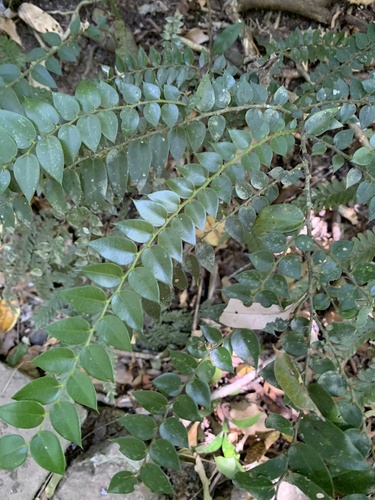
A climber or shrub. It has rigid spiny branches. The leaves are arranged in spirals. They vary in shape and size. They tend to be oval and narrow. They can be 1.3-6.2 cm long and 2.5 cm wide. The leaves are pink when young. There are sharp curved spines. The flowers occur on short side branches. The fruit are round. They are about 1.3 cm wide and soft. They are smooth and purple-black when ripe. There can be several brown seeds inside. The buds can be pickled as capers.
Edible Uses
The buds can be pickled as capers. The fruit are soft and edible when ripe.
Traditional Uses
The buds can be pickled as capers.
This uses section is brief — help expand it
Distribution
A tropical plant. It grows in coastal scrub and coastal dunes.
Where It Grows
Africa, Angola, Botswana, Central Africa, East Africa, India, Malawi, Mozambique, South Africa, Southern Africa, Sri Lanka, Zambia, Zimbabwe,
Notes
There are about 250 Capparis species. There are about 50 Capparis species in tropical America.
Synonyms
Also Known As
Chikatabvuwa
References (2)
- Palgrave, K.C., 1996, Trees of Southern Africa. Struik Publishers. p 184
- www.zimbabweflora.co.zw 2011