Hydnocarpus ilicifolius
King
Mountain hydnocarpus
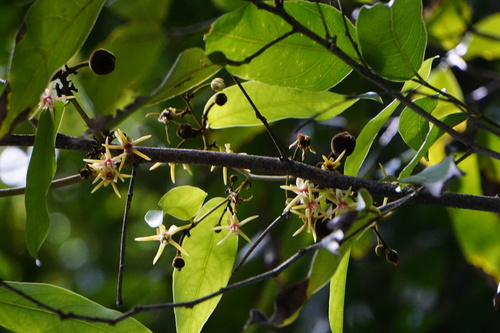
iNaturalist· cc-by-nc
(c) Ran Dai, some rights reserved (CC BY-NC)
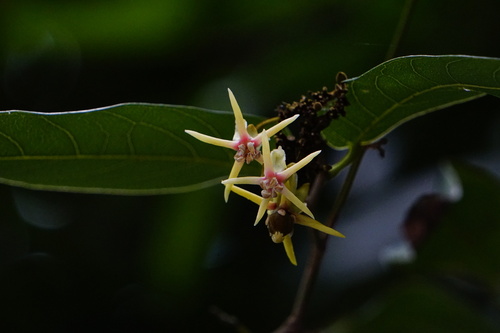
iNaturalist· cc-by-nc
(c) Ran Dai, some rights reserved (CC BY-NC)
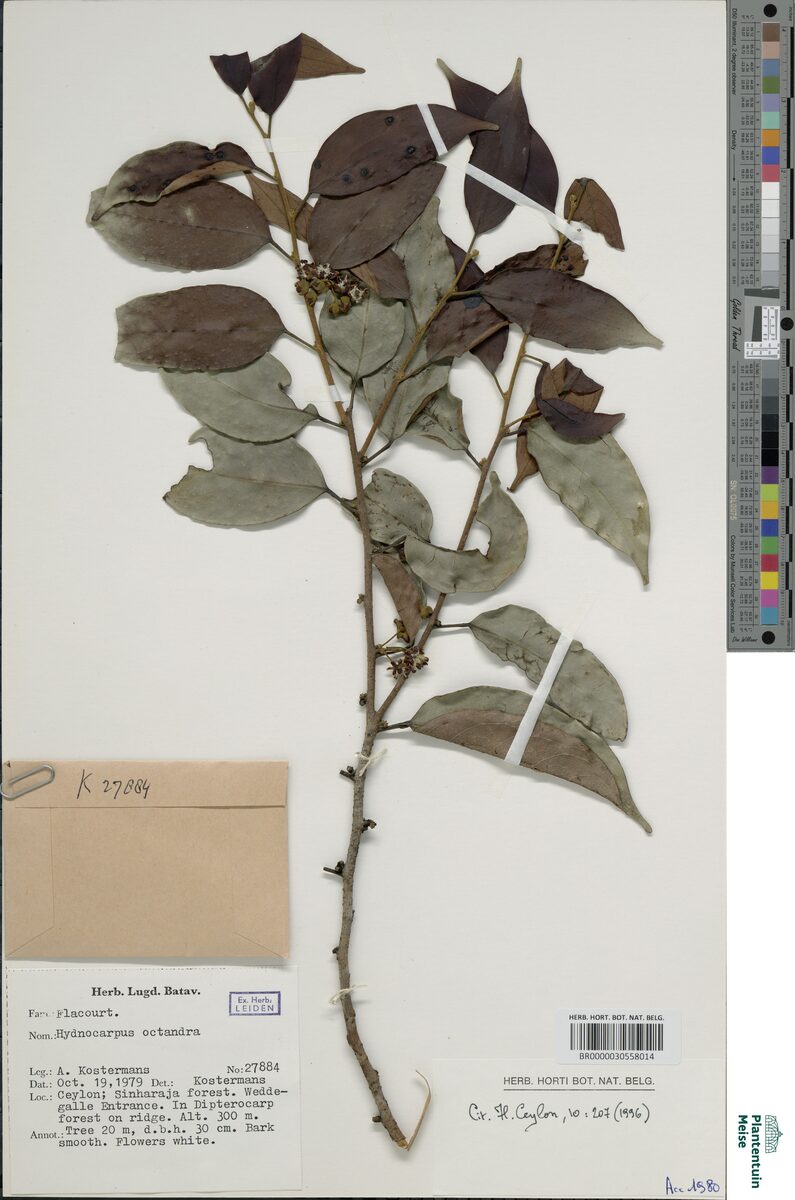
iNaturalist· cc-by-nc
(c) vilovenature, some rights reserved (CC BY-NC)
Description
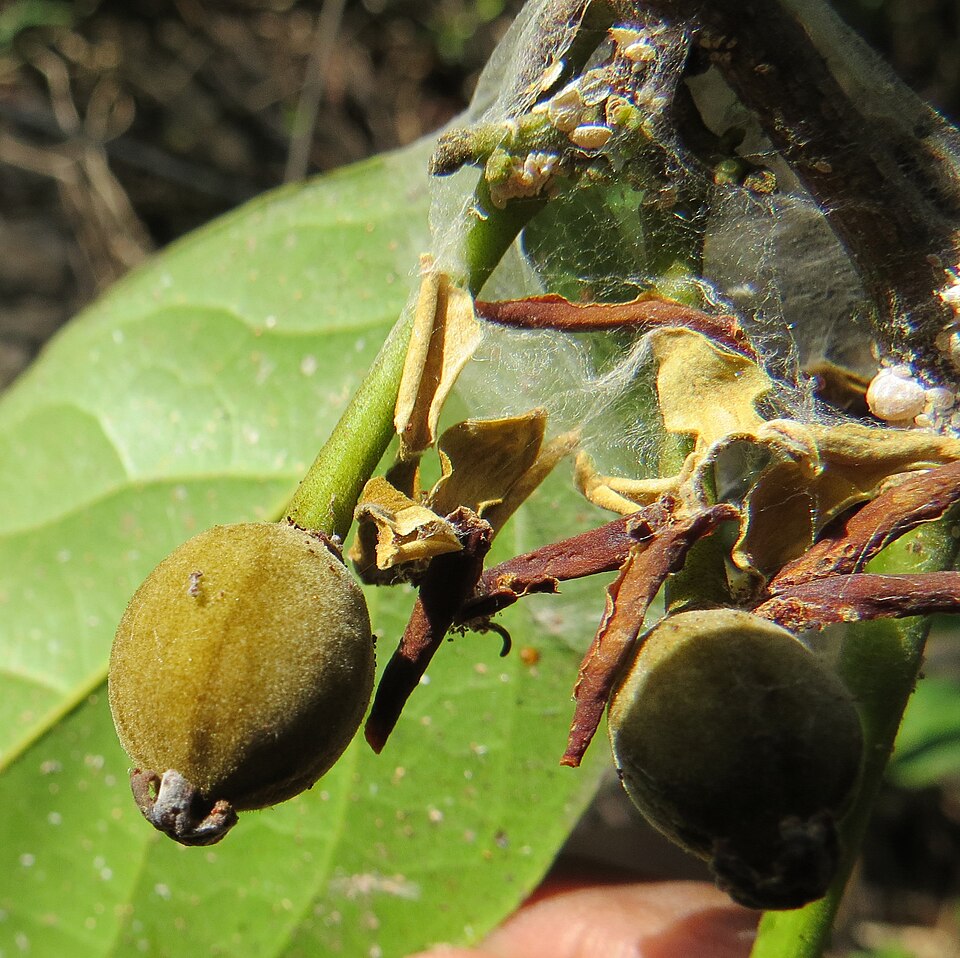
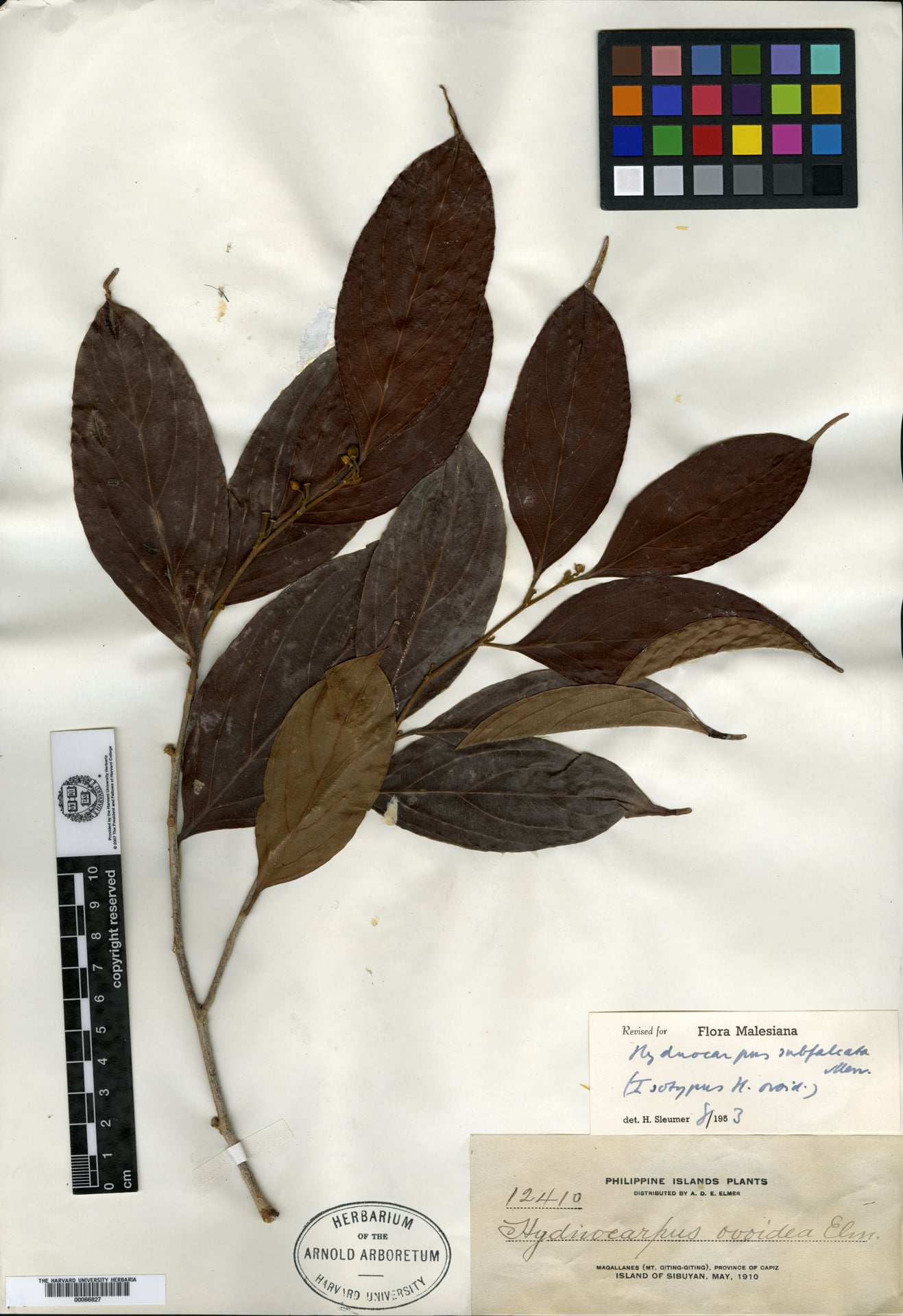
A tree. It grows 16-22 m tall. The leaves are alternate and oval and taper to the tip. The fruit are round and brown.
This description is brief — help expand it
Edible Uses
The fruit is eaten.
Medicinal Uses
We have seen no specific information for this species, but the seeds of many members of the genus contain an oil that is rich in the medically active compounds chaulmoogric and hydnocarpic acid. The oil has been shown to be an effective topical treatment for a range of skin problems (including leprosy), wounds, rheumatism etc.
Known Hazards
Although we have seen no specific information for this species, the seeds of many members of this genus contain cyanogenetic glycosides. In very small quantities this has been used medicinally, having been shown to stimulate respiration and improve digestion, it is also claimed to be of benefit in the treatment of cancer. In excess, however, it can cause respiratory failure and even death.
Distribution
It is a tropical plant. It grows in limestone areas. It grows in dry evergreen forest. It grows in the coastal fringe and the inland forests.
Where It Grows
Asia, India, Indochina, Laos, SE Asia, Thailand, Vietnam,
Cultivation
Species in this genus generally require well-drained sandy or loamy silt soils and grow best along creek beds or on the banks of streams. Seeds tend to go rancid rather quickly. Therefore ripe fruits should be opened and the fruit pulp and aril removed from the seeds. Seeds are then washed and dried in the sun. Sun-dried seeds, either whole or broken, are cold-pressed or pressed under concurrent heating to extract the oil. The chemical composition of the end-product of these methods varies. A dioecious species, both male and female forms need to be grown if fruit and seed are required
Propagation
Seed - best sown as soon as it is ripe, when it will usually germinate quickly. Germination of stored seed can be slow, with some species in the genus taking up to 2 years. Sow the seed in a shaded position in a nursery seedbed and keep moist. Grow on the seedlings in shade until large enough to plant out.
Other Uses
The oil obtained from the seed is used for making soap. When it attains suitable dimensions, the wood of species in this genus is used locally for house building (poles), temporary heavy construction, posts, fences, interior finishing, panelling and door and window frames.
Notes
Also put in the Flacourtiaceae family.
Also Known As
Kra baoklak, Lonoi oro, Mueat keo, Nuiuou, Nsiuou, Numu
References (3)
- Palakit, K., et al, 2015, Effects of Climate Variability on Monthly Growth of Aglaia odoratissima and Hydnocarpus ilicifolia at the Sakaerat Envinronmental Research Station, Northeastern Thailand. Environment and Natural Resources J. Vol. 13, No.1:1-12
- Thitiprasert, W., et al, 2007, Country report on the State of Plant Genetic Resources for Food and Agriculture in Thailand (1997-2004). FAO p 95
- World Checklist of Useful Plant Species 2020. Royal Botanic Gardens, Kew