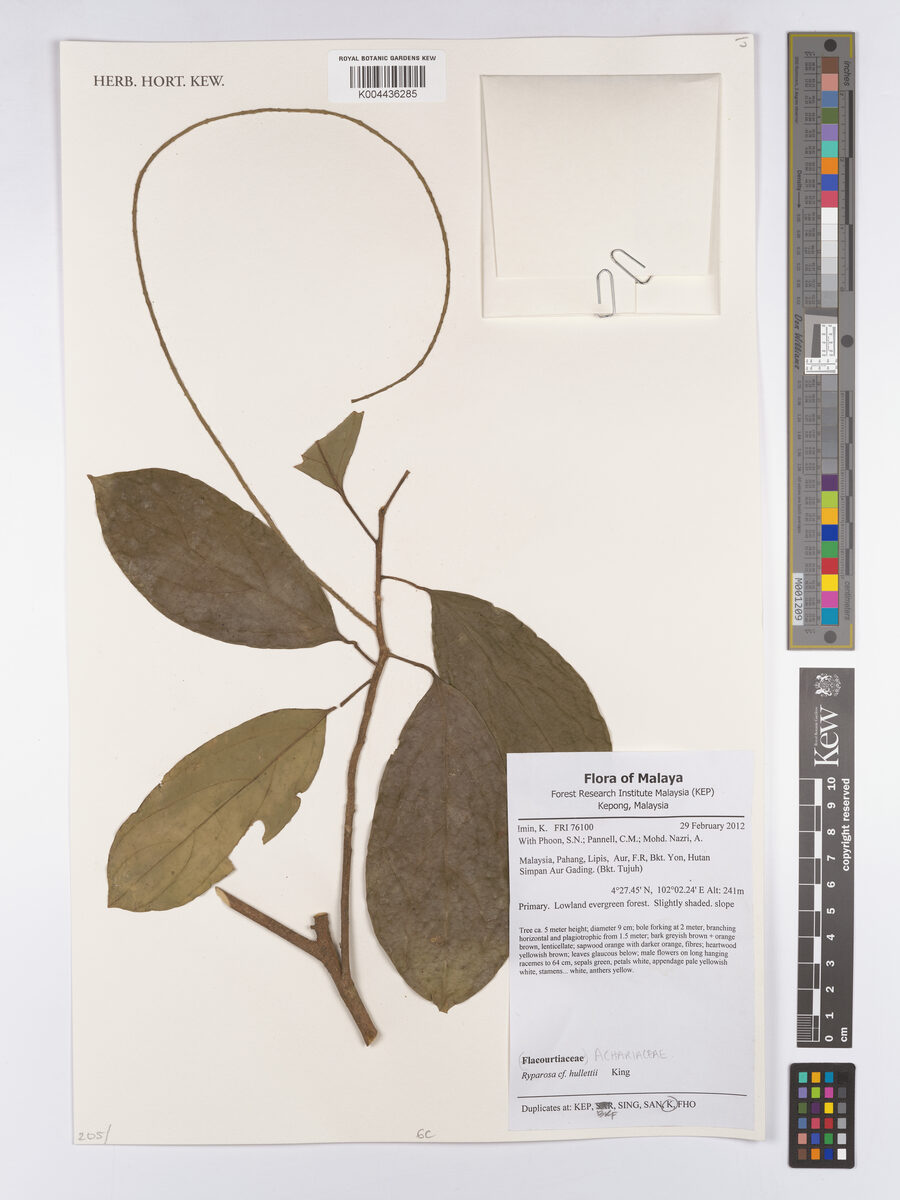
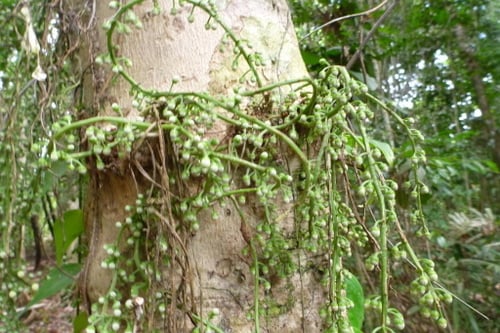
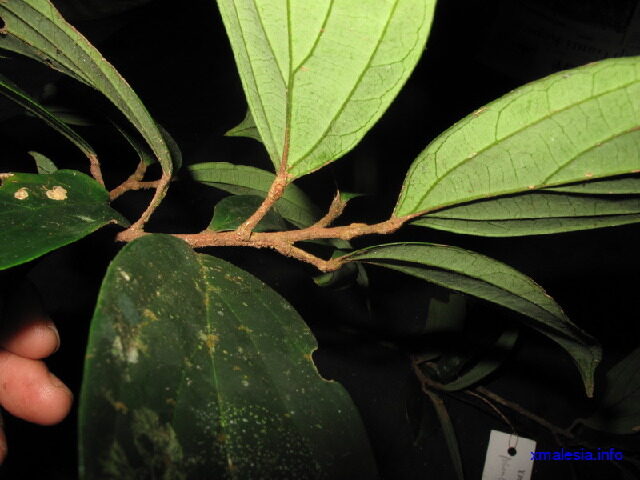
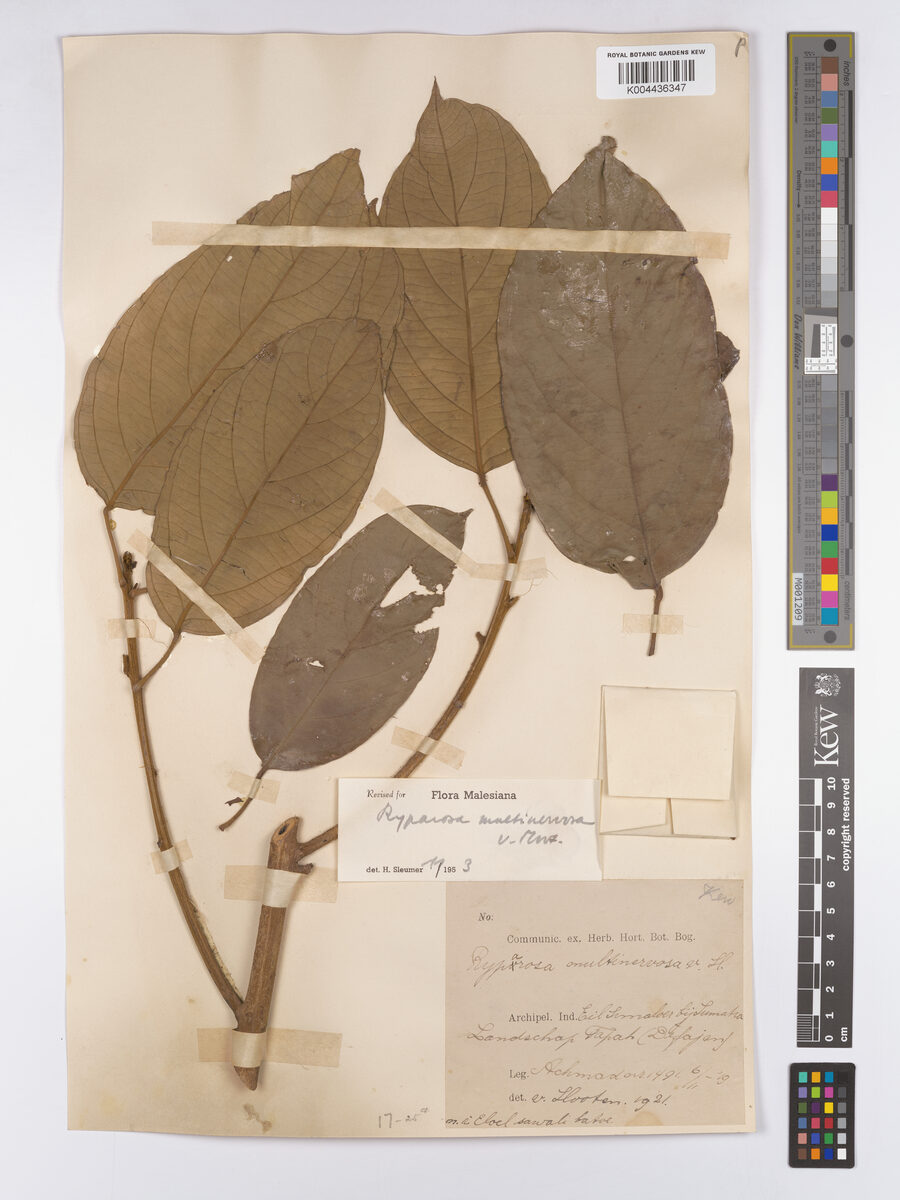
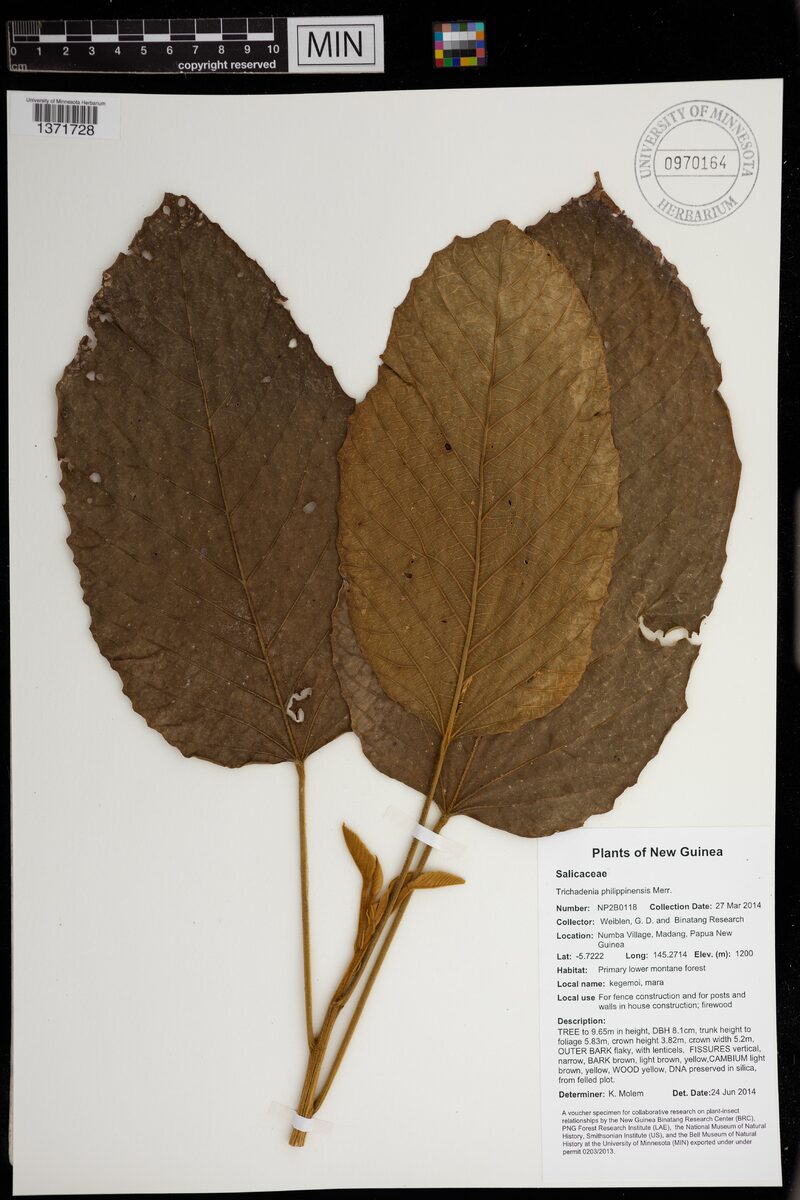
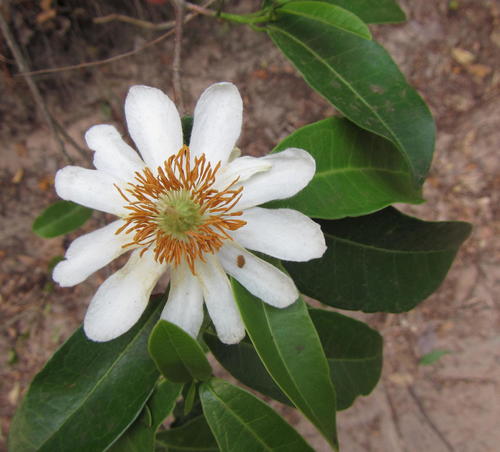
Mayna odorata
Aubl.
Fragrant mayna
iNaturalist· cc-by-nc
(c) Robin Heymans, some rights reserved (CC BY-NC), uploaded by Robin Heymans
iNaturalist· cc-by-nc
(c) Olivier Fortune - Isabelle Delafosse, some rights reserved (CC BY-NC), uploaded by Olivier Fortune - Isabelle Delafosse
iNaturalist· cc-by-nc
(c) Guillaume Léotard, some rights reserved (CC BY-NC), uploaded by Guillaume Léotard
Description
A small tropical tree in the Achariaceae family (also placed in Flacourtiaceae), native to tropical regions.
This description is brief — help expand it
Edible Uses
The fruit is edible.
Medicinal Uses
The plant is used in medicine.
Distribution
It is a tropical plant.
Where It Grows
Amazon, Andes, Brazil, Central America, Colombia, Costa Rica, Ecuador, Galapagos, Guatemala, Honduras, Panama, Peru, South America,
Cultivation
A dioecious species, both male and female forms need to be grown if seed is required.
Notes
Also put in the Flacourtiaceae family. It is used in medicine.
Synonyms
Also Known As
Anilina, Bogimoncamo, Chichik yura, Chichiku kaspi, Cohuani ahue, Danga'to, Erizo, Escova-de-macaco, Grao-de-macacc, Laranjinha, Machakuy manti, Mata-calado, Susu muyu, Uchuch tumashnum, Urcu ingaru paju
References (6)
- (As Mayna echinata)
- Grandtner, M. M. & Chevrette, J., 2013, Dictionary of Trees, Volume 2: South America: Nomenclature, Taxonomy and Ecology. Academic Press p 388
- Kermath, B. M., et al, 2014, Food Plants in the Americas: A survey of the domesticated, cultivated and wild plants used for Human food in North, Central and South America and the Caribbean. On line draft. p 527
- Lopez-Diago, D. & Garcia, N., 2021, Wild edible fruits of Colombia. Biota ColomBiana 22 (2)
- Roa, J. A. G. & Boada, D. S. G., 2018, Fundación para el Fortalecimiento de la Fruticultura y Plantas Alimenticias no Convencionales en Colombia.
Show all 6 references Hide references
- Torre, de la L., et al, 2008, Enciclopedia de las Plantas Útiles del Ecuador. Herbario QCA. Pontificia Universidad Católica del Ecuador. p 148