Cissus gongylodes
(Baker) Burch. ex Planch.
Marble treebine, Curtain vine
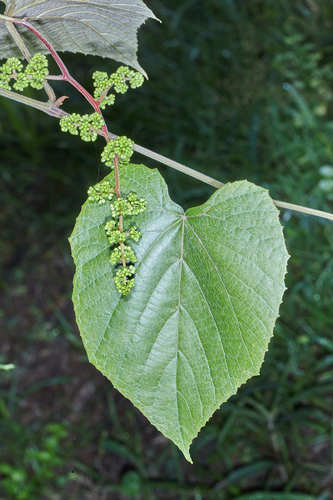
iNaturalist· cc-by-nc
(c) Yuri Tedéo, some rights reserved (CC BY-NC), uploaded by Yuri Tedéo
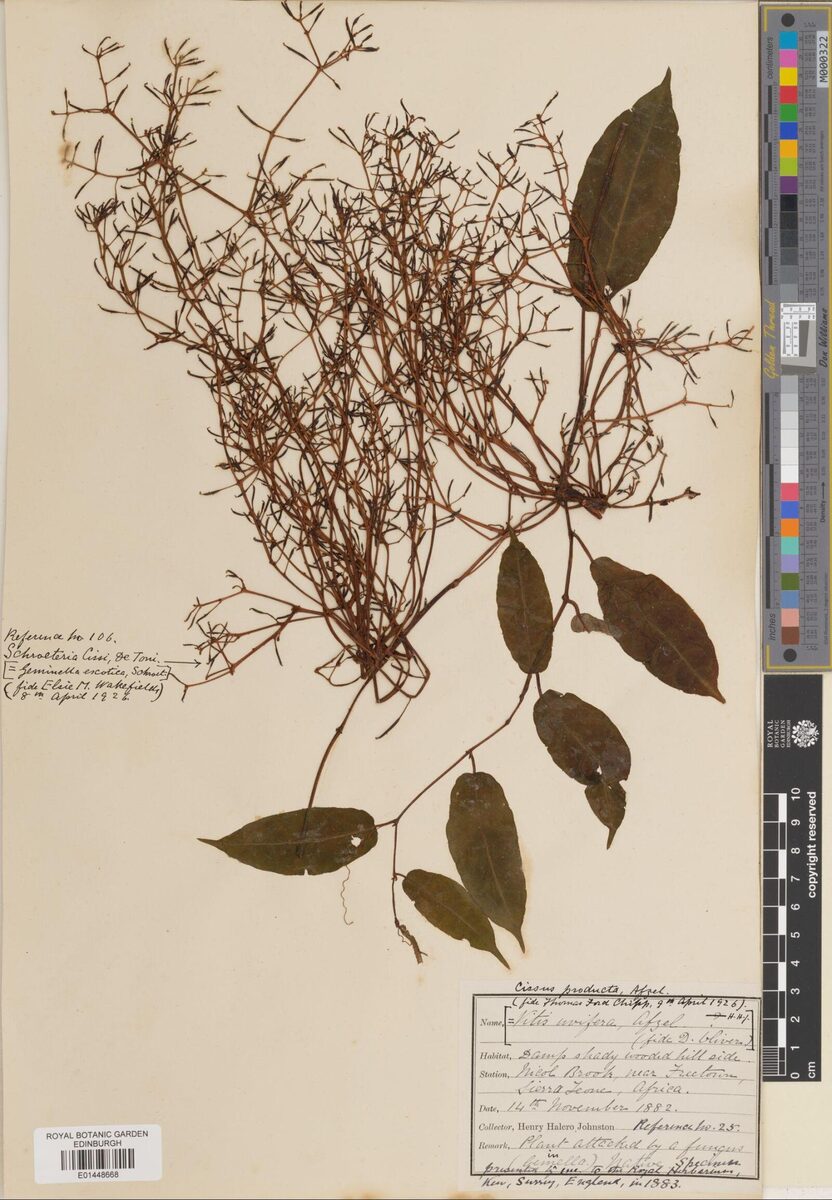
iNaturalist· cc-by-nc
(c) Odebrecht, Clarisse, some rights reserved (CC BY-NC)
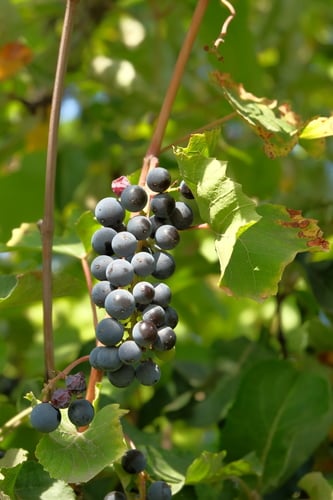
iNaturalist· cc-by-nc
(c) Odebrecht, Clarisse, some rights reserved (CC BY-NC)
Description
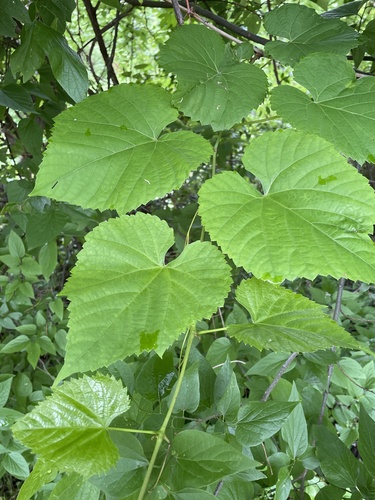
A tropical vine with square, succulent stems and red aerial roots, cultivated as a food plant and found from sea level to 100 m altitude.
This description is brief — help expand it
Edible Uses
Both fruit and vegetable portions are eaten.
Medicinal Uses
Cissus quadrangularis has been evaluated for potential medical uses. As a source of carotenoids, triterpenoids and ascorbic acid, the extracts may have potential for medical effects, including "gastroprotective activity" and benefits in terms of "lipid metabolism and oxidative stress". Cissus quinquangularis was used by the Maasai people of Kenya to relieve some of the symptoms of malaria.
Distribution
A tropical plant. It grows from sea level to 100 m above sea level.
Where It Grows
Amazon, Bolivia, Brazil, Colombia, Paraguay, Peru, South America, Venezuela,
Other Information
It is a cultivated food plant.
Notes
There are about 200-350 Cissus species. There are about 75 species in tropical America.
Synonyms
Also Known As
Cipo-kupa, Suelda, Teres, Winged-stemmed grape ivy
References (6)
- A. L. P. P. de Candolle & A. C. de Candolle, Monogr. phan. 5:550. 1887
- Hermandez Bermejo, J.E., and Leon, J. (Eds.), 1994, Neglected Crops. 1492 from a different perspective. FAO Plant Production and Protection Series No 26. FAO, Rome. p18
- Kermath, B. M., et al, 2014, Food Plants in the Americas: A survey of the domesticated, cultivated and wild plants used for Human food in North, Central and South America and the Caribbean. On line draft. p 233
- Tomchinsky, B., et al, 2021, Food Composition Data: Edible Plants from the Amazon. in M. C. M. Jacob, U. P. Albuquerque (eds.), Local Food Plants of Brazil, Ethnobiology, Springer p 286
- Wiersema, J. H. & Leon, B., 2013, World Economic Plants. A Standard Reference CRC Press. 2nd Ed. p 177
Show all 6 references Hide references
- World Checklist of Useful Plant Species 2020. Royal Botanic Gardens, Kew