Astelia grandis
Hook.f.
Swamp astelia
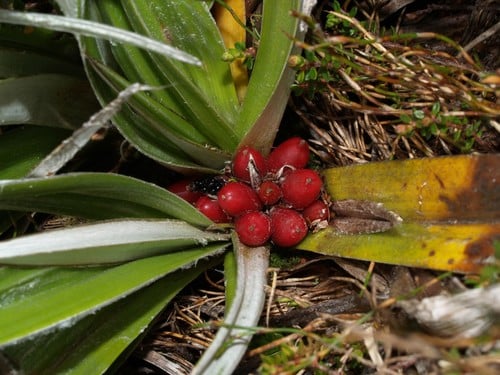
iNaturalist· cc-by-nc
(c) Chris Ecroyd, some rights reserved (CC BY-NC), uploaded by Chris Ecroyd
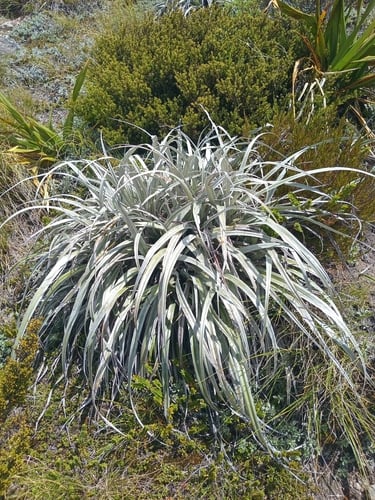
iNaturalist· cc0
no rights reserved, uploaded by Peter de Lange
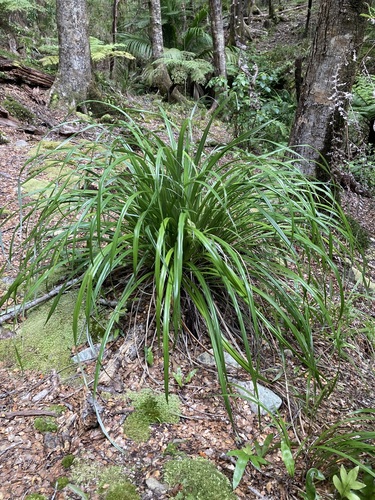
iNaturalist· cc-by-nc
(c) Ohara McLennan, some rights reserved (CC BY-NC), uploaded by Ohara McLennan
Summary
Source: WikipediaA perennial growing to 2 m tall with a dioecious flowering pattern requiring both male and female plants for seed production. Not self-fertile. Tolerates light sandy, medium loamy, and heavy clay soils with a preference for well-drained conditions. Grows in mildly acid, neutral, or basic soils. Adapts to semi-shade or full light, preferring consistently moist soil.
Description
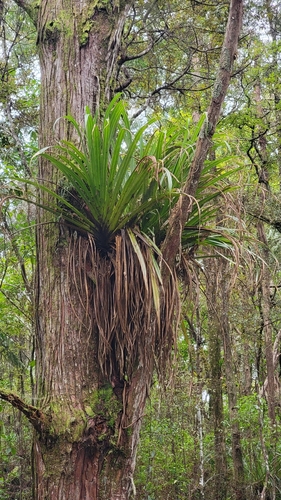
A herb. It forms clumps up to 2 m high. The leaves are long and grass like. They are broad and stiff. They have a strong white vein on either side of the midrib. Male and female flowers are on separate plants.
Edible Uses
Edible Parts: Fruit Edible Uses: Fruit - raw. Sweet, fleshy and juicy, it is pleasant to eat. The orange-coloured fruit is about 10mm in diameter.
Medicinal Uses
None known
Distribution
It is a temperate plant. It grows in swampy ground. It is best in light shade. It is frost hardy. Hobart Botanical Gardens.
Where It Grows
Australia, New Zealand, Tasmania,
Cultivation
Requires a damp humus-rich fertile soil in sun or semi-shade, sheltered from cold drying winds. Prefers a moist soil and a cool position. This species is not very cold-hardy. It tolerates temperatures down to about -3°cc, and possibly even lower for short periods. It might succeed outdoors in the milder parts of the country. Dioecious. Male and female plants must be grown if seed is required.
Propagation
Seed - sow late winter in a greenhouse. Germination can be very slow, sometimes taking more than 12 months. When they are large enough to handle, prick the seedlings out into individual pots and grow them on in light shade for at least the first winter in a greenhouse. Plant out in late spring or early summer once they are 15cm or more tall. Division in spring.
Other Uses
Fibre A soft brown fibre is obtained from the leaves. It has a variety of uses. Special Uses
Notes
There are about 25 Astelia species.
Synonyms
References (2)
- Hibbert, M., 2002, The Aussie Plant Finder 2002, Florilegium. p 34
- Plants for a Future database, The Field, Penpol, Lostwithiel, Cornwall, PL22 0NG, UK. http://www.scs.leeds.ac.uk/pfaf/