Melothria dulcis
Wunderlin
Ococa
iNaturalist· cc-by
(c) Jo Roberts, some rights reserved (CC BY), uploaded by Jo Roberts
iNaturalist· cc-by-nc
(c) mangochutn3y, some rights reserved (CC BY-NC), uploaded by mangochutn3y
iNaturalist· cc-by-nc
(c) mangochutn3y, some rights reserved (CC BY-NC), uploaded by mangochutn3y
Description
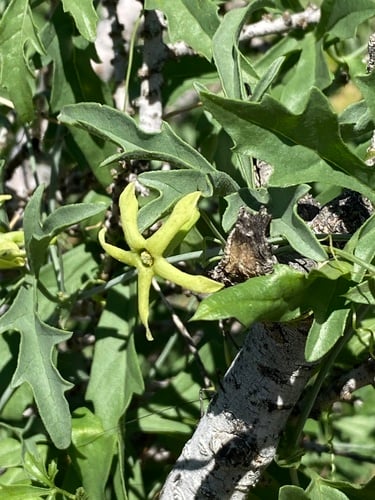
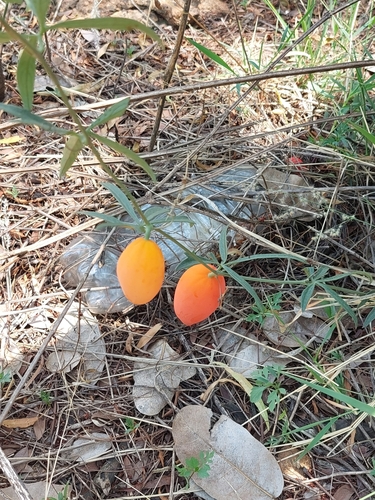
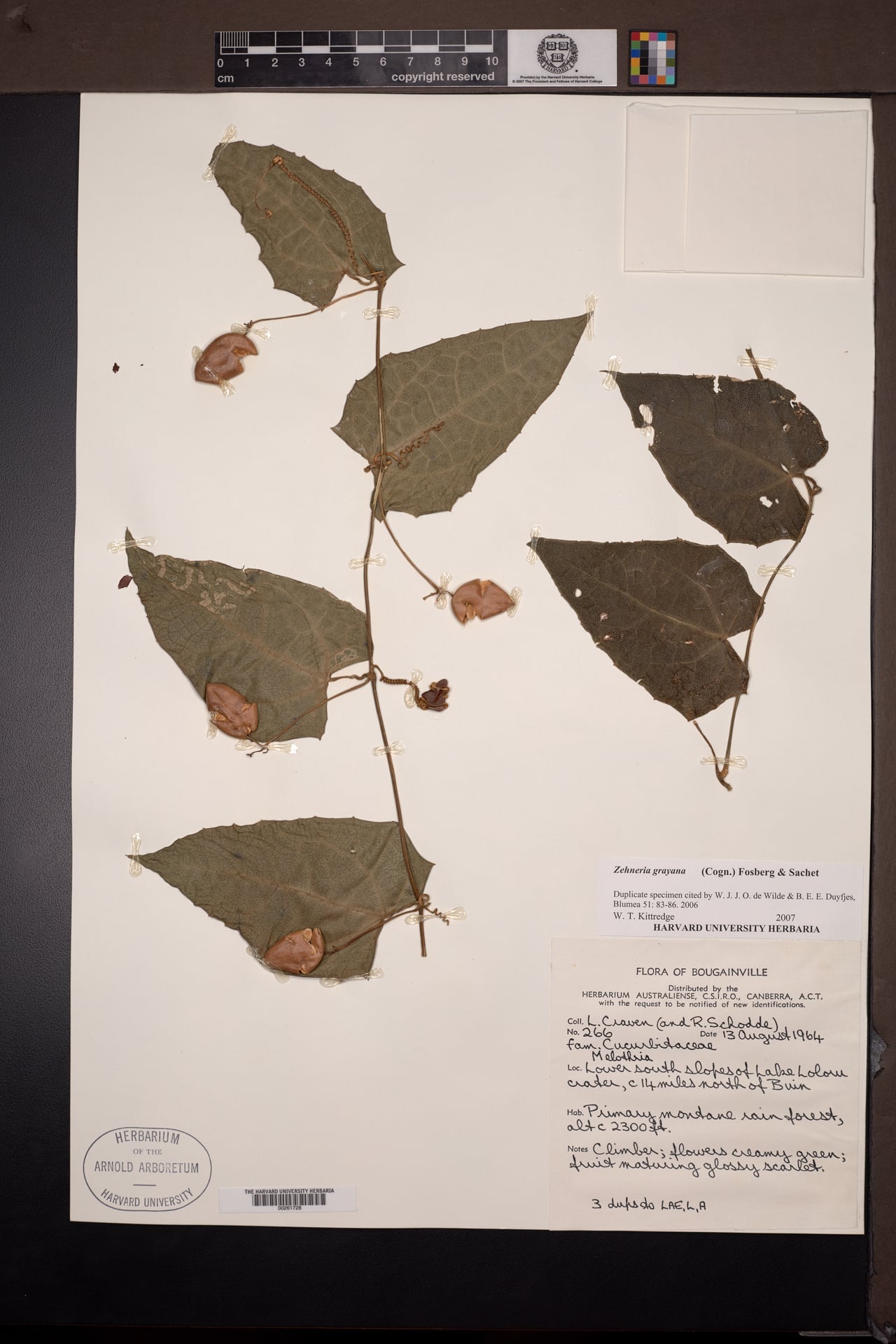
A pumpkin family plant. The leaves are simple and 14 cm long by 10 cm wide. The base is heart shaped and they taper to the tip. The edges are wavy and have teeth. It has simple tendrils. Male flowers are in groups and female flowers occur singly. The fruit are yellow to orange and the pulp is orange. Fruit are 7 cm long and 6 cm wide. The seeds are 1 cm long.
Edible Uses
The orange pulp of the fruit is used to make juices and the fruits are eaten fresh.
Traditional Uses
The pulp of the fruit is used for juices. The fruit are enjoyed.
This uses section is brief — help expand it
Distribution
A tropical plant.
Where It Grows
Brazil, Central America, Colombia, Costa Rica, Nicaragua, Panama, Peru, South America,
References (4)
- Hermandez Bermejo, J.E., and Leon, J. (Eds.), 1994, Neglected Crops. 1492 from a different perspective. FAO Plant Production and Protection Series No 26. FAO, Rome. p15
- Kew Plants of the World On line
- Krings, A. & Braham, R. R., 2005, Guide to Tendrillate Climbers of Costa Rican Mountains. Blackwell Publishing. p 60
- Roa, J. A. G. & Boada, D. S. G., 2018, Fundación para el Fortalecimiento de la Fruticultura y Plantas Alimenticias no Convencionales en Colombia.