Nymphoides cristata
(Roxburgh) O. Kuntze
White water snowflake, Floating heart, Fairy water-lily
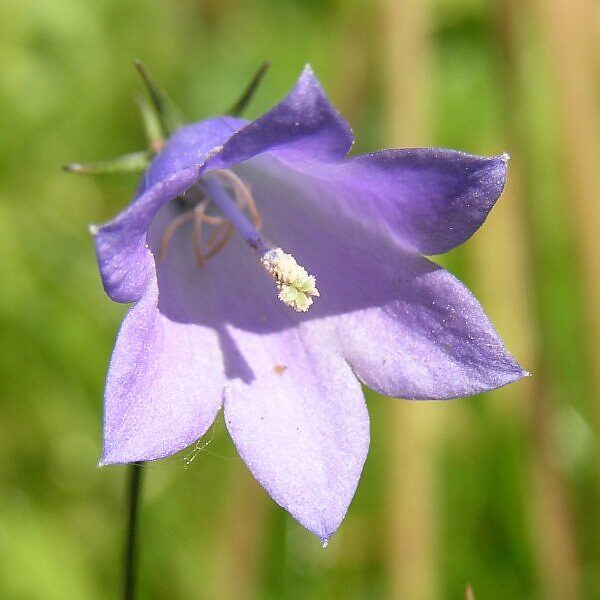
iNaturalist· cc-by-nc-nd
(c) Subhajit Roy, some rights reserved (CC BY-NC-ND), uploaded by Subhajit Roy
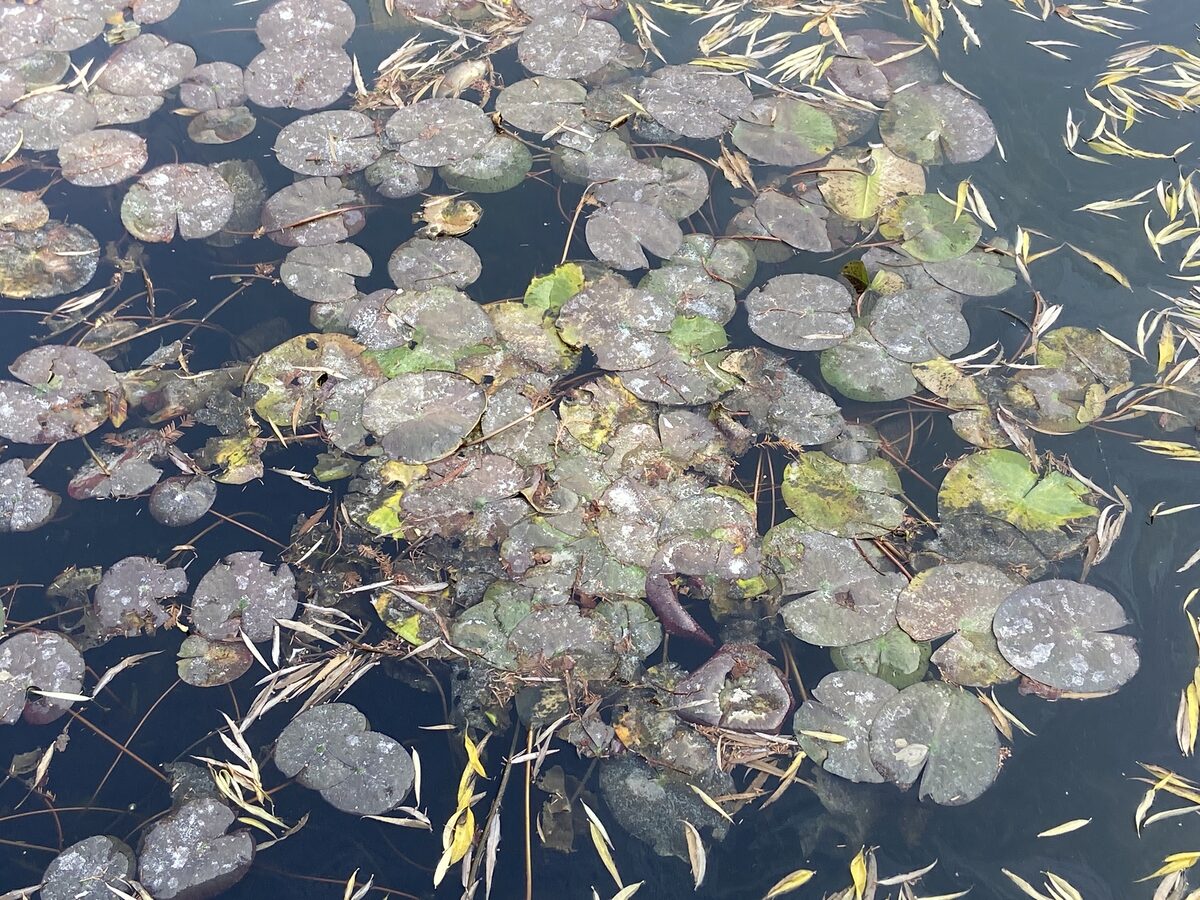
iNaturalist· cc-by-nc
(c) pisum, some rights reserved (CC BY-NC)
iNaturalist· cc-by-nc
(c) pisum, some rights reserved (CC BY-NC)
Description
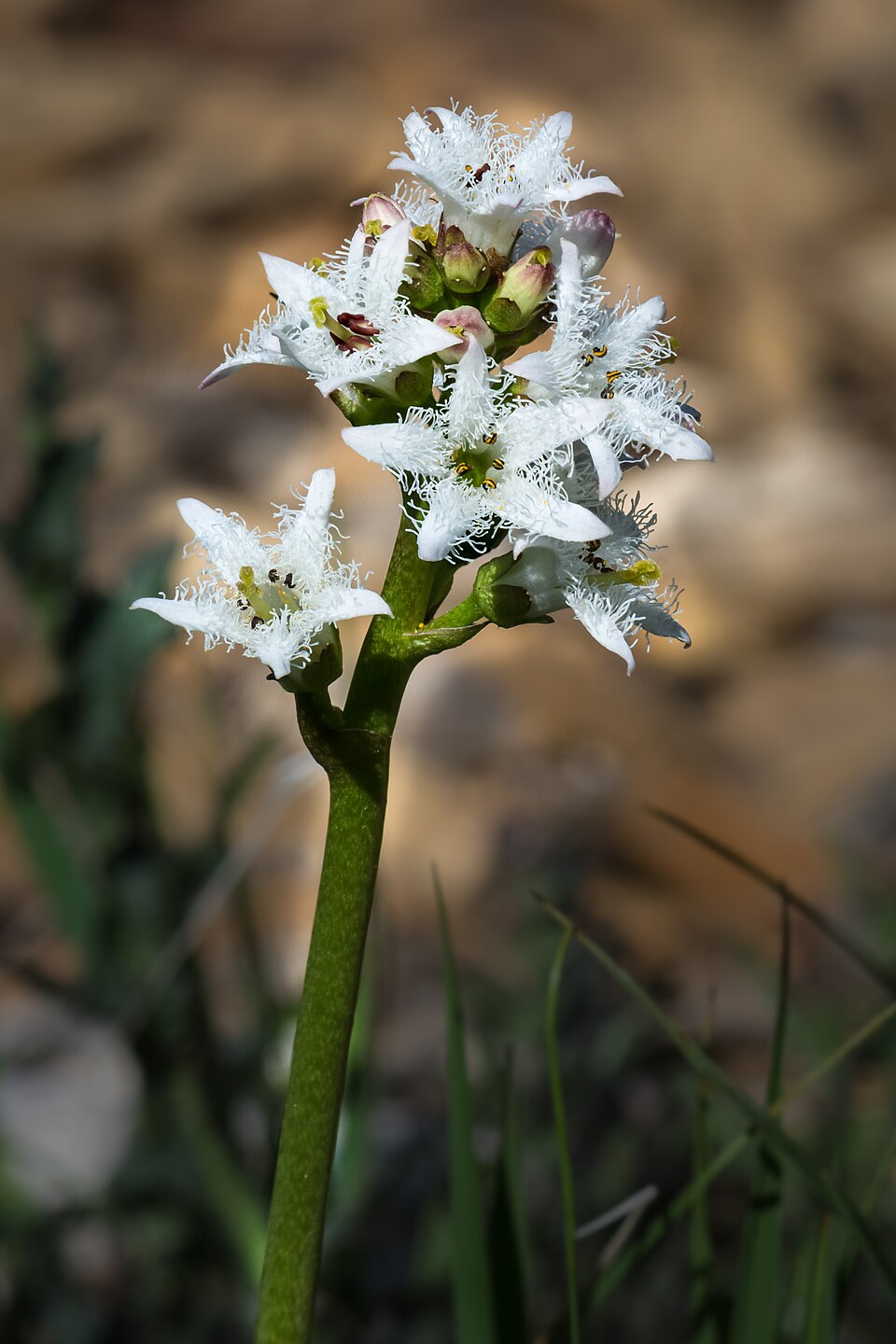
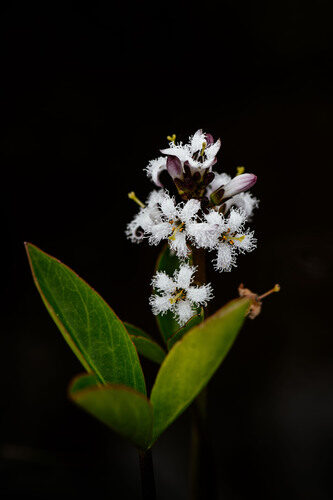
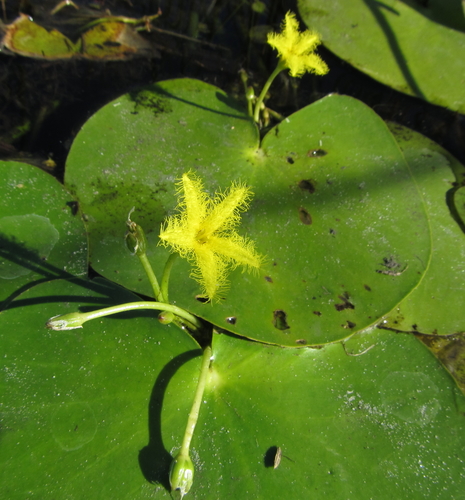
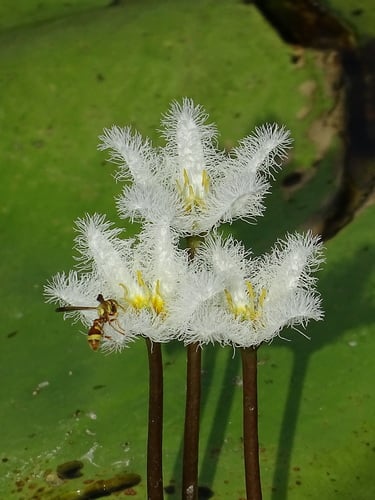
A water-lily like plant. It grows under water. It can be free floating. The leaves are oval or heart shaped and 8-15 cm across. The gap in the leaves is V shaped. The leaf stalk is short and sheaths the base. The leaves float. They are green but mottled red. The flowers emerge above the water. The flowers are white. They have 5 petals and are 2 cm across. The edges of the flowers are wavy. The centre is yellow.
Edible Uses
The stems, roots, buds, and leaves are eaten boiled or curried, with the boiled plant's softer parts being consumed.
Traditional Uses
The stems, roots, buds and leaves are eaten either boiled or curried. The plant is boiled and softer parts eaten.
This uses section is brief — help expand it
Distribution
A tropical plant. It grows under water in standing water. It needs full sun. They grow in warm places. It suits hardiness zones 8-12. In Sichuan.
Where It Grows
Asia, China, Himalayas, India, Indonesia, Japan, Malaysia, Nepal, Pakistan, SE Asia, Taiwan, Thailand,
Cultivation
Plants can be grown in shallow water over nutrient-rich soils. The seeds need to be kept dry for a few months before planting.
Notes
There are about 30 Nymphoides species.
Synonyms
Also Known As
Alli gadda, Antara tamara, Anthara thamara, Chandmalla, Cumuda, Ghainchu, Hime-gagatuba, Khatara, Khatara, Kolare chikal, Kumu, Kumudini, Kumukhatara, Marang chatom ara ba, Nodel ampel, Paktubtao, Panchuli, Silver lotus, Tagarmul
References (15)
- Ambasta S.P. (Ed.), 2000, The Useful Plants of India. CSIR India. p 328 (As Limnanthemum cristatum)
- Burkill, I.H., 1966, A Dictionary of the Economic Products of the Malay Peninsula. Ministry of Agriculture and Cooperatives, Kuala Lumpur, Malaysia. Vol 2 (I-Z) p 1368 (As Limnanthemum cristatum)
- Chao, Pi-Yu, et al, 2014, Antioxidant Activity in Extracts of 27 Indigenous Taiwanese Vegetables. Nutrients 2014, 6, 2115-2130
- GAMMIE, (As Limnanthemum cristatum)
- Gen. sp. Gent. 342. 1838 (As Limnanthemum cristatum)
Show all 15 references Hide references
- Hu, Shiu-ying, 2005, Food Plants of China. The Chinese University Press. p 628
- Jiwajinda, S., et al, 2002, Suppressive Effects of Edible Thai Plants on Superoxide and Nitric Oxide Generation. Asian Pacific Journal of Cancer Prevention, Vol 3, 2002
- Llamas, K.A., 2003, Tropical Flowering Plants. Timber Press. p 276
- Martin, F.W. & Ruberte, R.M., 1979, Edible Leaves of the Tropics. Antillian College Press, Mayaguez, Puerto Rico. p 192 (As Limnanthemum cristatum)
- Revis. gen. pl. 2:429. 1891
- Romanowski, N., 2007, Edible Water Gardens. Hyland House. p 111
- SHORTT, (As Villarsia cristata)
- Singh, H.B., Arora R.K.,1978, Wild edible Plants of India. Indian Council of Agricultural Research, New Delhi. p 31, 78
- Slocum, P.D. & Robinson, P., 1999, Water Gardening. Water Lilies and Lotuses. Timber Press. p 84
- WATT, (As Limnanthemum cristatum and Villarsia cristata)