Cicer songaricum
Stephan ex DC.
iNaturalist· cc-by-nc
(c) Aleksandr Naumenko, some rights reserved (CC BY-NC), uploaded by Aleksandr Naumenko
Description
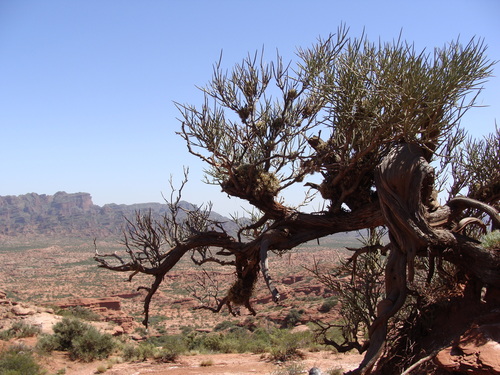
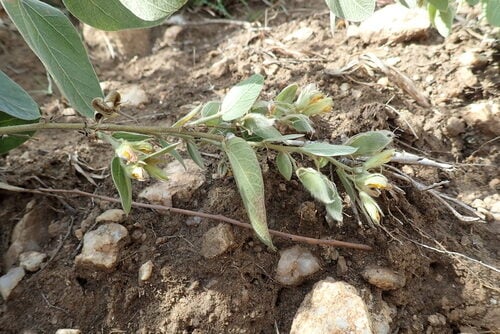
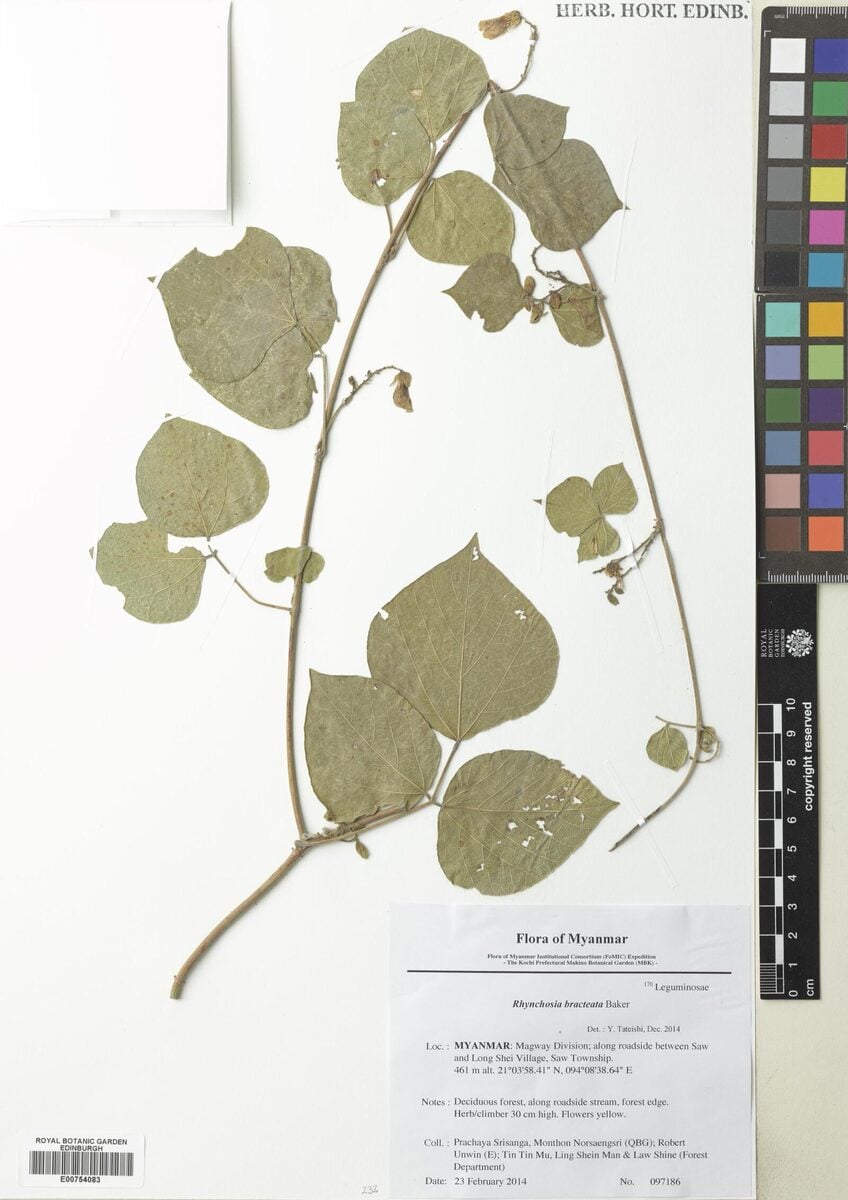
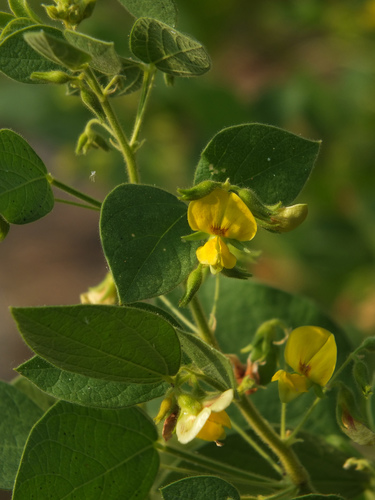
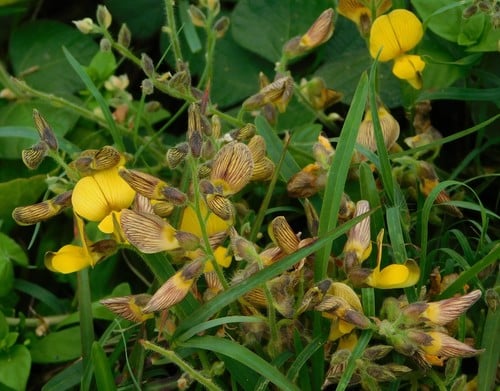
A bean family herb. It grows each year from seed. The leaves are compound. The flowers are pink, blue or white. The pods are small and contain 3-4 seeds each. The seeds are roundish.
Edible Uses
The seeds are cooked and eaten or dried and used like a pulse. The pods are cooked and eaten. The young leaves are cooked and eaten or pickled.
Traditional Uses
The seeds are cooked and eaten. They are also dried and used like a pulse. The pods are cooked and eaten. The young leaves are cooked and eaten. They are also pickled.
Distribution
It is a temperate plant. In the Himalayas it grows between 2,550-4,500 m above sea level.
Where It Grows
Asia, Central Asia, China, Himalayas, India, Kazakhstan, Mongolia, Tajikistan, Tibet,
Nutrition
| Part | Moisture | kJ | kcal | Protein | Vit A | Vit C | Iron | Zinc |
|---|---|---|---|---|---|---|---|---|
| Seed dry wt | — | — | 19.1 | — | — | — | — | — |
Also Known As
Banyarts, Chuktor, Jawane, Kirze, Sarri, Schranak, Serri, Tizhu
References (7)
- Ambasta, S.P. (Ed.), 2000, The Useful Plants of India. CSIR India. p 124
- Kaul, M.K. et al, 1985, Ethno-botanic studies in North-West and Trans-Himalaya - contribution to the wild food plants of Ladakh. J.Econo. Tax. Bot. Vol. 6 No. 3 pp 523-527
- Prodr. 2:354. 1825 (Mem. Legum. 349, t. 54. 1826)
- Rawat, G.S., & Pangtey, Y.P.S., 1987, A Contribution to the Ethnobotany of Alpine Regions of Kumaon. J. Econ. Tax. Bot. Vol. 11 No. 1 pp 139-147
- Singh, H.B., Arora R.K.,1978, Wild edible Plants of India. Indian Council of Agricultural Research, New Delhi. p 21, 81
Show all 7 references Hide references
- Urgamal, M., Oyuntsetseg, B., Nyambayar, D. & Dulamsuren, Ch. 2014. Conspectus of the vascular plants of Mongolia. (Editors: Sanchir, Ch. & Jamsran, Ts.). Ulaanbaatar, Mongolia. “Admon“ Press. 334pp. (p. 121-143).
- Wild edible plants of Himachal Pradesh