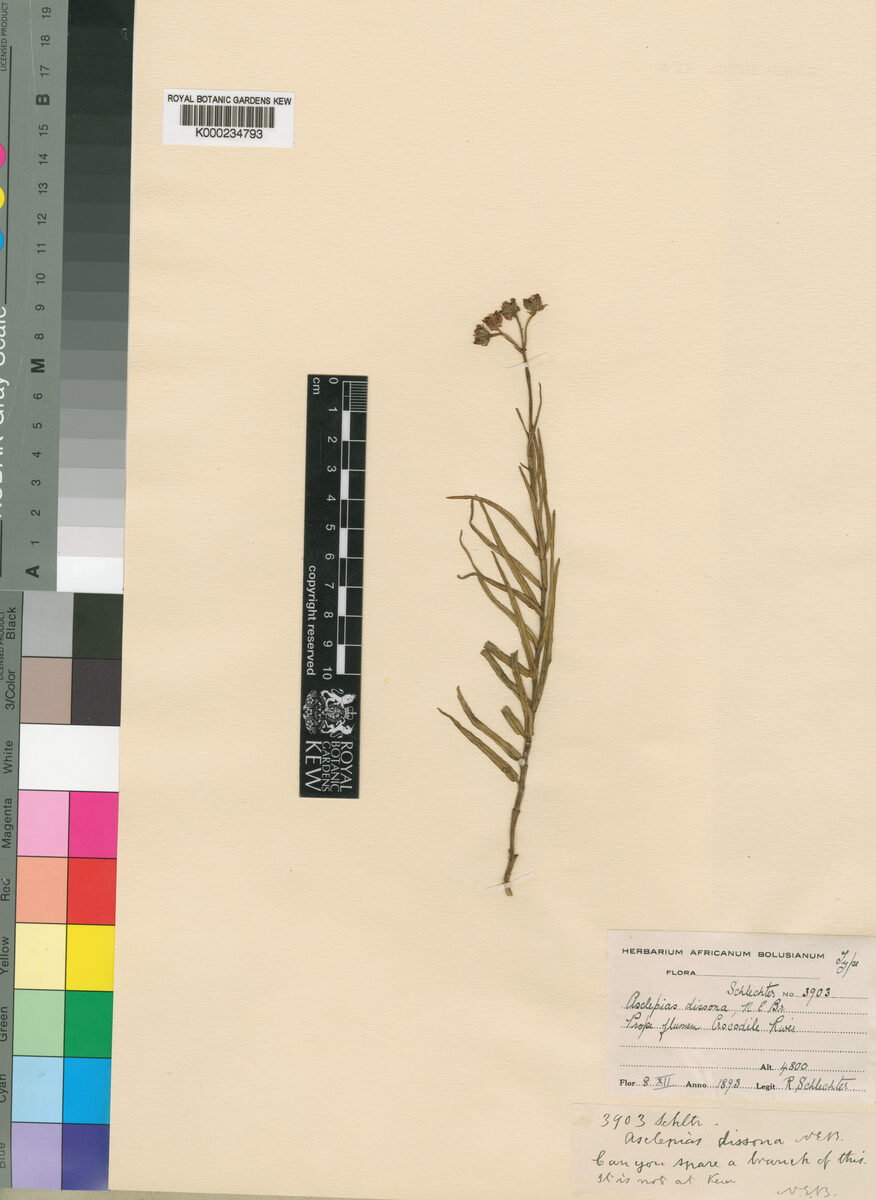
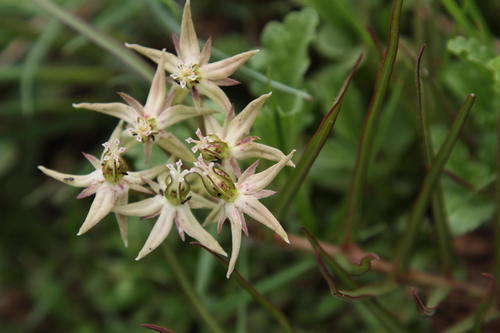
Ceropegia oculata
Hook.
Peacock ceropegia
iNaturalist· cc0
no rights reserved, uploaded by S.MORE
iNaturalist· cc0
no rights reserved, uploaded by S.MORE
iNaturalist· cc0
no rights reserved, uploaded by S.MORE
Description
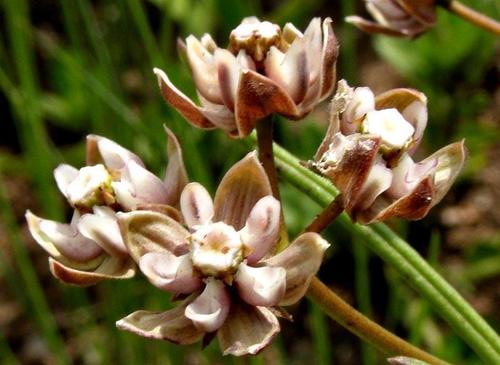
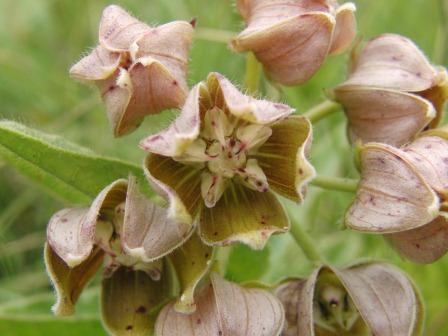
An evergreen vine. It grows 2 m high. The stems are succulent and twining. The leaves are narrow and have blunt tips. They are in pairs. The flowers are tube shaped and green. The lobes spread and unite at the tips.
Edible Uses
The tubers and roots are edible.
Distribution
It is a tropical plant. It is best in well-composted, moist, well-drained soil. It needs a protected sunny position. It is damaged by drought and frost. In southern India it grows at 1,200 m above sea level.
Where It Grows
Africa, Asia, Australia, India,
Cultivation
It can be grown by seeds or cuttings.
Notes
There are about 160-200 Ceropegia species. Probably now in Apocynaceae.
Also Known As
Patala
References (4)
- Bodkin, F., 1991, Encyclopedia Botanica. Cornstalk publishing, p 242
- Jadhav, R., et al, 2015, Forest Foods of Northern Western Ghats: Mode of Consumption, Nutrition and Availability. Asian Agri-History Vol. 19, No. 4: 293-317
- Singh, H.B., Arora R.K.,1978, Wild edible Plants of India. Indian Council of Agricultural Research, New Delhi. p11
- Surveswaran, S., 2007, Molecular phylogenetics and medicinal plants of Asclepiadoideae from India. Ph D thesis University of Hong Kong. p 160