Ceropegia hirsuta
Wt. & Arn.
Hairy ceropegia
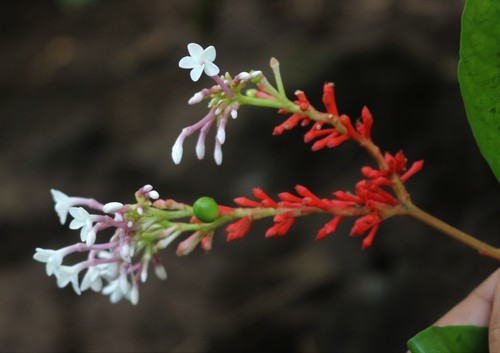
iNaturalist· cc0
no rights reserved, uploaded by S.MORE
iNaturalist· cc-by-nc
(c) Yash Shirodkar, some rights reserved (CC BY-NC)
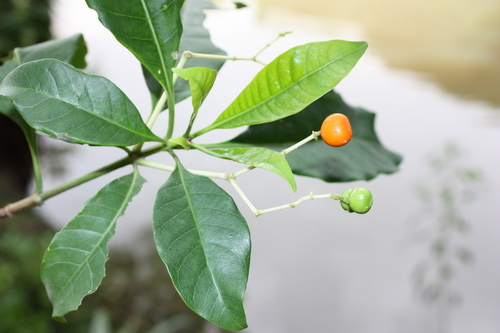
iNaturalist· cc-by-nc
(c) Sandeep sakhare, some rights reserved (CC BY-NC)
Description
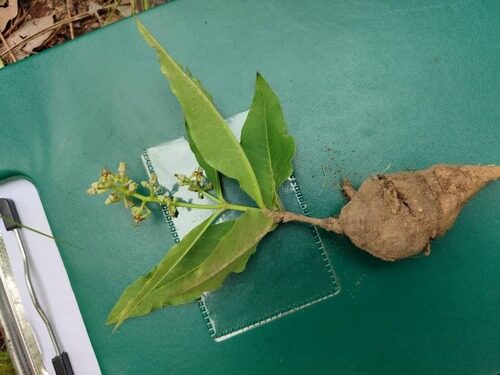
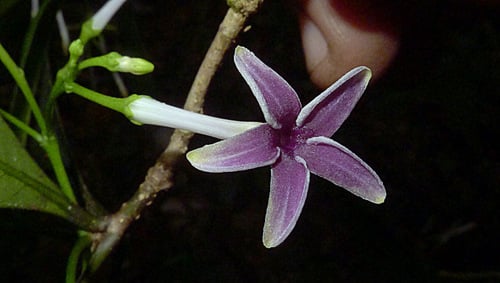
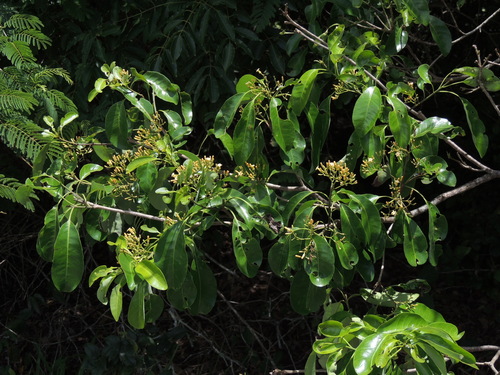
An upright or climbing herb. The stems can be 1 m long. It has an underground tuber. The leaves are oval and 6.5 cm long by 3 cm wide. They are hairy on both sides. The flowers are 5 cm long and swollen in the lower part.
Edible Uses
The tubers are eaten as a vegetable.
Traditional Uses
The tubers are eaten as a vegetable.
This uses section is brief — help expand it
Distribution
It is a tropical plant.
Where It Grows
Asia, India,
Cultivation
Plants can be grown from seed. They can also be grown from stem cuttings.
Production
Tubers 2-3 cm across can be harvested after 2 years.
Notes
There are about 160-200 Ceropegia species. Also put in the family Asclepiadaceae.
Synonyms
Also Known As
Haamana, Hamana, Khantali, Pharbaghaga
References (7)
- Behera K. K., et al, 2008, Wild Edible Plants of Mayurbhanj District, Orissa, India. J. Econ. Taxon. Bot. Vol. 32 (Suppl.) pp 305-314
- Datar, M. N. & Upadhye, A. S., 2015, Forest foods of Northern Western Ghats: Mode of Consumption, Nutrition, and Availability. Asian Agri-History Vol. 19, No. 4, 2015 (293–316)
- Jadhav, R., et al, 2015, Forest Foods of Northern Western Ghats: Mode of Consumption, Nutrition and Availability. Asian Agri-History Vol. 19, No. 4: 293-317
- Rahangdale, D.R. & Rahangdale, S.S., 2014, Potential Wild Edible Plant Resources from Maharashtra Future Prospects for their Conservation and Improvement. Life Science Leaflets. http://lifesciencesleaflets.ning.com
- Seidemann J., 2005, World Spice Plants. Economic Usage, Botany, Taxonomy. Springer. p 93
Show all 7 references Hide references
- Singh, H.B., Arora R.K.,1978, Wild edible Plants of India. Indian Council of Agricultural Research, New Delhi. p11
- Surveswaran, S., 2007, Molecular phylogenetics and medicinal plants of Asclepiadoideae from India. Ph D thesis University of Hong Kong. p 170