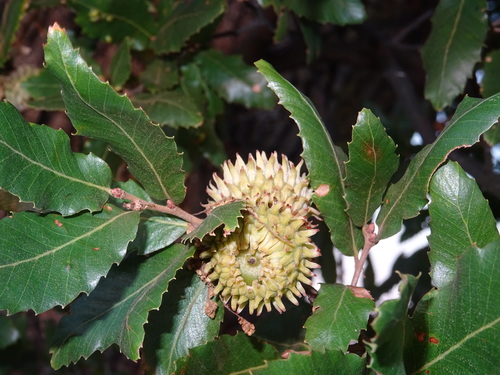
Quercus macrolepis
Kotschy
Camata, Camatina, Valonia oak
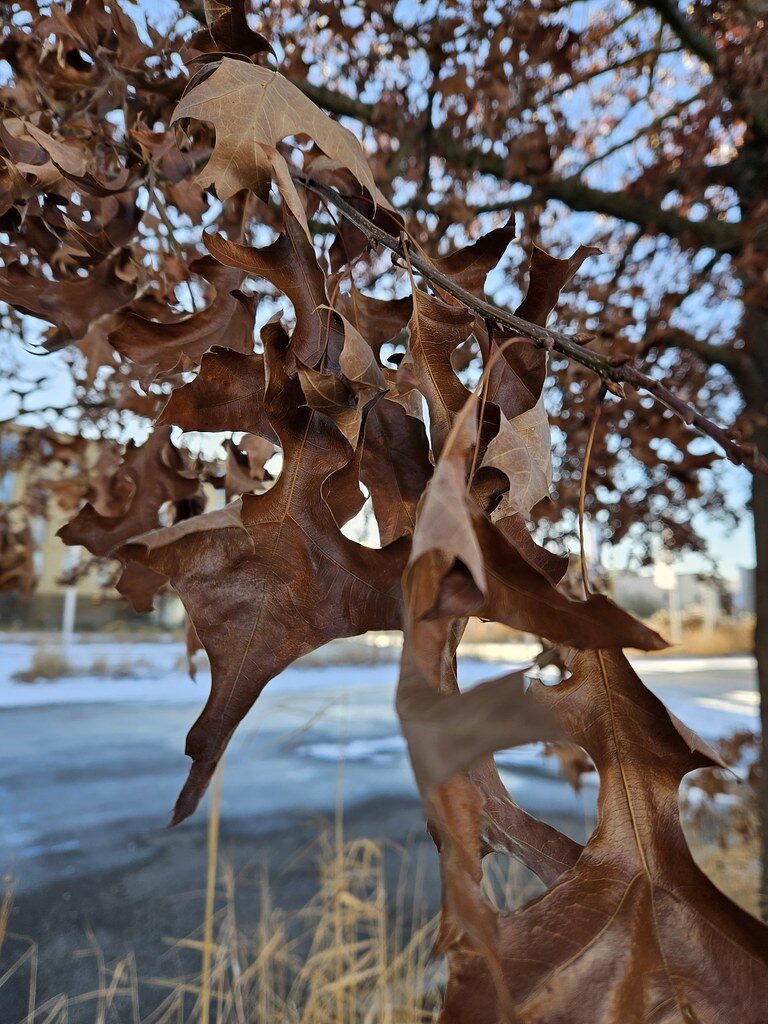
iNaturalist· cc-by-nc
(c) Christian Gilli, some rights reserved (CC BY-NC)
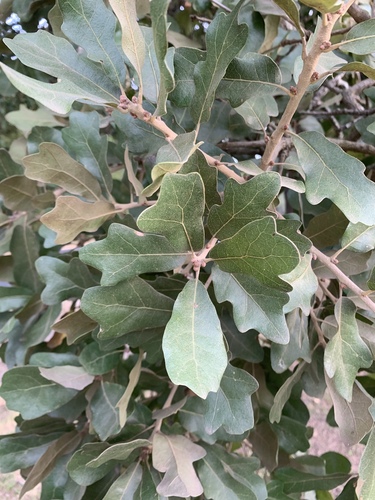
iNaturalist· cc-by-nc
(c) Σάββας Ζαφειρίου (Savvas Zafeiriou), some rights reserved (CC BY-NC)
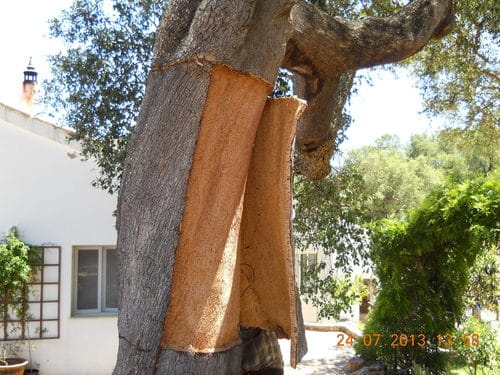
iNaturalist· cc-by-nc
(c) mathias_s, some rights reserved (CC BY-NC)
Description
A temperate oak tree in the Fagaceae family, one of approximately 600 Quercus species.
This description is brief — help expand it
Edible Uses
The cups, known as valonia, are used for tanning and dyeing as are the unripe acorns called camata or camatina. The ripe acorns are eaten raw or boiled.
Traditional Uses
The nuts are eaten raw or boiled. The tree is also the source of an edible manna.
This uses section is brief — help expand it
Distribution
It is a temperate plant.
Where It Grows
Aegean, Asia, Balkans, Europe, Mediterranean,
Notes
There are about 600 Quercus species.
References (4)
- Eich. Eur. Orient. 4: t. 16. 1860-1861
- Facciola, S., 1998, Cornucopia 2: a Source Book of Edible Plants. Kampong Publications, p 116
- Rivera, D. et al, 2006, Gathered Mediterranean Food Plants - Ethnobotanical Investigations and Historical Development, in Heinrich M, Müller WE, Galli C (eds): Local Mediterranean Food Plants and Nutraceuticals. Forum Nutr. Basel, Karger, 2006, vol 59, pp 18–74
- Wickens, G.E., 1995, Edible Nuts. FAO Non-wood forest products. FAO, Rome. p 129