Corypha lecomtei
Beccari
Lecomte palm
iNaturalist· cc-by-nc
(c) Tobias Spanner, some rights reserved (CC BY-NC), uploaded by Tobias Spanner
wikimedia· cc-by
Wikimedia Commons - 7 july :-)
Summary
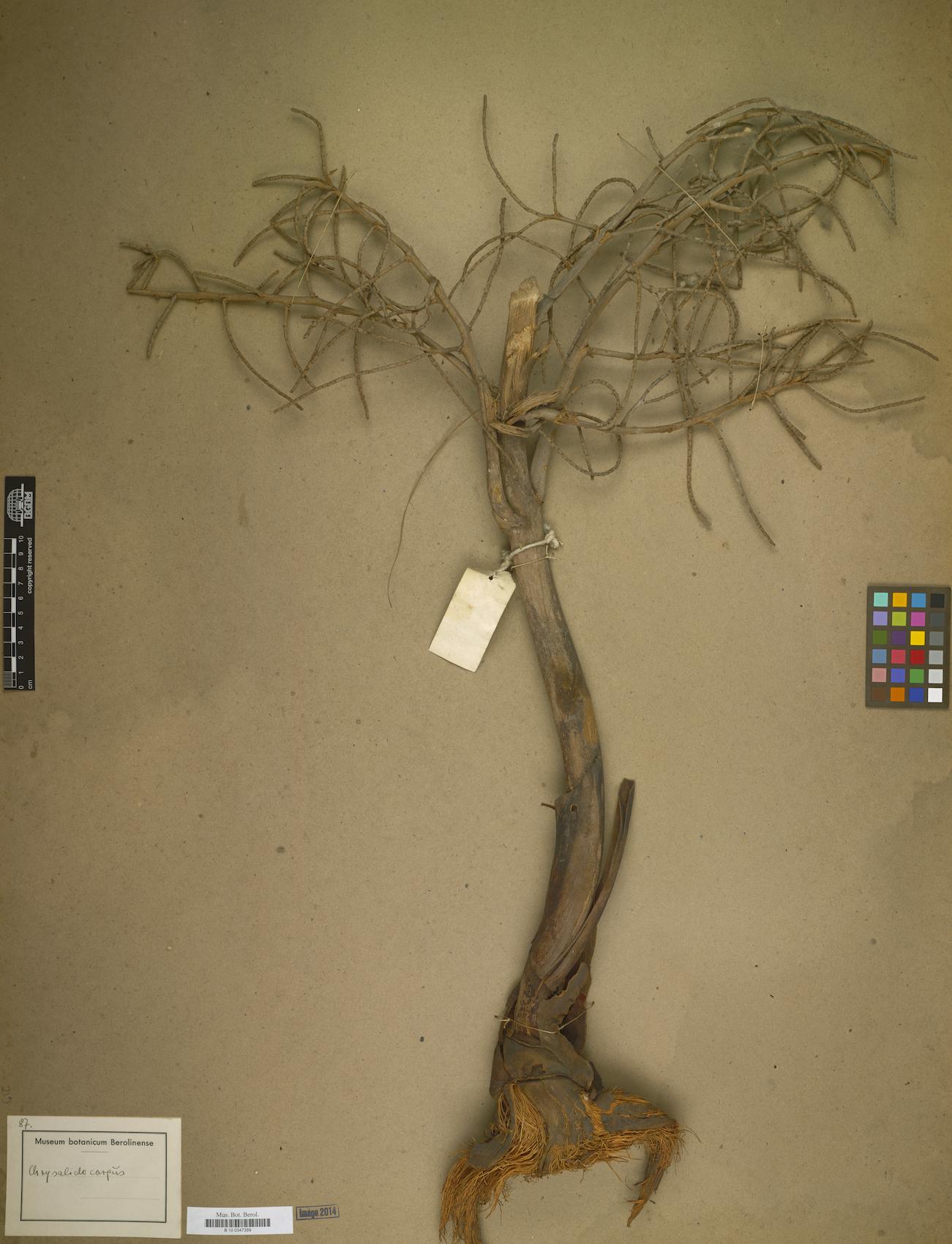
Source: WikipediaCorypha lecomtei (common name Cay la buong) is a species of plant in the family Arecaceae. It is native to Thailand, Cambodia and Vietnam. It is threatened by habitat loss. Although known locally for centuries, it was formally described in 1916 by the botanist Odoardo Beccari. Corypha lecomtei is one of the species used to make palm-leaf manuscripts.
Description
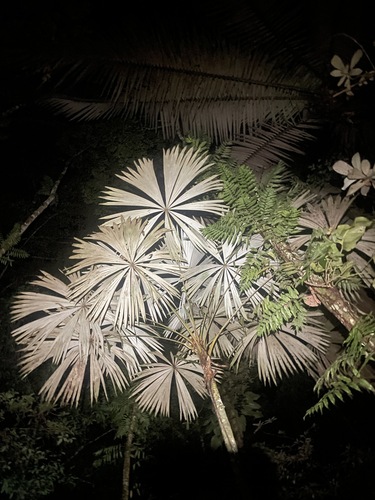
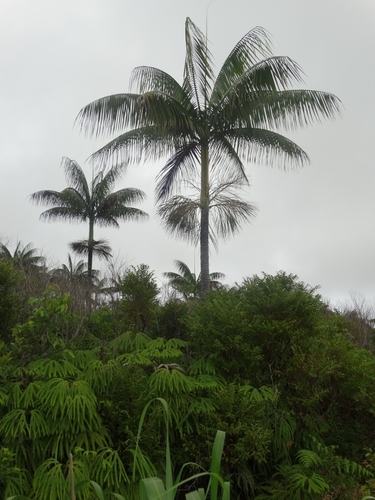
A solitary fan palm. It grows 10-15 m high. The trunk is 40-60 cm across. There are 15-25 leaves in the crown. The leaf stalk is 8 m long. The leaf blade is 4.5 cm long and has 50 segments. The flowering stalk is about 2.5 m long. The fruit are 3-5 cm across.
Edible Uses
Starch is extracted from the stem and eaten. Sap can be collected from the flower stalk.
Traditional Uses
The starch extracted from the stem is edible. The sap can be collected from the flower stalk.
This uses section is brief — help expand it
Distribution
It is a tropical plant. It grows in seasonally dry monsoon forests and open areas along rivers and flood plains. It grows between 100-600 m above sea level.
Where It Grows
Asia, Cambodia, Indochina, Indonesia, Laos, SE Asia, Thailand, Vietnam,
Cultivation
Plants are grown from seeds.
Notes
There are 6-8 Corypha species.
Synonyms
Also Known As
La buong, Lan, Las bun, Palem corypha, Samla:ng, Treang
References (4)
- Johnson, D.V., 1998, Tropical palms. Non-wood Forest products 10. FAO Rome. p 46
- Kachenchart, B., et al, 2008, Phenology of Edible Plants at Sakaerat Forest. In Proceedings of the FORTROP II: Tropical Forestry Change in a Changing World. Bangkok, Thailand.
- PROSEA handbook Volume 9 Plants yielding non-seed carbohydrates. p165
- Sukarya, D. G., (Ed.) 2013, 3,500 Plant Species of the Botanic Gardens of Indonesia. LIPI p 773