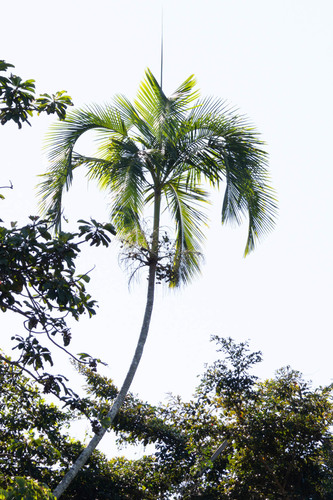
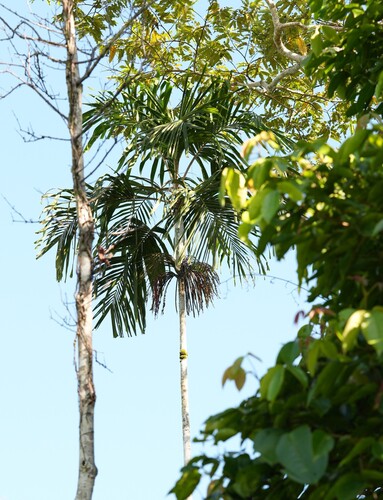
Areca macrocarpa
Becc.
Bungang-lakihan
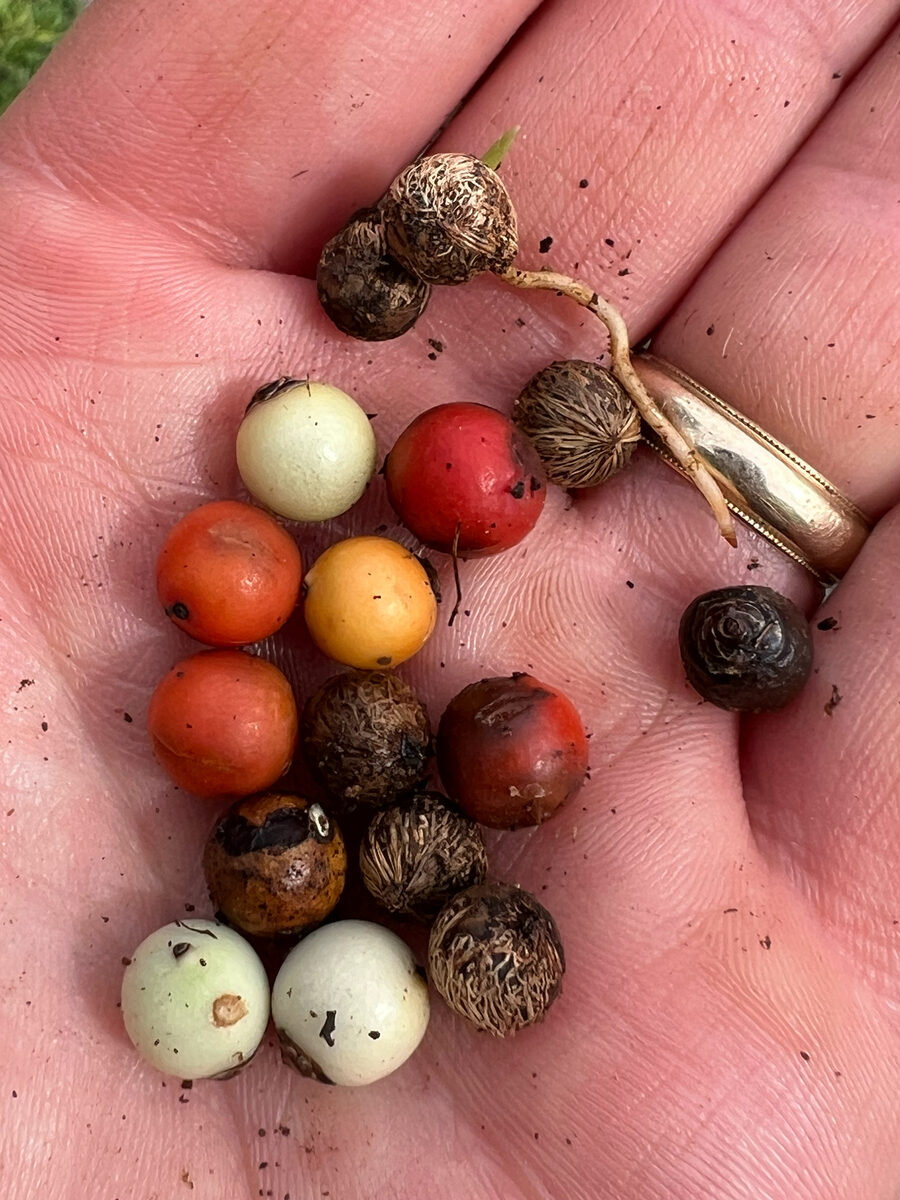
iNaturalist· cc-by-nc
(c) shiveshnair, some rights reserved (CC BY-NC)
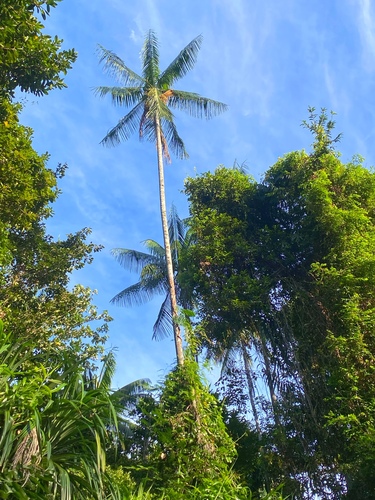
iNaturalist· cc-by-nc
(c) shiveshnair, some rights reserved (CC BY-NC)
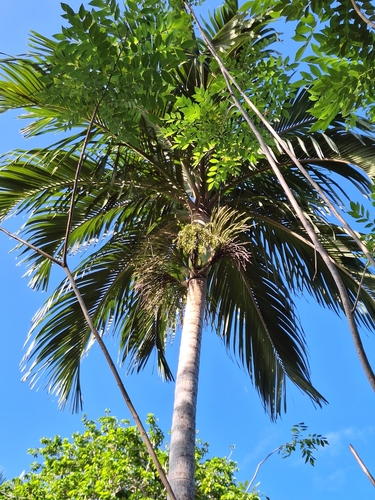
iNaturalist· cc-by-nc
(c) shiveshnair, some rights reserved (CC BY-NC)
Description
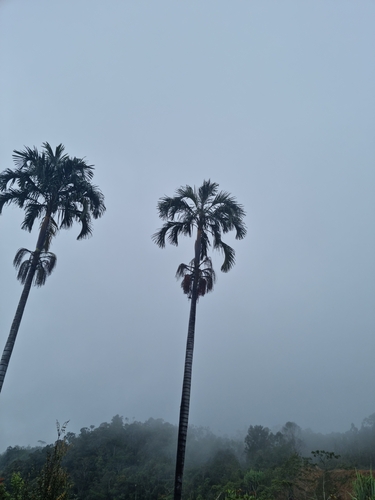
A cluster palm. It forms clumps of slender stems. The crowns overlap with dark green leaves. The fruit are 7 cm long by 3.5 cm wide.
This description is brief — help expand it
Edible Uses
The nuts are occasionally used as a betel substitute. The palm heart is edible, as is the cabbage (heart of palm).
Traditional Uses
The nut is occasionally used as a betel substitute. The palm heart is edible
This uses section is brief — help expand it
Distribution
A tropical plant. It needs hot humid conditions. It needs a deep soil rich in organic matter.
Where It Grows
Asia, Pacific, Philippines, SE Asia,
Notes
There are 60 Areca species. They are tropical.
References (4)
- Haynes, J., & McLaughlin, J., 2000, Edible palms and Their Uses. University of Florida Fact sheet MCDE-00-50-1 p 2
- Johnson, D.V., 1998, Tropical palms. Non-wood Forest products 10. FAO Rome. p 44
- Jones, D.L., 1994, Palms throughout the World. Smithtonian Institution, Washington. p 130
- Jones, D.L., 2000, Palms of Australia 3rd edition. Reed/New Holland. p 116