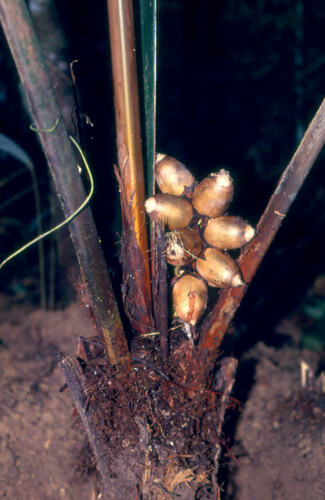
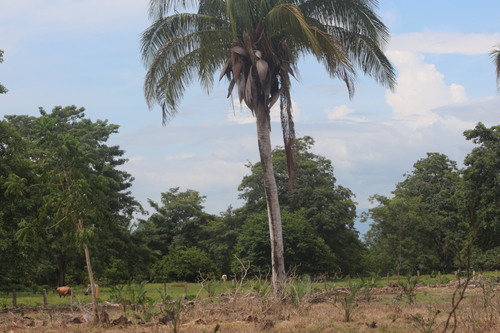
Pinanga manii
Becc.
iNaturalist· cc-by
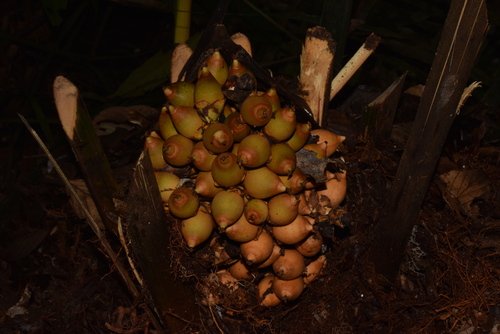
(c) T R Shankar Raman, some rights reserved (CC BY), uploaded by T R Shankar Raman
iNaturalist· cc-by
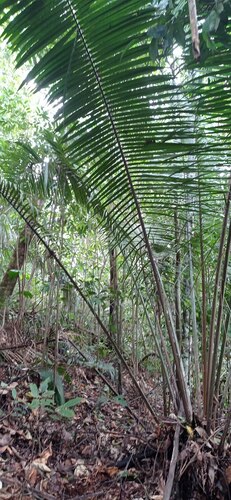
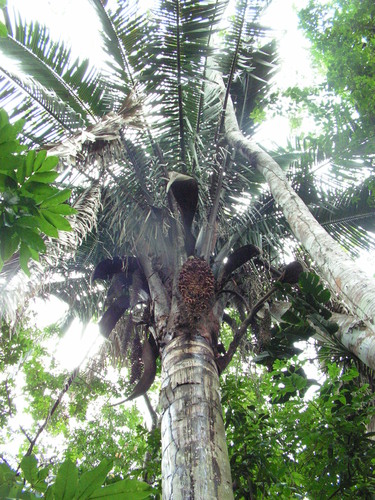
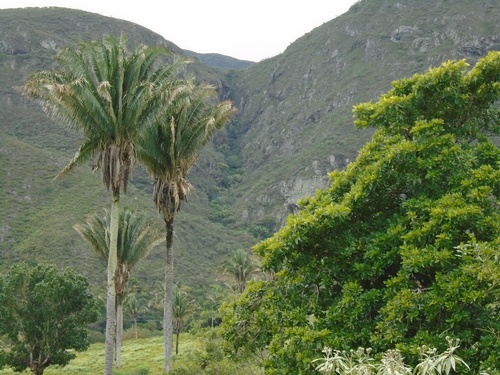
(c) T R Shankar Raman, some rights reserved (CC BY)
Description
A tropical palm in the Arecaceae family that grows at low altitudes. The nuts and shoots are edible parts.
This description is brief — help expand it
Edible Uses
The palm hearts are eaten. The palm heart (the inner core and growing bud of the plant) is harvested. It provides a crispy food, rich in nutrients, that can be eaten raw or cooked. Harvesting the heart will lead to the death of the plant since it is unable to produce new shoots. The seeds are chewed as a substitute for betel nut (Areca catechu).
Traditional Uses
The nuts are used as a betel substitute.
This uses section is brief — help expand it
Distribution
A tropical plant. It grows at low altitudes.
Where It Grows
Asia, Andamans, India,
Cultivation
Pinanga manii is a plant of the humid tropics, where it is found at low elevations. Species in this genus generally require a warm, sheltered position with at least moderate shade, especially when young. They grow best in a circumneutral, moist but well-drained soil and strongly dislike dry conditions.
Other Uses
The leaves are used for thatching. The stems are used for construction. The stems are used for fencing and fenceposts.
Synonyms
References (2)
- Arora, K., Indigenous Forest Management in the Andaman and Nicobar Islands, India.
- Johnson, D.V., 1998, Tropical palms. Non-wood Forest products 10. FAO Rome. p 40