Prestoea longipetiolata
(Oerst.) H. E. Moore
Surtua
gbif· cc-by
The New York Botanical Garden
gbif· cc-by
The New York Botanical Garden
gbif· cc-by
The New York Botanical Garden
Description
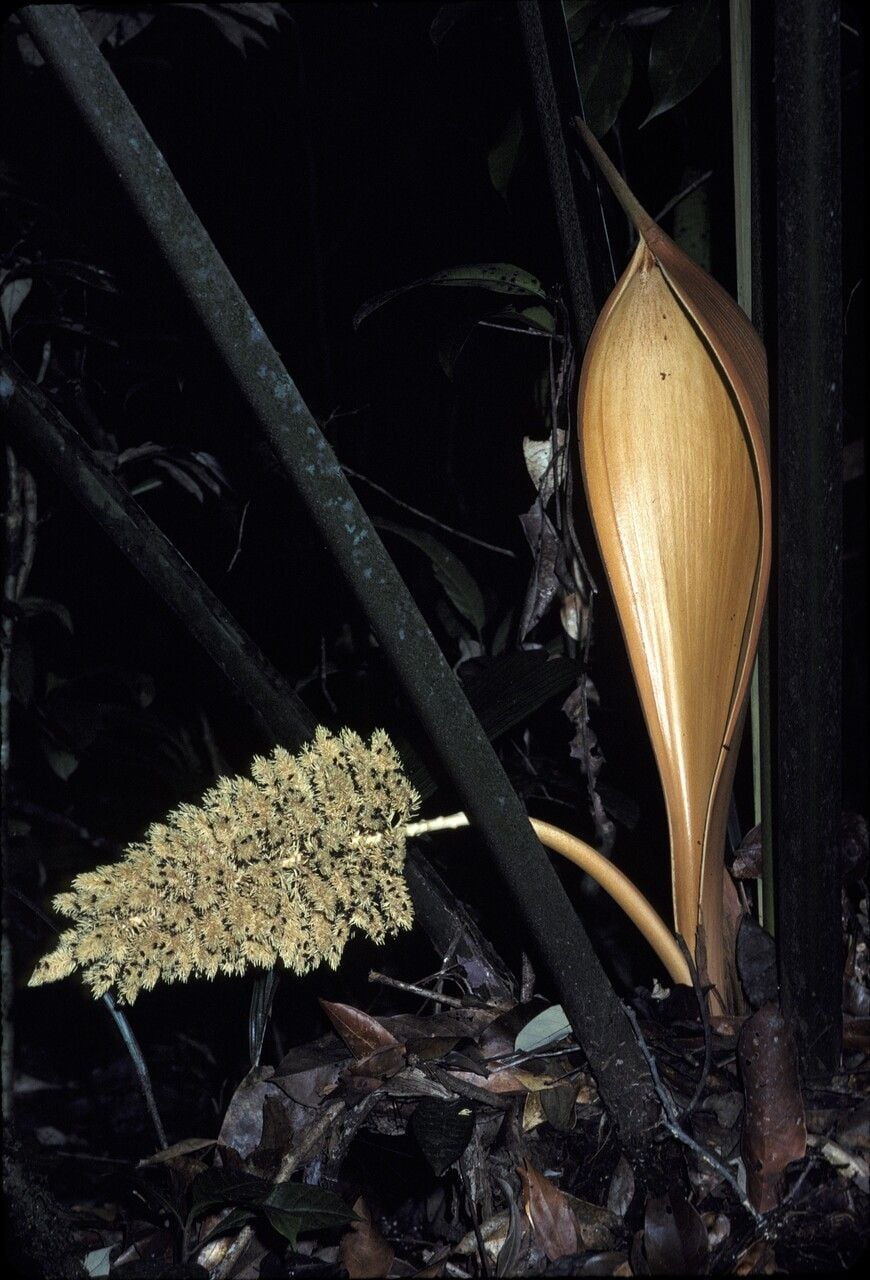
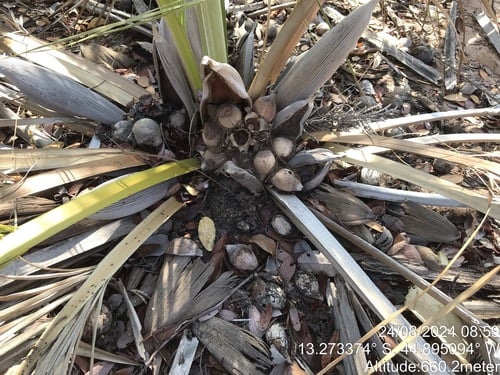
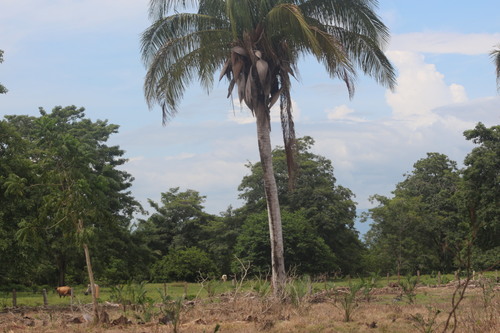
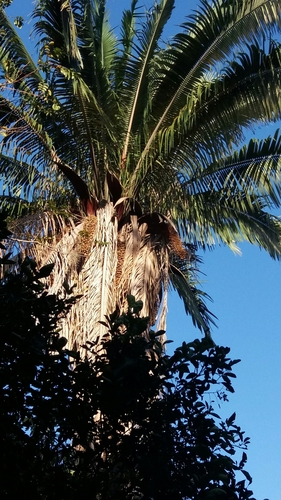
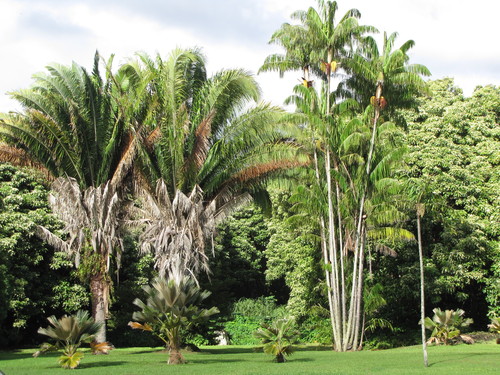
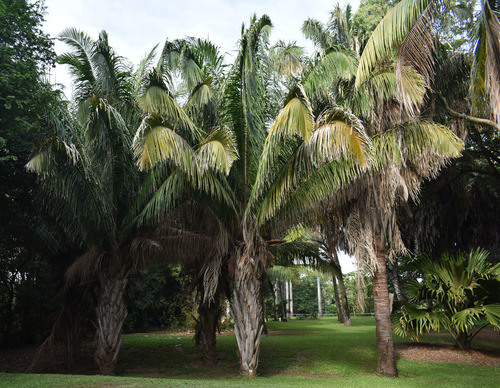
A palm. It can have one or several stems. These are 0.5-5 m tall. They are 2-5 cm wide. There are 4-6 leaves. The leaf sheath is open and does not form a crown-shaft. There are 17-33 narrow leaflets along each side. The flowering stalk is erect but arches over when carrying fruit. The fruit are round and 0.8-1 cm across. They are purple black.
Edible Uses
The palm heart (cabbage) is eaten.
Known Hazards
This species has become rare from harvesting palm hearts.
Distribution
A tropical plant. It grows in mountain rainforest on steep slopes. It grows mainly between 1,000-1,500 m altitude.
Where It Grows
Central America, Costa Rica, Nicaragua, Panama,
Notes
It has become a rare palm from harvesting palm hearts.
Synonyms
References (3)
- Balick, M.J. and Beck, H.T., (Ed.), 1990, Useful palms of the World. A Synoptic Bibliography. Colombia p 437 (As Euterpe longipetiolata), 658 (As Euterpe longipetiolata),
- Grayum, M. H., 2000, MBG: Research: Manual de Plantas de Costa Rica: Draft Treatments p 22
- Henderson, A., Galeano, G and Bernal, R., 1995, Field Guide to the Palms of the Americas. Princeton. p 127