Ziziphus quadrilocularis
F. Muell.
Muturrku, Karrajkarraj
wikimedia· pd
Curtis’s botanical magazine; or flower garden displayed. London, 1816, volume 43 (plate 1823). (via Wikimedia Commons)
Summary
Source: WikipediaZiziphus quadrilocularis is a flowering plant endemic to Australia. Its name in the indigenous Wardaman language is Mardarrgu.
Description
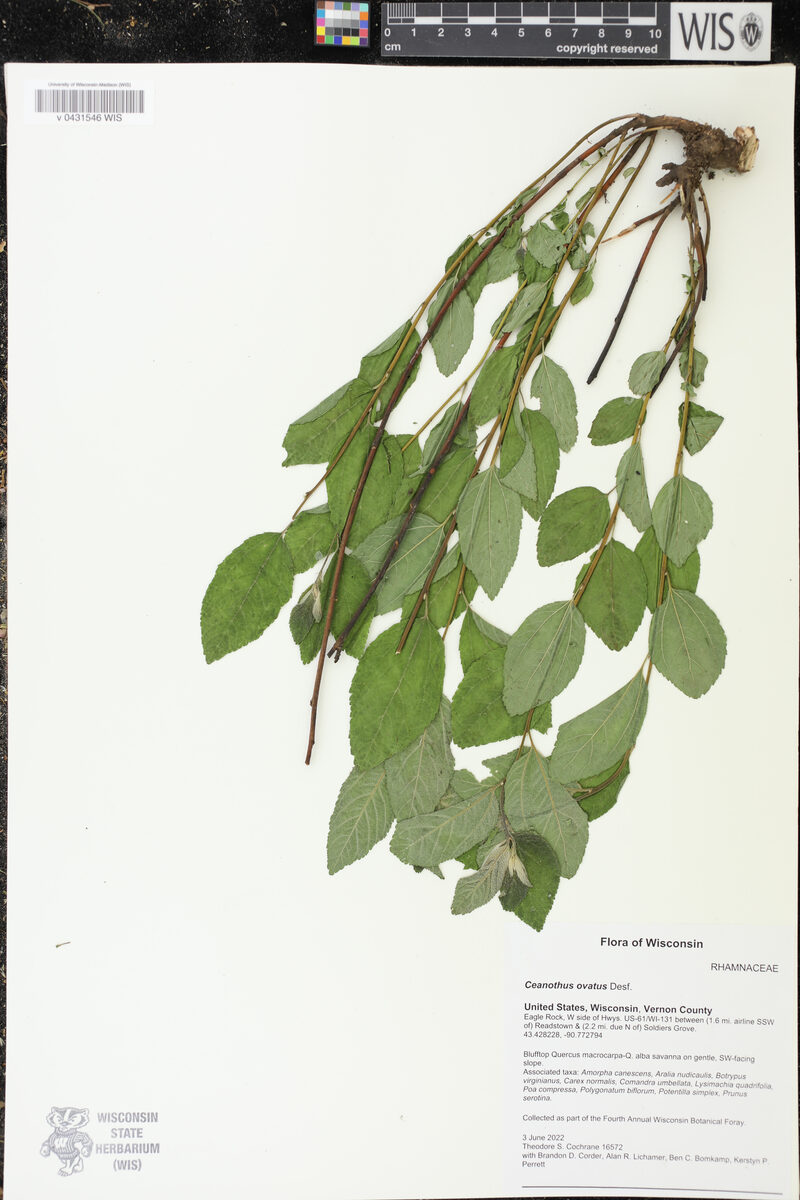
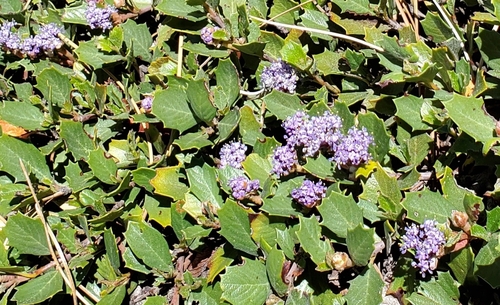
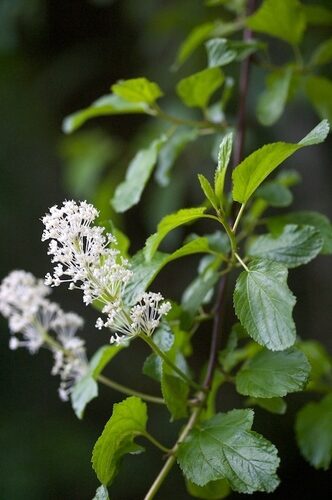
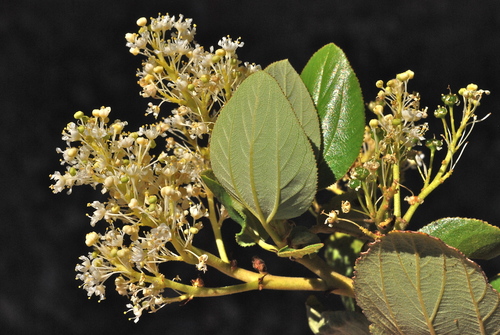
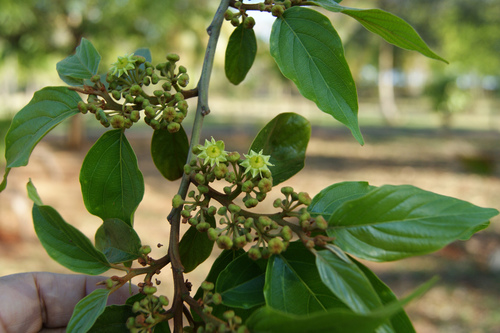
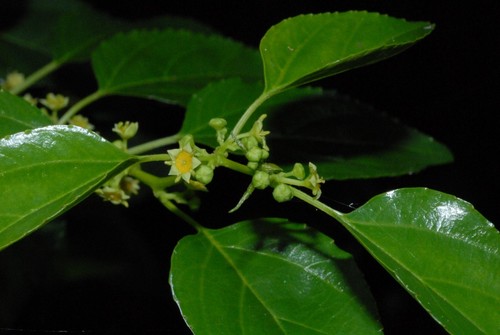
A spiny tree or shrub. It loses is leaves during the year. It grows 2-12 m tall. The leaves are 4-9 cm long by 2-5 cm wide. They have 3 main veins. The young leaves are hairy underneath. The flowering shoots are 1-2 cm long. The petals are spoon shaped and 1.5 mm long. The flowers are white or yellow or green. The fruit is a flattened round shape and 2-3 cm across. The seeds are flat and 7-8 mm across. They are enclosed in a stone 15 mm across.
Edible Uses
The ripe fruit are eaten fresh and raw, or boiled with water and a little sugar added before eating.
Traditional Uses
The ripe fruit are eaten fresh and raw. The ripe (brown) fruit are boiled with some water with a little sugar added, then eaten.
This uses section is brief — help expand it
Distribution
It is a tropical plant. It grows on basalt or sandstone. It is often along watercourses. It grows from sea level to 200 m above sea level.
Where It Grows
Australia*,
References (5)
- Paczkowska, G . & Chapman, A.R., 2000, The Western Australian Flora. A Descriptive Calatogue. Western Australian Herbarium. p 511
- Smith, N. M., 1991, Ethnobotanical Field Notes from the Northern Territory, Australia, J. Adelaide Bot. Gard. 14(1): 1-65
- Smith, Nicholas et al. 1993, Ngarinyman Ethnobotany: Aboriginal Plant Use from the Victoria River Area Northern Australia. Northern Territory Botanical Bulletin No 16. Parks and Wildlife Commission of the Northern Territory. p 47, 48.
- Wheeler, J.R.(ed.), 1992, Flora of the Kimberley Region. CALM, Western Australian Herbarium, p 632
- Wightman, Glenn et al. 1994, Gurindji Ethnobotany: Aboriginal Plant Use from Daguragu Northern Australia. Northern Territory Botanical Bulletin No 18. Parks and Wildlife Commission of the Northern Territory. p 55, 54.