Zingiber odoriferum
Blume
Balakatoa
iNaturalist· cc-by-nc
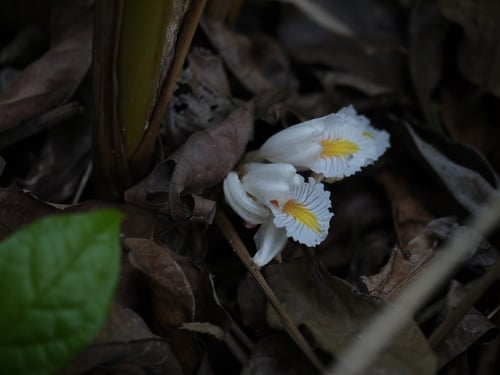
(c) Hani Ristiawan, some rights reserved (CC BY-NC), uploaded by Hani Ristiawan
iNaturalist· cc-by-nc
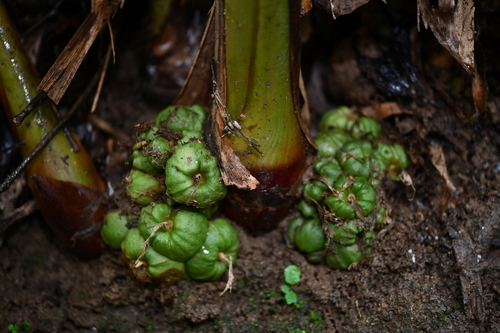
(c) Hani Ristiawan, some rights reserved (CC BY-NC), uploaded by Hani Ristiawan
Description
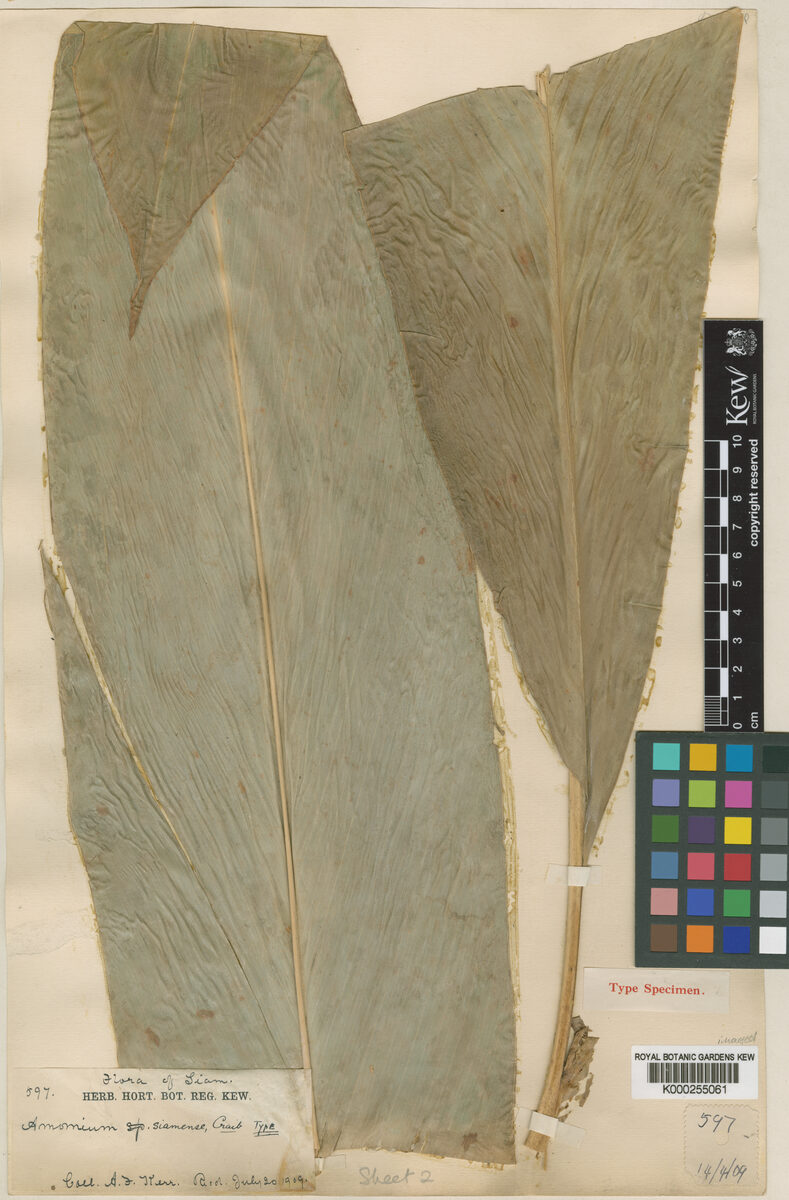
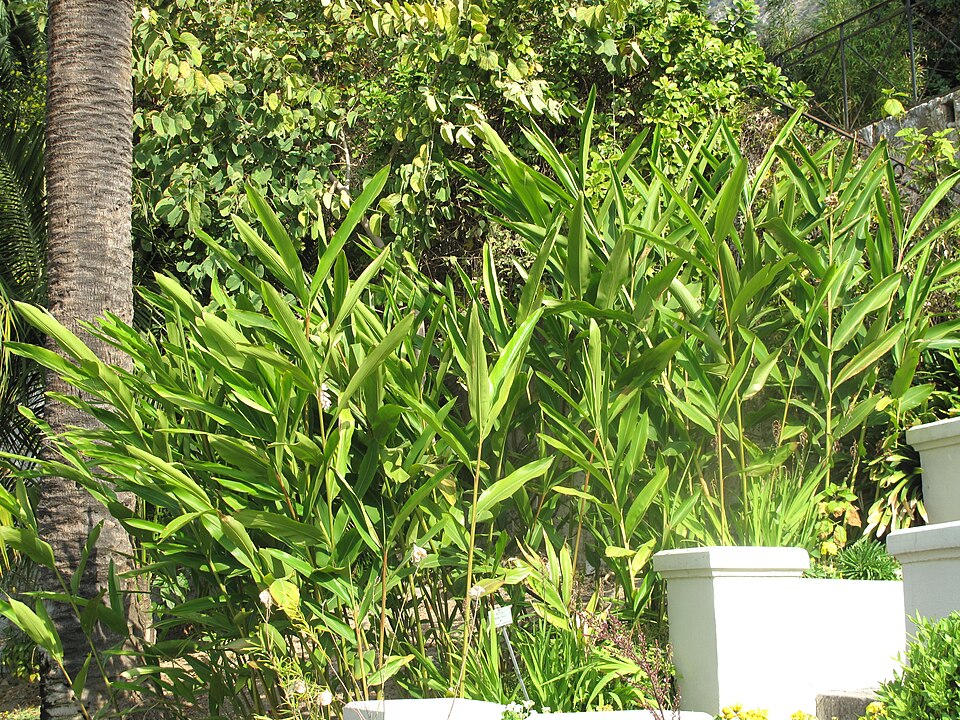
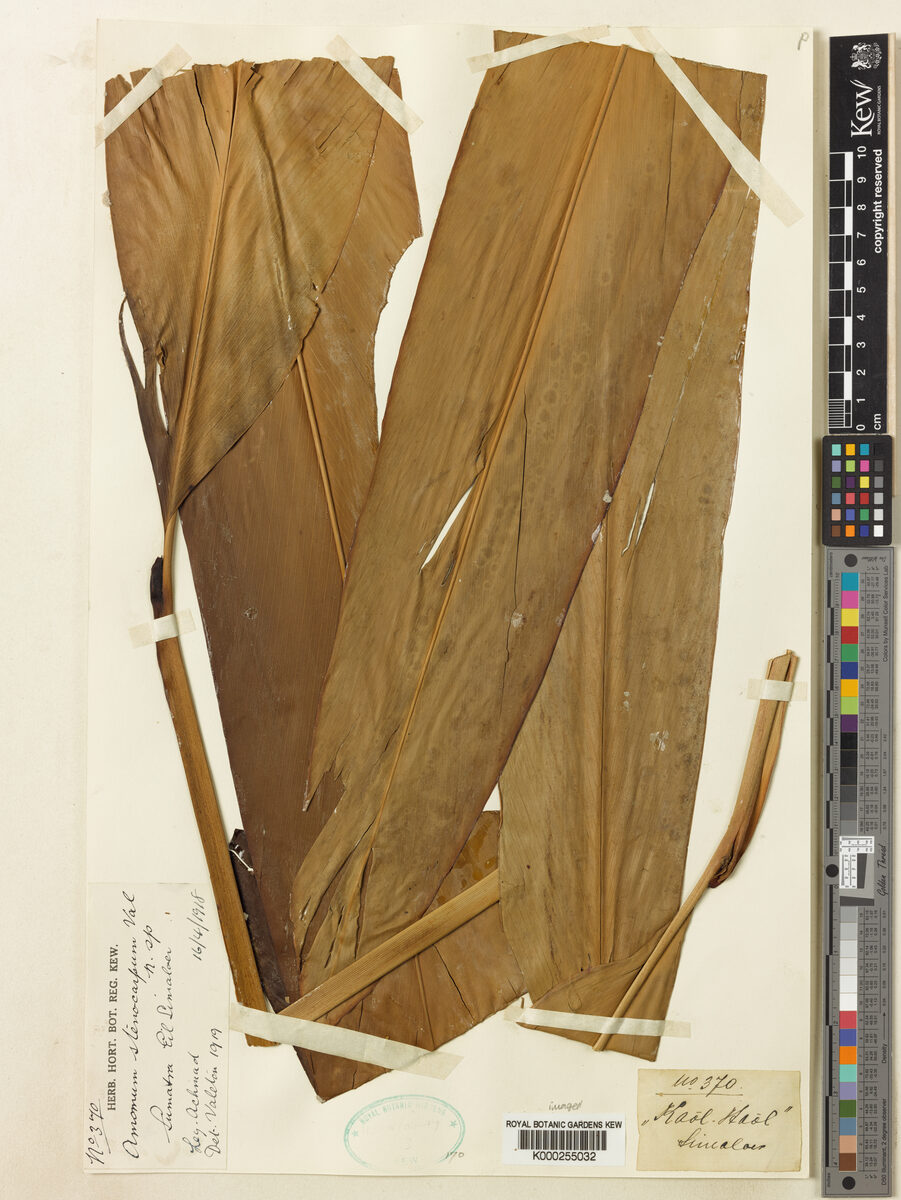
A robust ginger family herb. It keeps growing from year to year. It can grow 3 m tall. The rhizome or underground stem is strongly branched. The leaves are broadly sword shaped and 15-47 cm long by 3-7 cm wide. They have a strong scent when bruised. The fruit spikes are narrow and cylinder shaped. They are 9-20 cm long. They are on a robust 1 m long stalk. The fruit is like a berry. It is 2 cm across. The seeds are angular and 5 mm long.
Edible Uses
The ripe and unripe fruits are eaten with rice. The very young stem parts are eaten as a vegetable. The flower buds are eaten raw or steamed.
Traditional Uses
The salt fruit, ripe and unripe, are eaten with rice. The very young stem parts are eaten as a vegetable. The flower buds are eaten raw or steamed.
Distribution
A tropical plant. It grows in primary and secondary forest up to 1,500 m altitude.
Where It Grows
Andaman Is., Asia, Indonesia*, SE Asia,
Notes
There are about 100-150 Zingiber species.
Synonyms
Also Known As
Tolol, Tongtak
References (4)
- Ochse, J. J. et al, 1931, Vegetables of the Dutch East Indies. Asher reprint. p 763
- PROSEA No 2
- Terra, G.J.A., 1973, Tropical Vegetables. Communication 54e Royal Tropical Institute, Amsterdam, p 83
- World Checklist of Useful Plant Species 2020. Royal Botanic Gardens, Kew