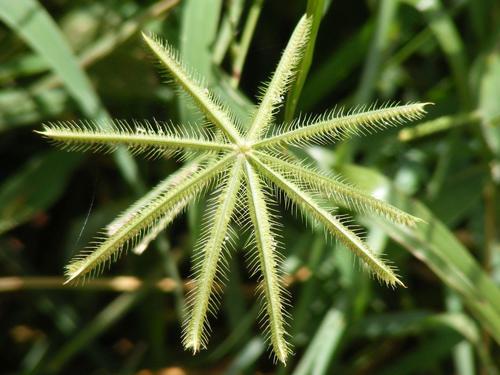
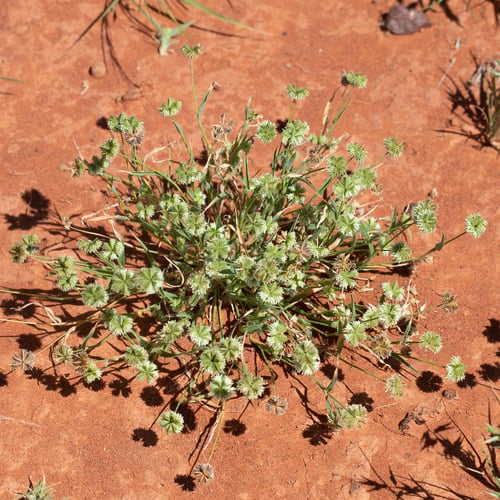
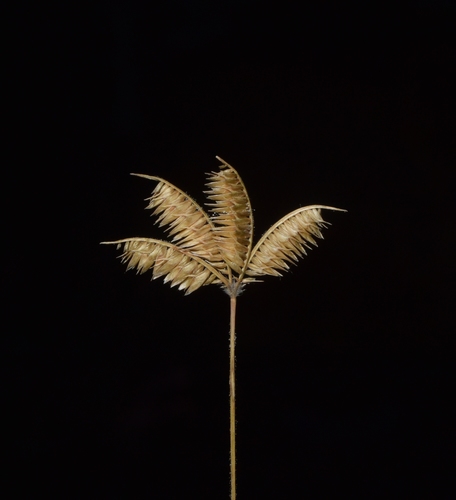
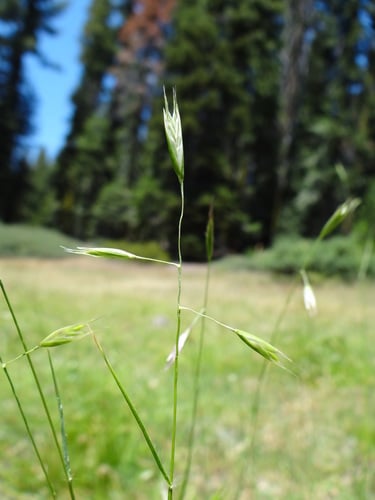
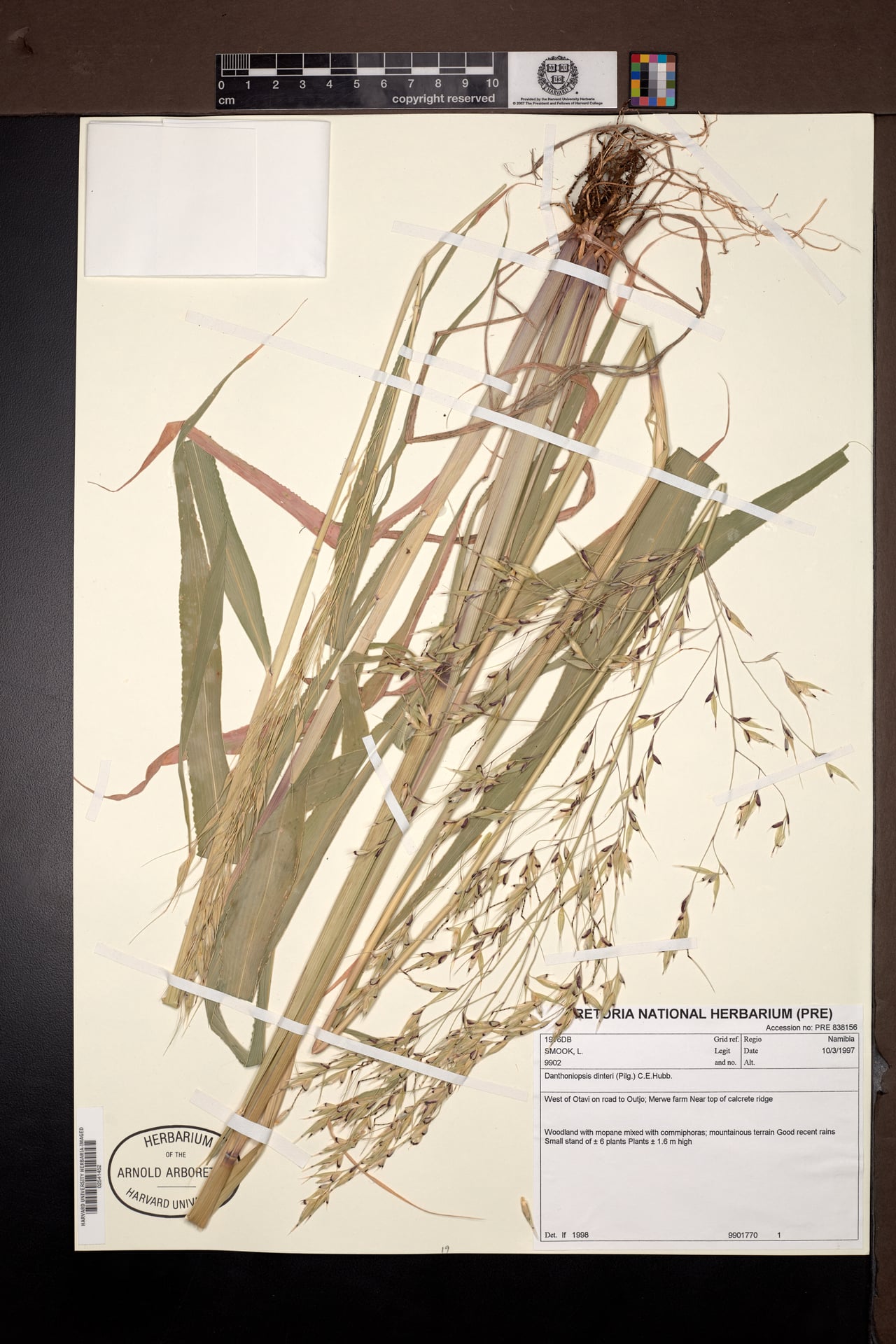
Chimonobambusa quadrangularis
(Franceschi) Makino
Square-stemmed bamboo
iNaturalist· cc-by-nc
(c) Stargazer, some rights reserved (CC BY-NC), uploaded by Stargazer
iNaturalist· cc-by-sa
(c) harum.koh, some rights reserved (CC BY-SA), uploaded by harum.koh
iNaturalist· cc-by-nc
(c) Colin Ogle, some rights reserved (CC BY-NC), uploaded by Colin Ogle
Summary
Source: WikipediaChimonobambusa quadrangularis, commonly called square bamboo or shidakudake, is a bamboo in the family Poaceae, native to China and Taiwan, and naturalized to Japan. It is one of the very few monocots to have square stems. These stems, or culms are up to 9 m (30 ft) in height and 5 cm (2 in) in diameter.
Description
A bamboo. It can be 10 m tall. The culms have prominent nodes. Mature culms are almost square in cross section. New culms are purple. The culms are 5 cm across. There are spines which curve backwards near the base.
Edible Uses
The young shoots are cooked and make an excellent relish. The canes grow up to 20mm in diameter.
Traditional Uses
The young shoots are peeled and boiled. They are used in stews.
This uses section is brief — help expand it
Medicinal Uses
None known
Distribution
It is a temperate plant. It is hardy to -15°C. It grows between 1,000-2,000 m altitude in Japan. It does best in a moist soils and slightly shady location. It suits hardiness zones 7-10. In Yunnan.
Where It Grows
Asia, Australia, Caucasus, China*, Europe, India, Indochina, Japan, New Zealand, North America, SE Asia, Taiwan, Vietnam,
Cultivation
Plants are grown by division.
Propagation
Surface sow seed as soon as it is ripe in a greenhouse at about 20°c, keeping the compost consistently moist. Germination usually occurs fairly quickly with good-quality seed, though it can take 3–6 months. Grow seedlings on in a lightly shaded greenhouse position until large enough to plant out. Seed is rarely available. Divide in spring as new growth begins, taking divisions with at least three canes and disturbing the main plant's roots as little as possible. Grow divisions in light shade in a greenhouse in pots of high-fertility sandy medium, misting the foliage regularly until established. Plant out when a good root system has developed, which can take a year or more. Basal cane cuttings and rhizome cuttings can also be used.
Other Uses
The canes make good plant supports and are excellent material for handicrafts. The plant can also be grown as a hedge or screen.
Production
It grows for more than 100 years before flowering.
Other Information
Shoots are sold in markets. It is a cultivated plant.
Notes
There are about 10-40 Chimonobambusa species.
Synonyms
Also Known As
Aka, Bambu persegi, Fang Zhu, Shikakudake, Shino-chiku, Square bamboo
References (12)
- Arora, R. K., 2014, Diversity in Underutilized Plant Species - An Asia-Pacific Perspective. Bioversity International. p 38
- Bot. Mag. (Tokyo) 28:153. 1914
- Crawford, M., 1997, Bamboos. 2nd edition Agroforestry Research Trust, Totnes, Devon.
- Cundall, P., (ed.), 2004, Gardening Australia: flora: the gardener's bible. ABC Books. p 371
- Hibbert, M., 2002, The Aussie Plant Finder 2002, Florilegium. p 66
Show all 12 references Hide references
- http://www.plantnames.unimelb.edu.au/sorting/Bamboos_Edible.html
- Levy-Yamamori, R., & Taaffe, G., 2004, Garden Plants of Japan. Timber Press. p 365
- Ryan, S., 2008, Dicksonia. Rare Plants Manual. Hyland House. p 84
- Sukarya, D. G., (Ed.) 2013, 3,500 Plant Species of the Botanic Gardens of Indonesia. LIPI p 839
- Valder, P., 1999, The Garden Plants of China. Florilegium. p 96
- Wiersema, J. H. & Leon, B., 2013, World Economic Plants. A Standard Reference CRC Press. 2nd Ed. p 169
- Xu, You-Kai, et al, 2004, Wild Vegetable Resources and Market Survey in Xishuangbanna, Southwest China. Economic Botany. 58(4): 647-667.