Xysmalobium heudelotianum
Decne.
iNaturalist· cc-by-nc
(c) Mark Hyde, Bart Wursten and Petra Ballings, some rights reserved (CC BY-NC)
Description
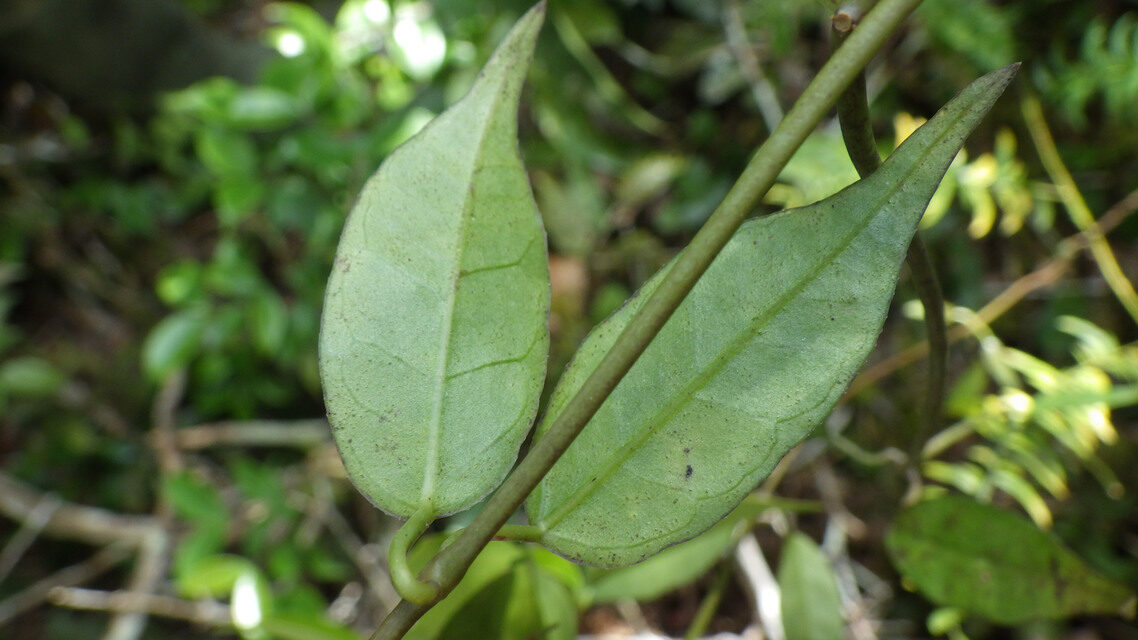
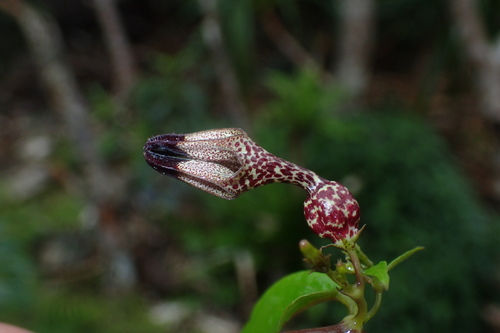
A herb or shrub. The stems are up to 1 m high. They are hairy. The leaves are widely spreading. The leaf blade is 5-8 cm long and narrowly oval. The edges curl. There are 10-12 flowers in a group. The fruit are follicles that usually occur singly. They are 12 cm long and 1 cm wide. They are thick at the middle and taper to both ends. The seeds are flat and oval with wings along the edges.
Edible Uses
The watery, turnip-shaped root is eaten.
Traditional Uses
The watery, turnip-shaped root is eaten.
This uses section is brief — help expand it
Medicinal Uses
The small tuberous root is stomachic and a bitter tonic. It is cooked and eaten as a treatment for stomach troubles.
Distribution
A tropical plant. It grows in tropical Africa.
Where It Grows
Africa, Burkina Faso, East Africa, Gambia, Niger, Nigeria, Senegal, Sierra Leone, Tanzania, West Africa, Zimbabwe,
Other Uses
When dried, pounded and mixed with mud, the root makes a plaster that is used for surfacing the walls of houses.
Notes
The Plant List has Schizoglossum heudelotianum (Decne.) Roberty as the correct name. African plants database says this name has been rejected.
Synonyms
Also Known As
Bumban, Fiye, Lujiya, Yahhop
References (4)
- Burkill, H. M., 1985, Useful Plants of West Tropical Africa. Vol. 1
- Dalziel, J. M., 1937, The Useful plants of west tropical Africa. Crown Agents for the Colonies London. (As Xysmalobium heudelotianum)
- Jardin, C., 1970, List of Foods Used In Africa, FAO Nutrition Information Document Series No 2.p 21 (As Xysmalobium heudelotianum)
- Peters, C. R., O'Brien, E. M., and Drummond, R.B., 1992, Edible Wild plants of Sub-saharan Africa. Kew. p 67 (As Xysmalobium heudelotianum)