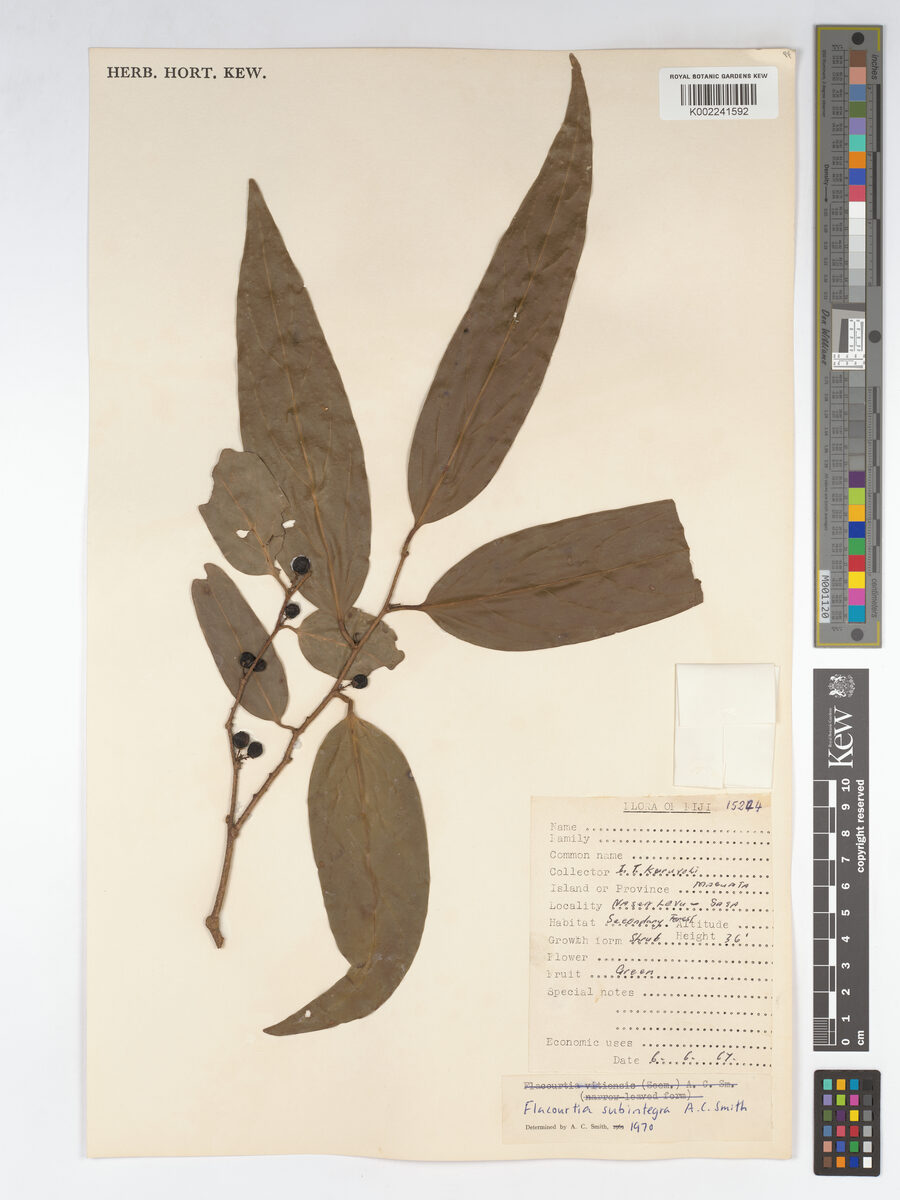
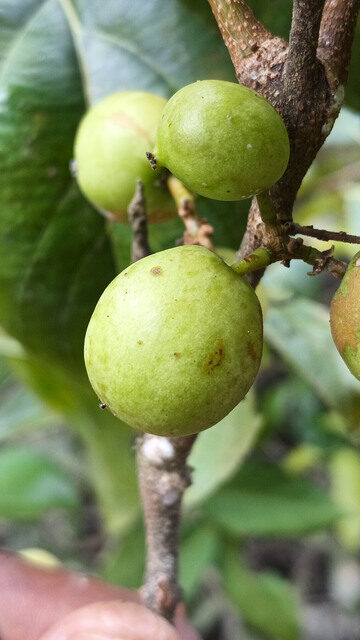
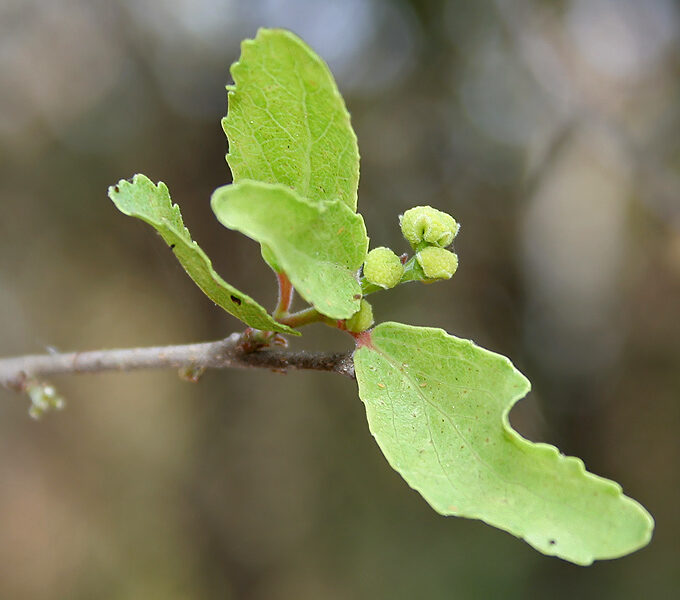
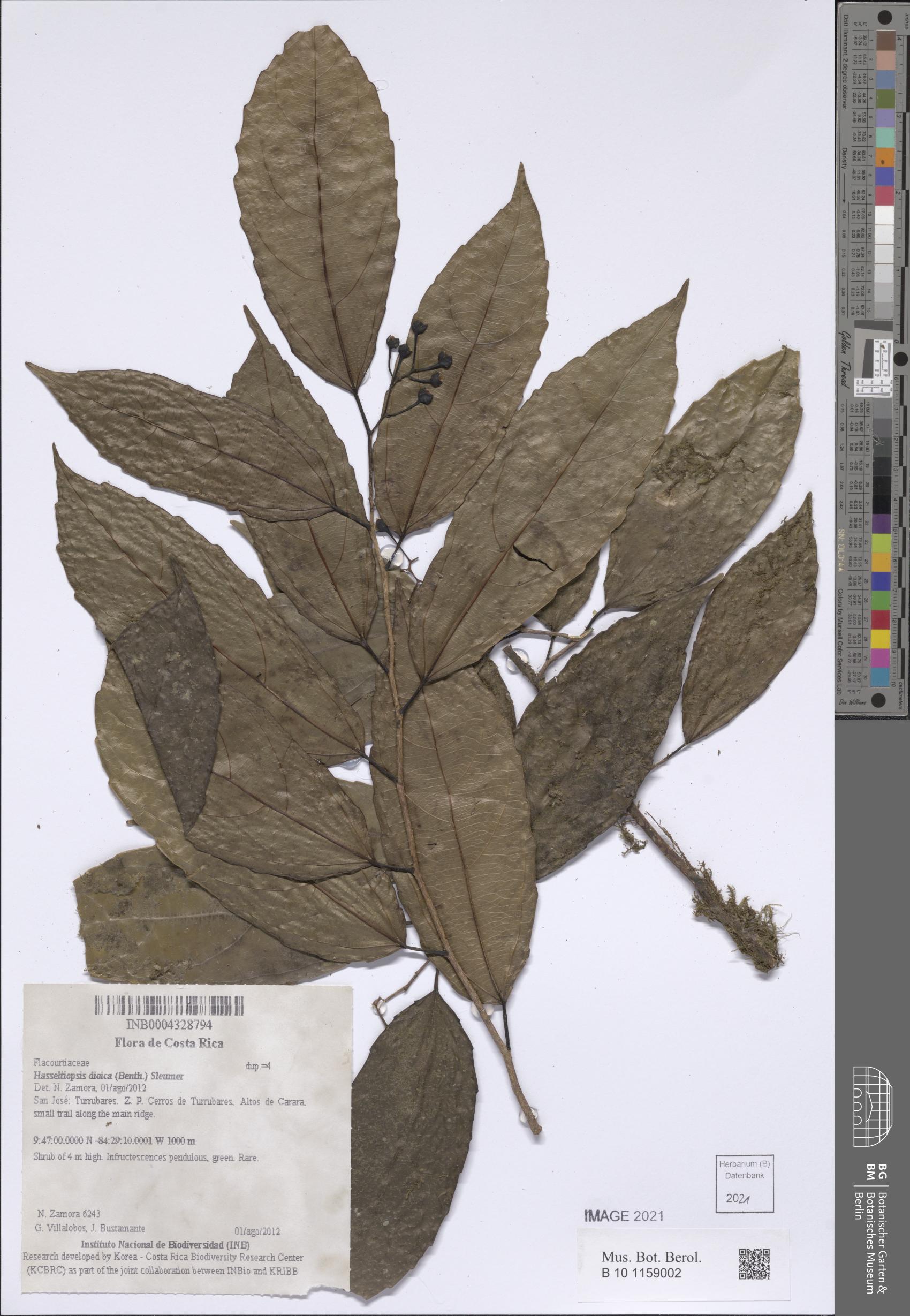
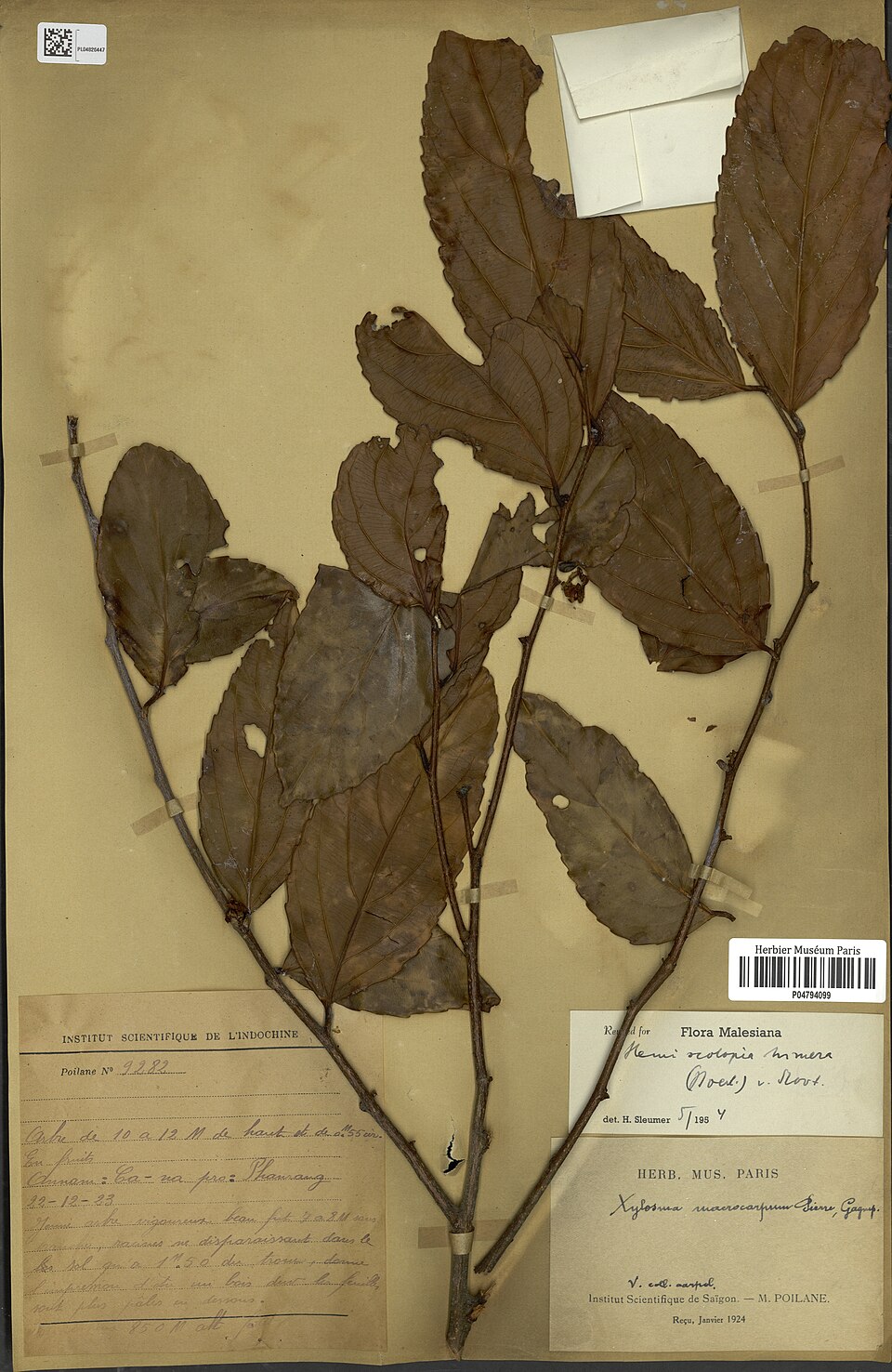
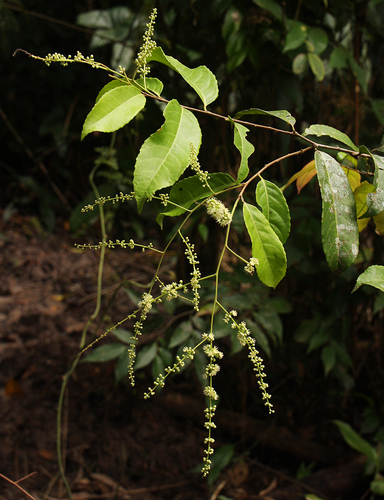
Xylosma japonica
(Walp.) A. Gray
wikimedia· cc0
Wikimedia Commons - Philipp Franz von Siebold and Joseph Gerhard Zuccarini
gbif· cc0
President and Fellows of Harvard College
Summary
Source: WikipediaXylosma japonica is an evergreen tree reaching 25 m tall, hardy to UK zone 8. It flowers from August to September with hermaphroditic blooms. The plant accommodates light sandy, medium loamy, and heavy clay soils, preferring well-drained conditions while tolerating poor soil nutrition. It tolerates both semi-shade and full sun, adapts to dry or moist soils, and withstands maritime exposure.
Description
Xylosma japonica is an evergreen tree reaching 25 m tall, hardy to UK zone 8. It flowers from August to September with hermaphroditic blooms. The plant accommodates light sandy, medium loamy, and heavy clay soils, preferring well-drained conditions while tolerating poor soil nutrition. It tolerates both semi-shade and full sun, adapts to dry or moist soils, and withstands maritime exposure.
Edible Uses
Young shoots are edible when cooked, though they are considered a famine food used only when other options are exhausted. The leaves contain a glycoside — see toxicity notes.
Medicinal Uses
The ashes of the stem bark are mixed with water and applied in the treatment of jaundice, scrofula, sores, and tumours. The ash mixture is also used to speed parturition.
Distribution
It is a temperate plant.
Where It Grows
Asia, China, Japan, Korea,
Propagation
Sow seed in spring in a greenhouse. When seedlings are large enough to handle, prick them out into individual pots and grow on in the greenhouse for at least their first winter. Plant out into permanent positions in late spring or early summer, after the last expected frosts. Cuttings of half-ripe wood can be taken in July or August and rooted in a frame.
Other Uses
The plant tolerates clipping and can be grown as a formal hedge, particularly in areas cooler than its native range where it remains a shrub or small tree rather than developing into a larger form.
Notes
There are about 100 Xylosma species. They grow in tropical and subtropical places. Also put in the Flacourtiaceae family.
Synonyms
References (1)
- Plants for a Future database, The Field, Penpol, Lostwithiel, Cornwall, PL22 0NG, UK. http://www.scs.leeds.ac.uk/pfaf/