Vitis davidii
(Romaet Caill.) Foex
Spiny vitis, Spiny grape
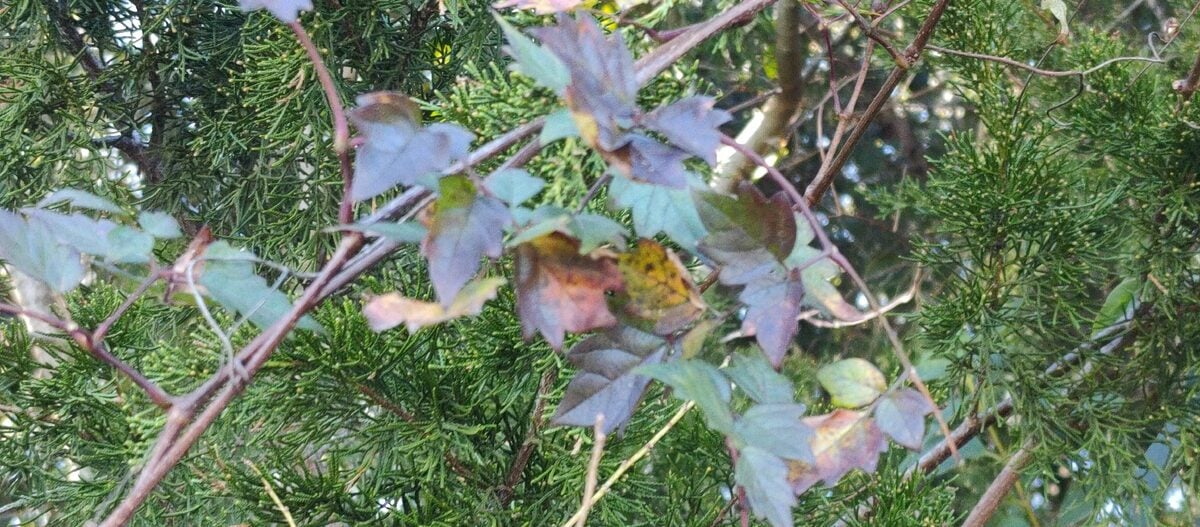
iNaturalist· cc-by-nc
(c) Sara Rall, some rights reserved (CC BY-NC)
iNaturalist· cc-by
(c) Sandy Wolkenberg, some rights reserved (CC BY)
iNaturalist· cc-by-nc
(c) Malik Vest-Walton, some rights reserved (CC BY-NC)
Summary
Source: WikipediaVitis davidii is a species of vining plant native to Asia. The plant grows to a height of up to 8 m (25 ft) and bears small, black grapes. It is also known as the Chinese bramble grape.
Description
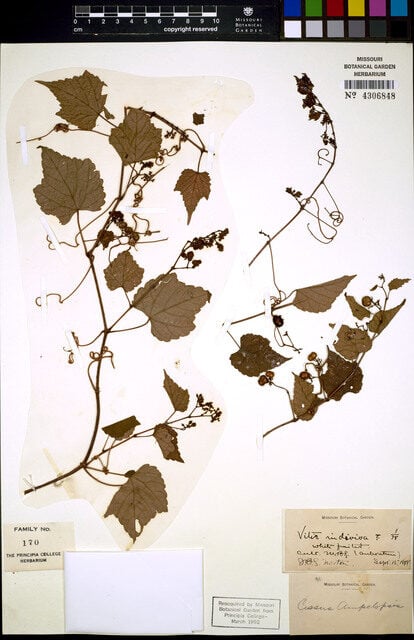
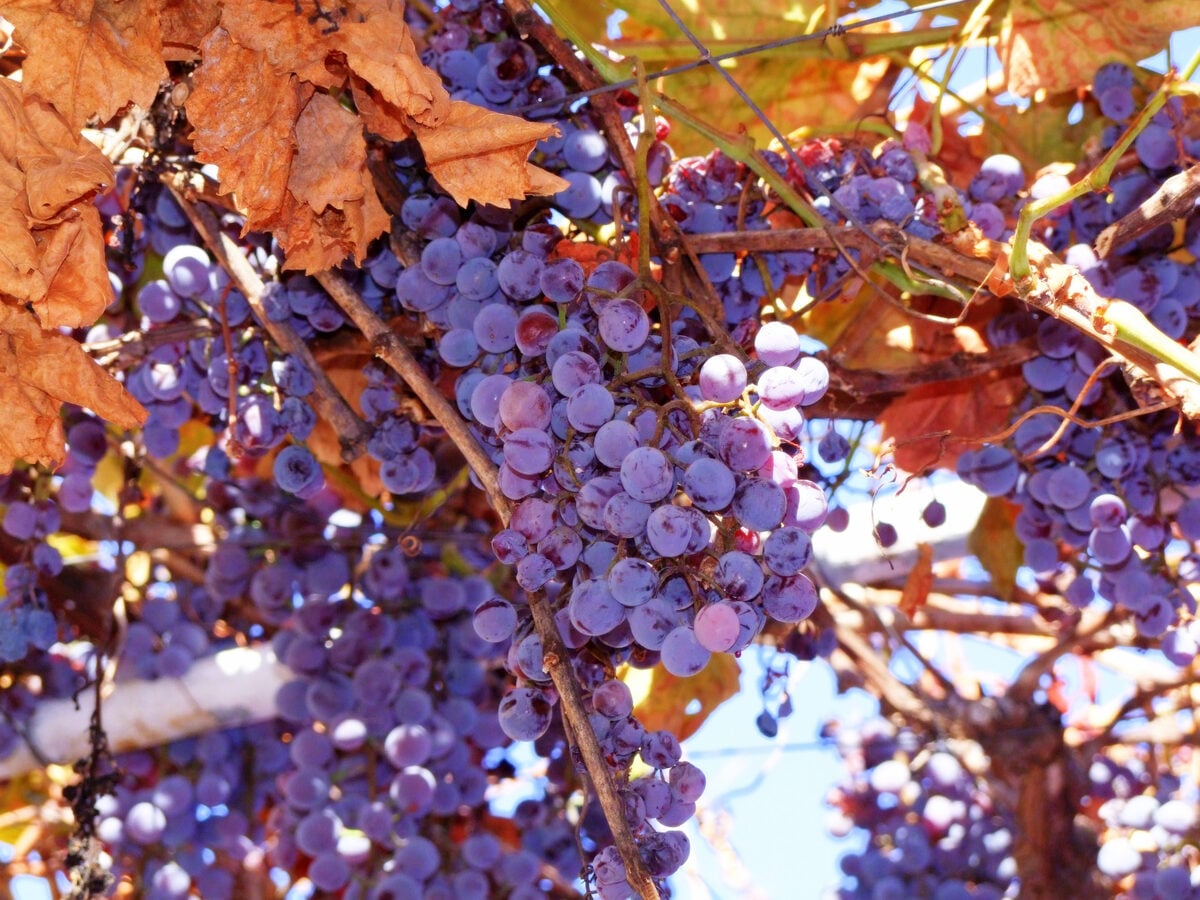
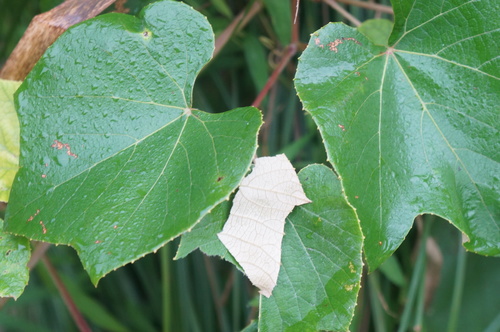
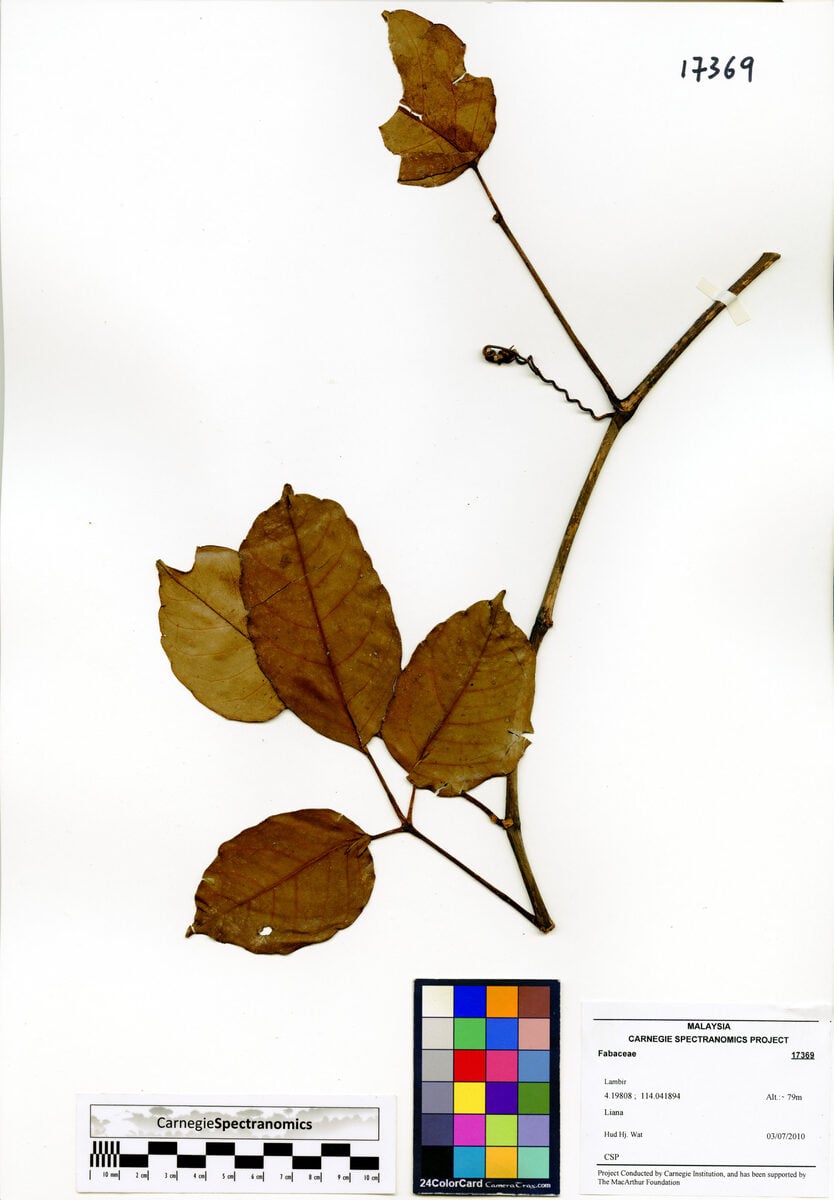
A woody creeper. It loses its leaves during the year. The small branches have prickles. These can be straight or curved. They are 2-4 mm long. There are branched tendrils. The leaves are broadly oval and 5-15 cm long by 7-14 cm wide. There can be 3 small lobes. The flowers are small and in groups 5-15 cm long. The fruit are bluish-purple.
Edible Uses
The fruit can be eaten raw or dried for winter use. Described variously as harsh or pleasantly sweet, the berries are small at around 16mm in diameter. Young leaves are used to wrap other foods before baking, lending them a pleasant flavour. Young tendrils can be eaten raw or cooked.
Traditional Uses
The fruit are eaten raw.
This uses section is brief — help expand it
Medicinal Uses
None known.
Distribution
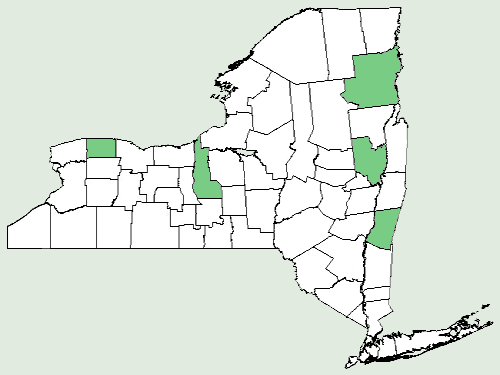
It is a subtropical plant. It grows along the Yangtze River in China. It grows between 500-2,300 m above sea level. In Sichuan and Yunnan.
Where It Grows
Asia, China,
Propagation
Seed is best sown in a cold frame as soon as it ripens. Six weeks of cold stratification improves germination rates, so stored seed should be sown in a cold frame as soon as it is obtained. Germination usually occurs in the first spring but may take another 12 months. Prick seedlings into individual pots when large enough to handle, overwinter in a cold frame, and plant out in early summer. Hardwood cuttings of the current season's growth can be taken in December or January and rooted in a frame. These may be 15–30cm long, or short single-bud sections about 5cm long. For the shorter sections, remove a thin strip of bark roughly 3cm long from the lower side to encourage callusing and rooting; these smaller cuttings need more protection than longer ones. Layering is also an option.
Other Uses
A yellow dye is obtained from fresh or dried leaves. The plant can also serve as ground cover in a sunny position, with plants spaced roughly 3.5 metres apart in each direction. Coverage can be encouraged by pegging brushwood flat on the ground beneath the plant; the brushwood eventually rots away and the vine takes over completely.
Production
In China plants flower April to June and fruit July to October.
Notes
There are 60 to 70 species of Vitis.
Dangerous Lookalikes
This plant can be confused with the following toxic species. Always verify identification carefully before consuming any wild plant.
Canadian Moonseed
Menispermum canadense
Cbaile19
Spiny vitis
Vitis davidii
(c) Sara Rall, some rights reserved (CC BY-NC)
Canadian Moonseed: No tendrils, single crescent/moon-shaped seed, leaf stem attaches to underside of leaf.
Spiny vitis: Vine with tendrils, round seeds, leaf stem at edge of leaf, bark that peels.
References (6)
- Arora, R. K., 2014, Diversity in Underutilized Plant Species - An Asia-Pacific Perspective. Bioversity International. p 90 (As dardii)
- Cours complet de viticulture 44. 1886
- Flowerdew, B., 2000, Complete Fruit Book. Kyle Cathie Ltd., London. p 92
- Hu, Shiu-ying, 2005, Food Plants of China. The Chinese University Press. p 534
- Hui, Y. H., Handbook of Food Science, Technology, and Engineering. Volume 2. Table 98:2
Show all 6 references Hide references
- Plants for a Future database, The Field, Penpol, Lostwithiel, Cornwall, PL22 0NG, UK. http://www.scs.leeds.ac.uk/pfaf/