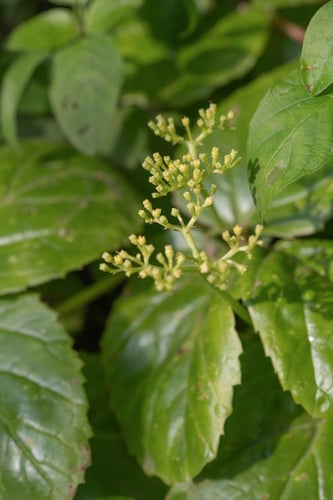
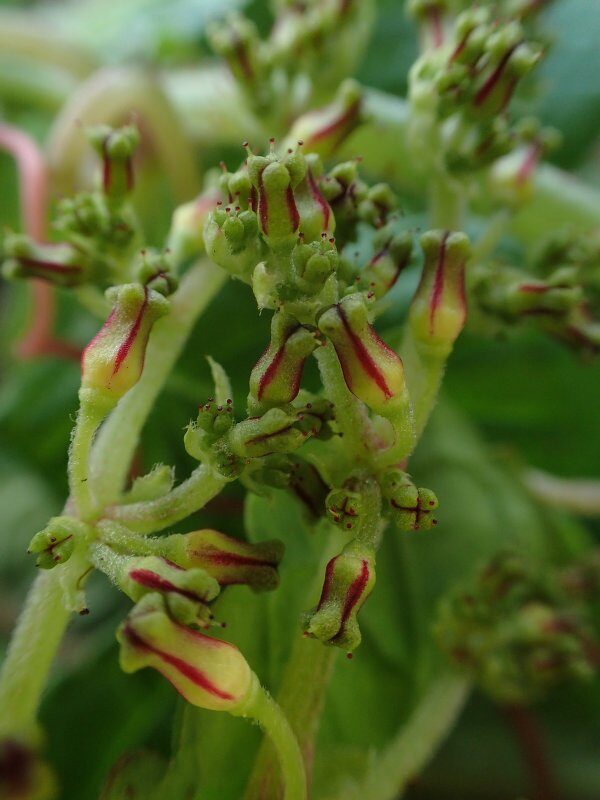
Vitis candicans
Engelm. ex A. Gray
Mustang grape
wikimedia· cc-by-sa
Wikimedia Commons - Ddal
wikimedia· cc-by
Wikimedia Commons - sonnia hill
Description
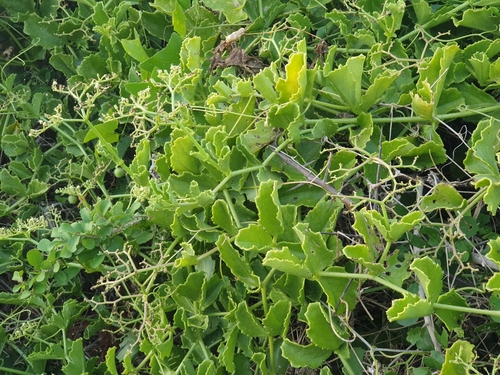
A temperate grapevine (Vitaceae family) producing large black berries.
This description is brief — help expand it
Edible Uses
The fruit can be potentially irritating to the skin when handled, and are mildly unpleasant to eat raw because of bitterness and a high acidity content. This grape has a list of culinary use as jelly, pie-filling, wine and grape juice, all of which are typically processed with heat and sweetened with sugar. Mustang grapes have been used to make mustang wine since before the Civil War. The fruit and leaves of Mustang Grapes may also be used to dye wool.
Traditional Uses
CAUTION The skin is bitter. The fruit are used for pies, jelly and wine.
This uses section is brief — help expand it
Known Hazards
The skin is bitter.
Distribution
It is a temperate plant.
Where It Grows
North America, USA,
Notes
There are 60 to 70 species of Vitis.
Dangerous Lookalikes
This plant can be confused with the following toxic species. Always verify identification carefully before consuming any wild plant.
Canadian Moonseed
Menispermum canadense
Cbaile19
Mustang grape
Vitis candicans
Wikimedia Commons - Ddal
Canadian Moonseed: No tendrils, single crescent/moon-shaped seed, leaf stem attaches to underside of leaf.
Mustang grape: Vine with tendrils, round seeds, leaf stem at edge of leaf, bark that peels.
References (5)
- Beckstrom-Sternberg, Stephen M., and James A. Duke. "The Foodplant Database." http://probe.nalusda.gov:8300/cgi-bin/browse/foodplantdb.(ACEDB version 4.0 - data version July 1994)
- Boston J. Nat. Hist. 6:166. 1850
- Facciola, S., 1998, Cornucopia 2: a Source Book of Edible Plants. Kampong Publications, p 245
- Hedrick, U.P., 1919, (Ed.), Sturtevant's edible plants of the world. p 682
- Kermath, B. M., et al, 2014, Food Plants in the Americas: A survey of the domesticated, cultivated and wild plants used for Human food in North, Central and South America and the Caribbean. On line draft. p 920