Vitex keniensis
Turrill
Meru oak
Wikipedia· cc-by-sa
Wikimedia Commons - Vitex_keniensis_seedling,_Kiangungi_Environmental_Network,_Embu_District,_Kenya.jpg
iNaturalist· cc-by-nc
(c) Brotry, some rights reserved (CC BY-NC)
iNaturalist· cc-by-nc
(c) Monari Ochwangi, some rights reserved (CC BY-NC)
Summary
Source: WikipediaVitex keniensis (also called Meru oak) is a species of plant in the family Lamiaceae. It is endemic to Kenya. It is threatened by habitat loss. It is a magnificent tree when mature, being one of the largest trees that are native to Kenya. Due to its use as a source of wood that is both durable and has an attractive grain it has been severely over-exploited and is now very rare.
Description
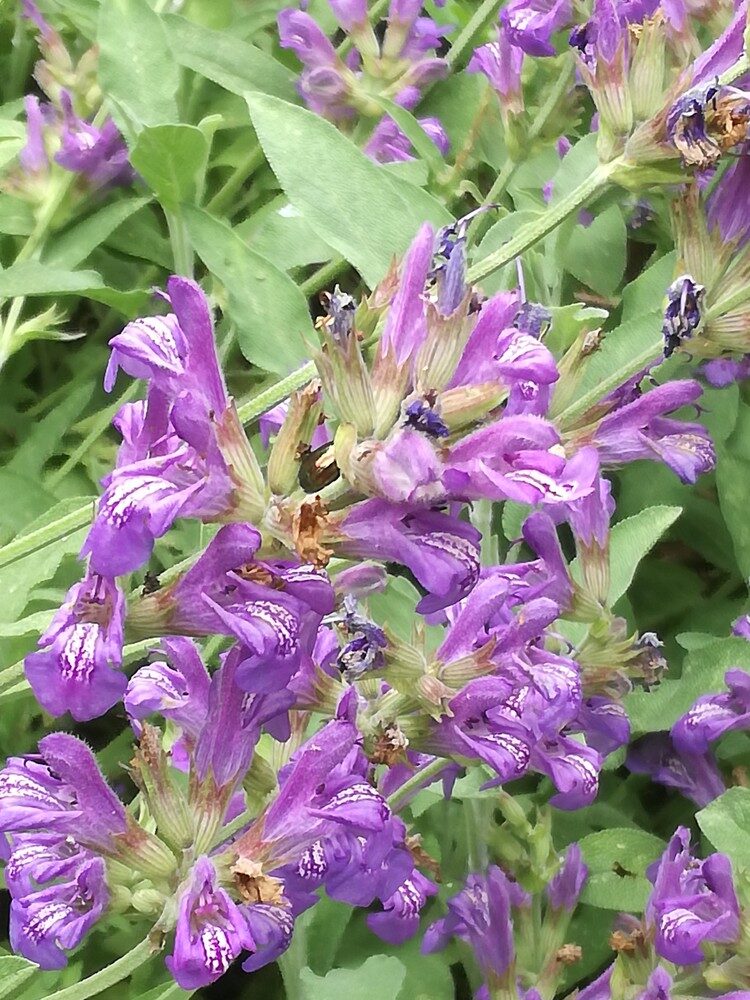
A tree which loses its leaves. It grows 20 m high. It can be 30 m high along river banks. The trunk is clear and straight. The bark is pale brown. It has narrow grooves along it. The leaves are compound. They have 5 leaflets which are light green. The leaf stalk is long and hairy. The leaves droop when young. They have a pointed tip. The leaflets are pale underneath with velvety hairs. The flowers are small and cream with one mauve petal lobe. The flowers are 1 cm long and occur in large heads. The fruit are rounded and 1.5 cm across. They are green but become black when ripe. The fruit are edible.
Edible Uses
The soft, black fruit is edible raw. It is an ellipsoid drupe measuring 13–16 mm long and is generally only eaten in times of food shortage, though another report notes that the fruit is sold in local markets.
Medicinal Uses
No medicinal uses are known for this plant.
Distribution
A tropical plant. It grows in the lowlands and the highlands. In East Africa it grows between 1,300-2,100 m above sea level.
Where It Grows
Africa, East Africa, Kenya, Mozambique, Tanzania, Uganda,
Cultivation
A plant of the moist tropics where it is found growing at elevations up to 2,100 metres. It grows best in areas where annual daytime temperatures are within the range 15 - 20°c, though it can tolerate 12 - 28°c. It prefers a mean annual rainfall of 1,800 - 2,200mm, tolerating 1,500 - 2,500mm. Prefers a sunny position in a well-drained, deep, sandy-loam soil. Prefers a pH in the range 5.5 - 7, tolerating 5 - 7.5. The tree coppices well.
Propagation
When dried, seed remains viable for at least 12 months in hermetic storage at 3°C. The seed has a dormancy that is probably physical in nature; pre-soaking in cold water for 24 hours may improve germination rates. Sow in a nursery seedbed. Germination is low and sporadic, typically 40–60% after 2–3 months.
Other Uses
The tree is planted as a windbreak. Fallen leaves provide a useful mulch. The wood is very pale greyish-brown, coarse-textured with well-marked growth zones, and often has a wavy grain figure. It is hard and durable, said to be comparable to teak. The heartwood of trees over 60 cm in diameter is often dark and highly decorative. The wood works easily and is used for cabinet work, panelling, veneer, furniture, and coffin boards. It is also used as fuel.
Notes
Also put in the family Verbenaceae.
Synonyms
Also Known As
Mfulu, Mfuru, Mfuu, Mhuru, Mkombachiko, Mufuu, Muuru
References (9)
- Bull. Misc. Inform. Kew 1915:47. 1915
- Dale, I. R. and Greenway, P. J., 1961, Kenya Trees and Shrubs. Nairobi. p 595
- Dharani, N., 2002, Field Guide to common Trees & Shrubs of East Africa. Struik. p 183
- http://www.fao.org/forestry/25323-096344a3de335832e8f363c3ac5184a66.pdf
- Jardin, C., 1970, List of Foods Used In Africa, FAO Nutrition Information Document Series No 2.p 168
Show all 9 references Hide references
- Mbuya, L.P., Msanga, H.P., Ruffo, C.K., Birnie, A & Tengnas, B., 1994, Useful Trees and Shrubs for Tanzania. Regional Soil Conservation Unit. Technical Handbook No 6. p 506
- Reis, S. V. and Lipp, F. L., 1982, New Plant Sources for Drugs and Foods from the New York Botanical Garden herbarium. Harvard. p 254
- von Katja Rembold, 2011, Conservation status of the vascular plants in East African rain forests. Dissertation Universitat Koblenz-Landau p 185
- www.worldagroforestrycentre.org/treedb/