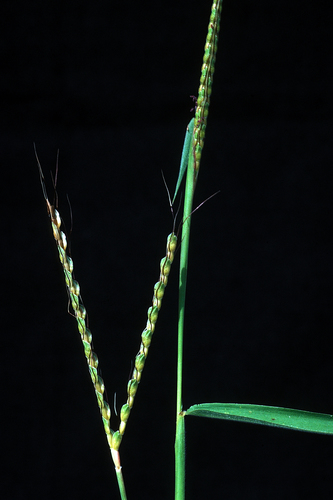
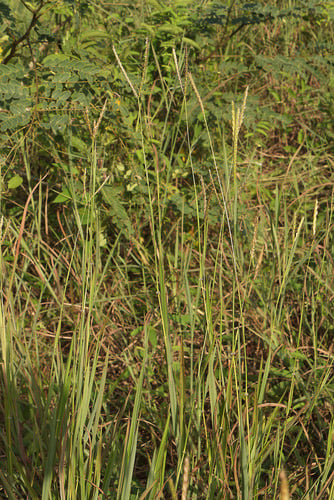
Oldeania alpina
(K. Schum.) Stapleton
Mountain bamboo, African alpine bamboo
iNaturalist· cc-by-nc
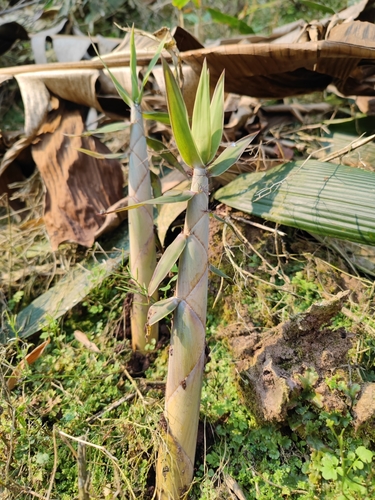
(c) Odile Weber, some rights reserved (CC BY-NC), uploaded by Odile Weber
iNaturalist· cc-by-nc
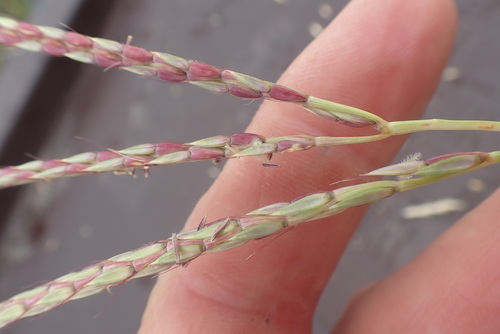
(c) Nick Helme, some rights reserved (CC BY-NC), uploaded by Nick Helme
iNaturalist· cc-by-nc
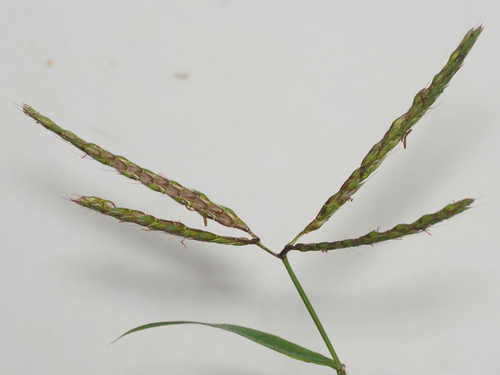
(c) Nick Helme, some rights reserved (CC BY-NC), uploaded by Nick Helme
Summary
Source: WikipediaOldeania alpina, the African alpine bamboo, is a perennial bamboo of the family Poaceae and the genus Oldeania. It can be found growing in dense but not large stands on the mountains and volcanoes surrounding the East African Rift between 2,500 meters (8,200 feet) and 3,300 meters (11,000 feet) elevation.
Description
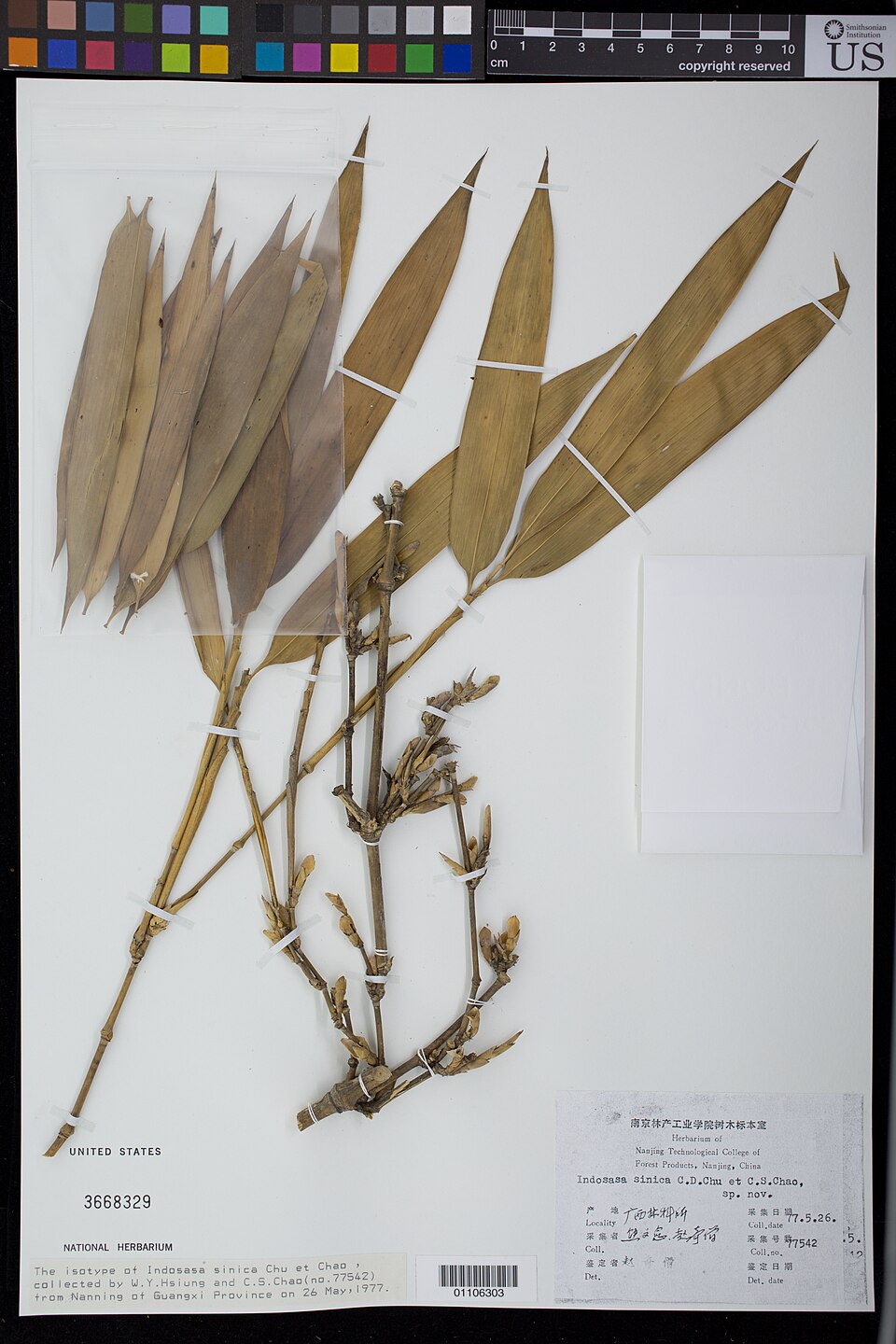
A bamboo. A very large hollow-stemmed grass. It usually grows 6-8 m tall but can grow 12-25 m tall. The stems are smooth and woody. They are yellow brown. They grow from fattened underground stems (rhizomes). A ring of thin branches grow from the joints at the upper ends. Leaves grow off these small branches. Stems can reach 7-10 cm across. The leaves are pale green and up to 20 cm long by 1 cm wide. Flowers are rarely seen. They are 10-20 cm long. After flowering the plant dies down.
Edible Uses
The shoots are eaten as food.
Traditional Uses
The shoots are used as food.
This uses section is brief — help expand it
Distribution
A tropical plant. A bamboo found at high elevations in Uganda. It grows at 2,700-3,000 m altitude. If well watered it will grow at lower altitudes.
Where It Grows
Africa, Burundi, Cameroon, Central Africa, Congo DR, Congo R, East Africa, Ethiopia, Kenya, Malawi, Rwanda, Sudan, Tanzania, Uganda,
Cultivation
It is grown from sections of the underground stem. It can be grown from seed. These need regular watering. They can be transplanted out after 8-12 months.
Production
It is a fast growing plant under good conditions.
Notes
There are about 150 Arundinaria species.
Synonyms
Also Known As
Banda, Kerkeha, Leemmicho, Mulonge, Mulongelonge, Murangi, Mwodi, Ol dean, Ol moloi, Umugano
References (12)
- Bekele-Tesemma A., Birnie, A., & Tengnas, B., 1993, Useful Trees and Shrubs for Ethiopia. Regional Soil Conservation Unit. Technical Handbook No 5. p 96 (As Yushania alpina)
- Dharani, N., 2002, Field Guide to common Trees & Shrubs of East Africa. Struik. p 197 (As Yushania alpina)
- Grubben, G. J. H. and Denton, O. A. (eds), 2004, Plant Resources of Tropical Africa 2. Vegetables. PROTA, Wageningen, Netherlands. p 565 (As Sinarundinaria alpina)
- Katende, A.B., Birnie, A & Tengnas B., 1995, Useful Trees and Shrubs for Uganda. Identification, Propagation and Management for Agricultural and Pastoral Communities. Technical handbook No 10. Regional Soil Conservation Unit, Nairobi, Kenya. p 114 (As Yushania alpina)
- Lulekal, E., et al, 2011, Wild edible plants in Ethiopia: a review on their potential to combat food insecurity. Afrika Focus - Vol. 24, No 2. pp 71-121 (As Arundinaria alpina)
Show all 12 references Hide references
- Mangambu Mokoso Jean De Dieu, et al, 2015, Etudes ethnobotanique et ethnolinguistique des ressources forestieres ligneuses utilisees par la population du coulour Ecologique du Parc National de Kahuzi-biega (R. D. Congo). European Journal of Scientific Research May 2015. (As Sinarundinaria alpina)
- Mbuya, L.P., Msanga, H.P., Ruffo, C.K., Birnie, A & Tengnas, B., 1994, Useful Trees and Shrubs for Tanzania. Regional Soil Conservation Unit. Technical Handbook No 6. p 110 (As Yushania alpina)
- Molla, A., Ethiopian Plant Names. http://www.ethiopic.com/aplants.htm (As Yushania alpina)
- Sina, B. & Degu, H. D., 2015, Knowledge and use of Wild Edible Plants in the Hula District of the Sidama Zone. International Journal of Bio-resource and Stress Management 6(3):352-365 (As Yushania alpina)
- Ulian, T., et al, 2020, Unlocking plant resources to support food security and promote sustainable agriculture. Plants, People, Planet. 2020;2:421–445.
- White, F., Dowsett-Lemaire, F. and Chapman, J. D., 2001, Evergreen Forest Flora of Malawi. Kew. p 102 (As Yushania alpina)
- World Checklist of Useful Plant Species 2020. Royal Botanic Gardens, Kew