Artocarpus rigidus
Blume
Johore jack, Monkey Jack
iNaturalist· cc-by-nc
(c) Cheongweei Gan, some rights reserved (CC BY-NC), uploaded by Cheongweei Gan
iNaturalist· cc-by-nc
(c) Cheongweei Gan, some rights reserved (CC BY-NC), uploaded by Cheongweei Gan
iNaturalist· cc-by-nc-sa
(c) 潘立傑 LiChieh Pan, some rights reserved (CC BY-NC-SA)
Summary
Source: WikipediaArtocarpus rigidus is a tree species in the Moraceae that was described by Blume. A. rigidus is a wild species of the breadfruit/jackfruit genus (Artocarpus) and may be referred to as monkey jack. Its Vietnamese name is mít nài (sometimes da xóp). This 20–25 m trees species can be found in Indochina and Malesia. The subspecies A. rigidus subsp. asperulus (Gagnep.) F.M.Jarrett is accepted; synonyms for the latter are: Artocarpus asperulus Gagnep. and A. calophyllus Kurz.
Description
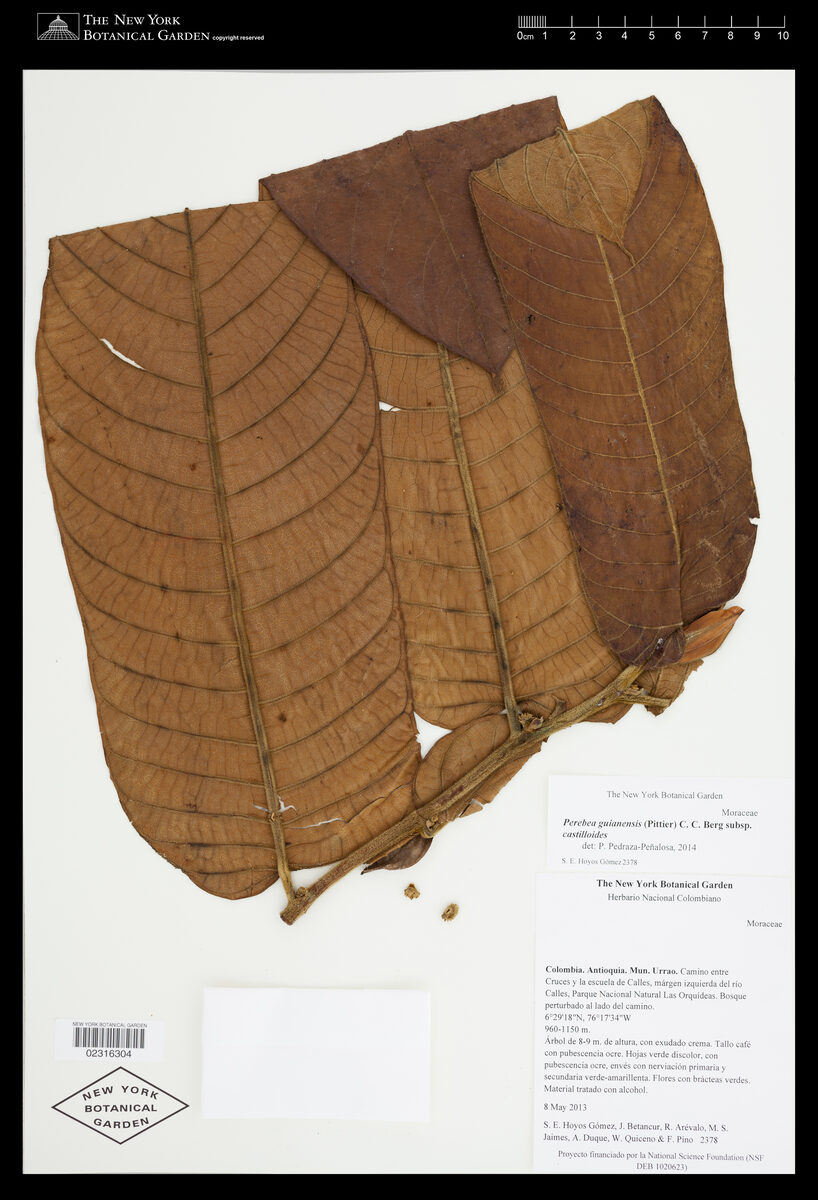
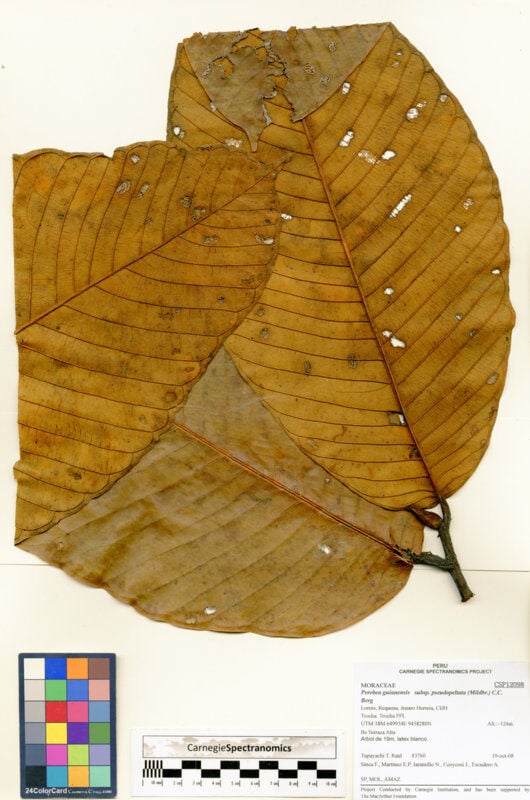
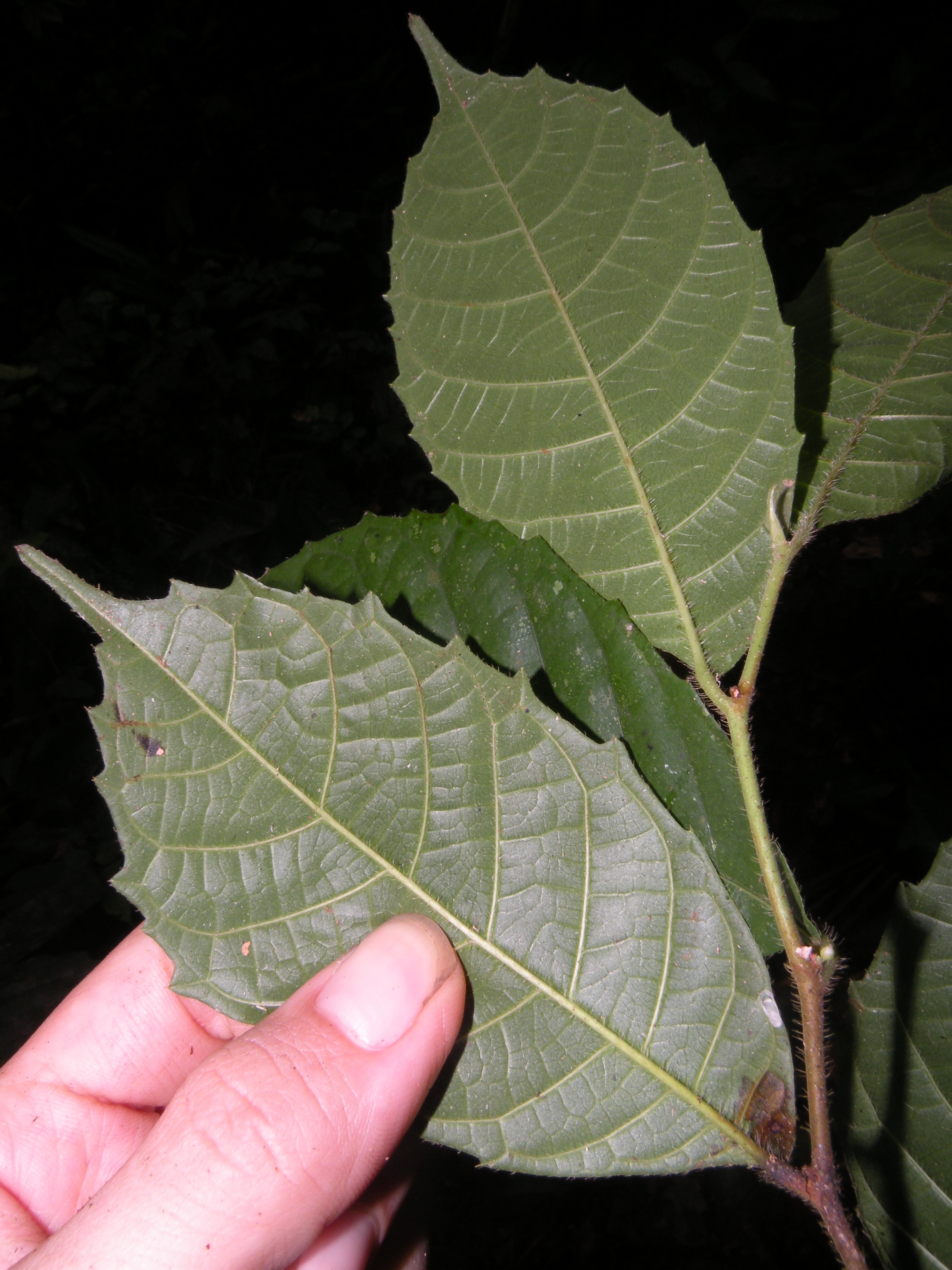
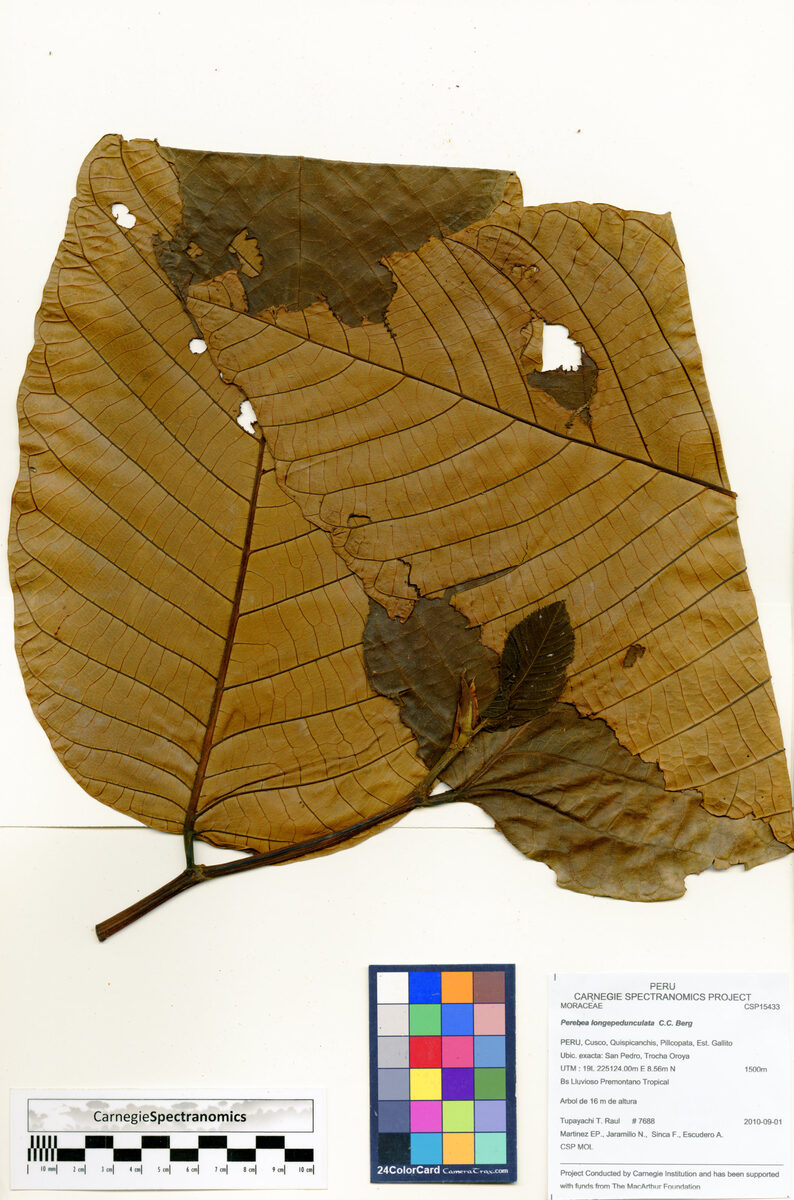
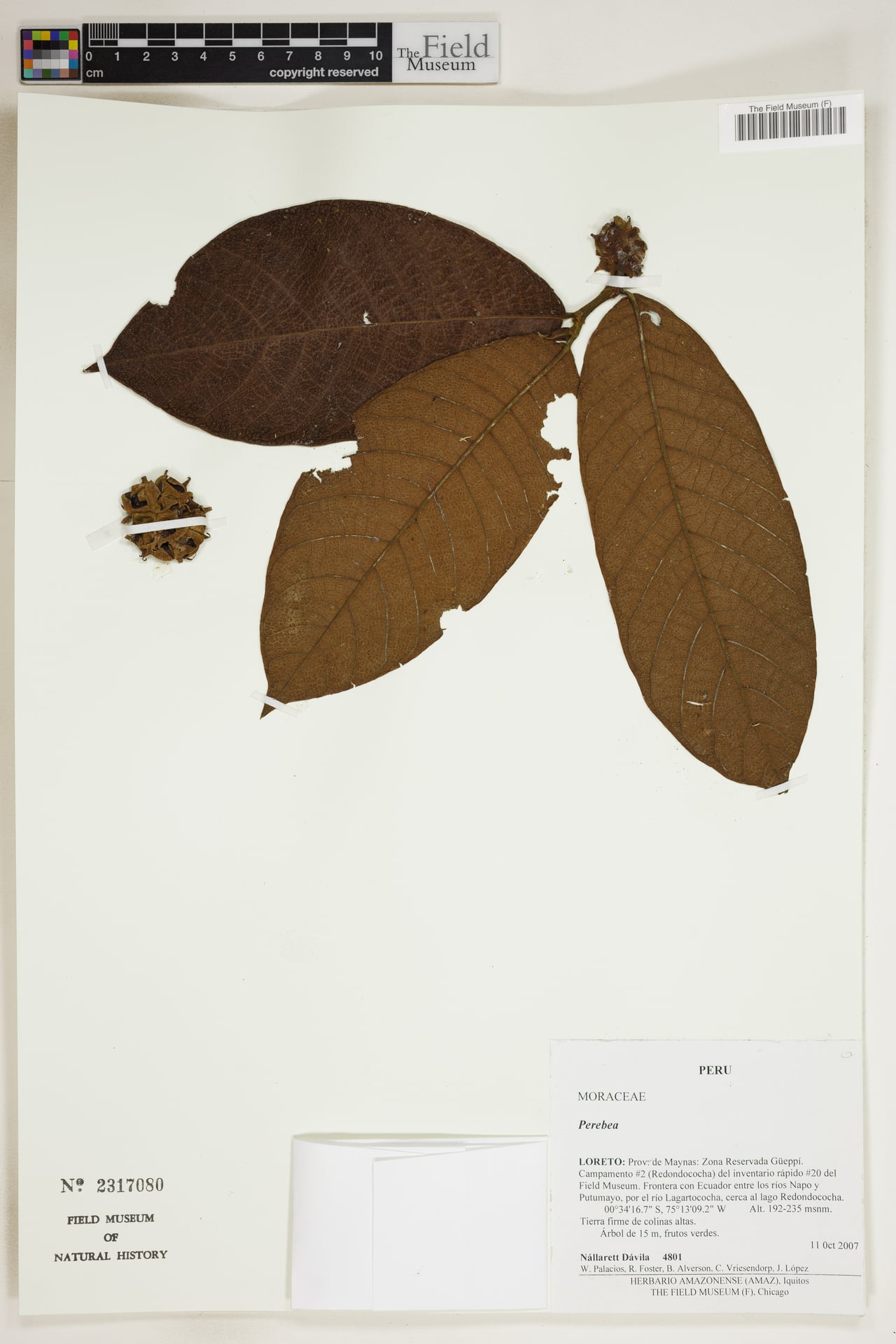
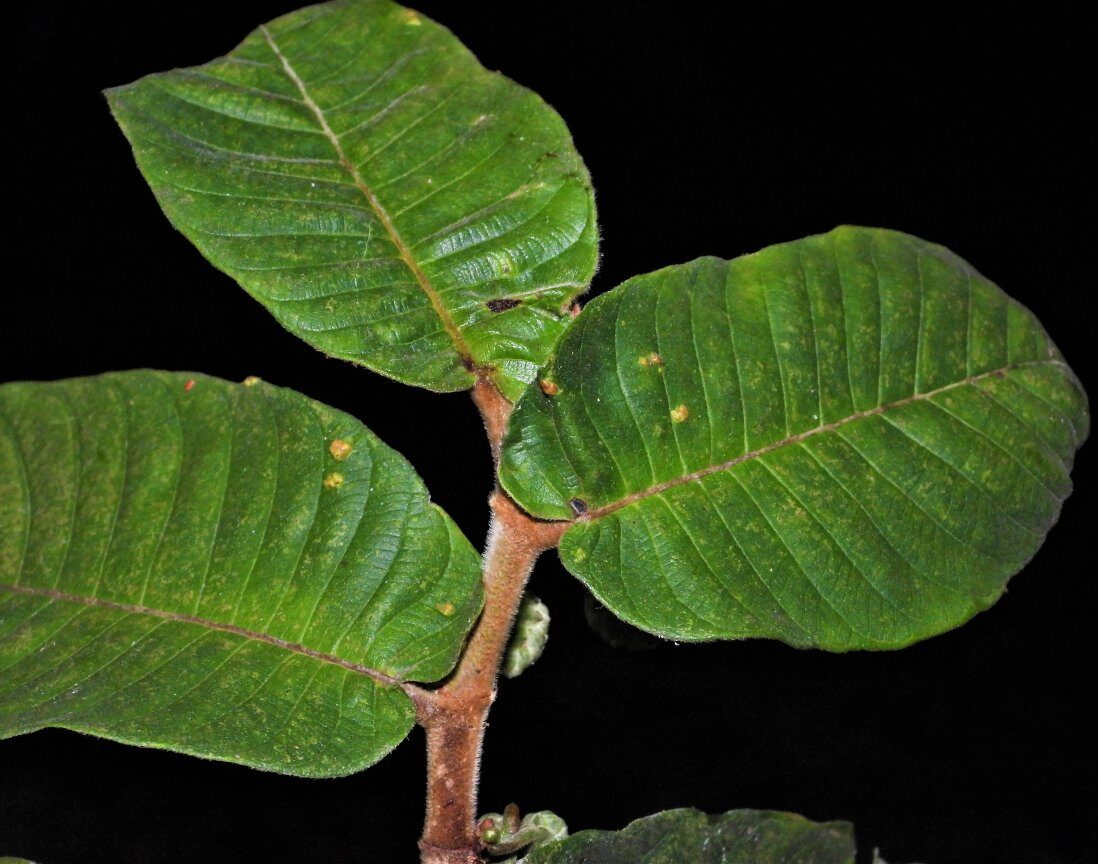
A medium sized tree. It grows to 45 m high. The trunk is 120 cm across. The buttresses can be 3 m high. The twigs are 2-6 mm thick. They have reddish hairs and ring like scars. It has small oval leaves. They are 6.5-32 cm long by 3.5-15 cm wide. There are hairs on the secondary veins underneath. The young leaves are deeply lobed. There are 9-20 pairs of secondary veins which go in loops and join near the leaf edge. The leaf stalks is 1-3 cm long. The flower groups occur singly in the axils of leaves. The male heads are yellow and rounded. They are 13-20 mm across. The flower stalk is 1-6 mm long and hairy. The fruit are round or oval. They can be 10-15 cm across. They have sharp spikes over the surface. They turn yellow when ripe. The seeds are inside an orange yellow fleshy sac. This fleshy layer is sweet and edible. The seeds are oval and 12 mm long by 7 mm wide. The seeds are edible. The subspecies rigidus has leaves which are wedge shaped at the base. They are usually smooth on the upper surface.
Edible Uses
The sweet orange-yellow fleshy layer surrounding the seeds is eaten raw. The seeds are roasted and eaten.
Traditional Uses
The fleshy layer around the seeds is edible. The seeds are roasted and eaten.
This uses section is brief — help expand it
Known Hazards
None mentioned
Distribution
A tropical plant. In Indonesia it grows in lowland forest and up to 500 m altitude but occasionally up to 1000 m altitude. It is often near streams.
Where It Grows
Asia, Cambodia, Fiji, India, Indochina, Indonesia, Malaysia, Myanmar, Pacific, Philippines, SE Asia, Singapore, Sri Lanka, Thailand, Vietnam,
Cultivation
Plants can be grown from seed.
Propagation
Seed - best extracted from ripe fruits and sown immediately as they cannot withstand desiccation and lose viability within a few weeks. There is no period of dormancy, the seed usually germinating immediately.
Other Uses
The sticky latex is mixed with wax and used in Batik work. A yellow dye is obtained from the wood. It is used for textiles. The wood is a source of keledang timber. We have no further information for this species, but the general description of keledang is as follows:- The heartwood is yellow-brown to orange-red, darkinging to golden brown; it is clearly demarcated from the 5 - 7cm wide band of sapwood. The texture is coarse; the grain straight or interlocked; there is a lustrous, ribbon-like aspect. The wood is fairly heavy, fairly hard, durable, being moderately resistant to fungi and resistant to termites and dry wood borers. It seasons somewhat slowly with a high risk of distortion and a slight risk of checking; once dry it is moderately stable to stable in service. It has a fairly high blunting effect upon tools, stellite-tipped and tungsten carbide are recommended; the surface is fibrous and filling is recommended; it takes screws and nails poorly; glues correctly. The wood is used for furniture, house building, turnery, light carpentry, interior joinery and panelling, boxes and crates, boats etc. It is used for making high class coffins in Malaysia. Plants can be used as a rootstock for the jackfruit (Artocarpus heterophyllus).
Other Information
It is a cultivated food plant.
Notes
There are about 50 Artocarpus species. They are in the tropics and subtropics of Asia and the Pacific.
Synonyms
Also Known As
Buah perian, Gias, Jelatoh, Khanun-pa, Khnao prey, Khnor prey, Kosar, Kujan, Kulidang, Kundang, Mandalika, Mentawah, Nangka pipit, Pala musoh, Peing, Pekalong, Perian, Peusar, Purian, Purin, Pussar, Puyan, Sone-padat, Tampuneh, Tapang, Taung, Tawan, Temponek, Tempun, Tempunai, Tempunik, Tempunit purian, Temputu
References (29)
- Ambasta S.P. (Ed.), 2000, The Useful Plants of India. CSIR India. p 57
- Argent, G et al, nd, Manual of the Larger and More important non Dipterocarp Trees of Central Kalimantan Indonesia. Volume 2 Forest Research Institute, Samarinda, Indonesia. p 437
- Arora, R. K., 2014, Diversity in Underutilized Plant Species - An Asia-Pacific Perspective. Bioversity International. p 59
- Bijdr. 482. 1825
- Bircher, A. G. & Bircher, W. H., 2000, Encyclopedia of Fruit Trees and Edible Flowering Plants in Egypt and the Subtropics. AUC Press. p 43
Show all 29 references Hide references
- Burkill, I.H., 1966, A Dictionary of the Economic Products of the Malay Peninsula. Ministry of Agriculture and Cooperatives, Kuala Lumpur, Malaysia. Vol 1 (A-H) p 260 (As Artocarpus rigida)
- Chai, P. P. K. (Ed), et al, 2000, A checklist of Flora, Fauna, Food and Medicinal Plants. Lanjak Entimau Wildlife Sanctuary, Sarawak. Forestry Malaysia & ITTO. p 168
- Coronel, R.E., 1982, Fruit Collections in the Philippines. IBPGR Newsletter p 6
- Davis, S.D., Heywood, V.H., & Hamilton, A.C. (eds), 1994, Centres of plant Diversity. WWF. Vol 1 or 2. p 139 (As Artocarpus rigidus)
- Hariyadi, B., 2008, The Entwined Tree: Traditional Natural Resource Management of Serampas, Jambi, Indonesia. Ph. D thesis. Univ. or Hawaii. p 401
- Macmillan, H.F. (Revised Barlow, H.S., et al) 1991, Tropical Planting and Gardening. Sixth edition. Malayan Nature Society. Kuala Lumpur. p 293
- Martin, F. W., et al, 1987, Perennial Edible Fruits of the Tropics. USDA Handbook 642 p 37
- Menninger, E.A., 1977, Edible Nuts of the World. Horticultural Books. Florida p 74
- Milow, P., et al, 2013, Malaysian species of plants with edible fruits or seeds and their evaluation. International Journal of Fruit Science. 14:1, 1-27
- Priyadi, H., et al, Five hundred plant species in Gunung Halimun Salak National Park West Java. A checklist including Sundanese names, distribution and use. CIFOR, FFPRI, SLU p 137
- PROSEA (Plant Resources of South East Asia) handbook, Volume 2, 1991, Edible fruits and nut. p 80
- Purseglove, J.W., 1968, Tropical Crops Dicotyledons, Longmans. p 379
- Saw, L.G., LaFrankie, J. V. Kochummen, K. M., Yap S. K., 1991, Fruit Trees in a Malaysian Rain Forest. Economic Botany, Vol. 45, No. 1, pp. 120-136
- Siong, K. H., 2003, Indigenous Fruits of Sarawak. Forest Department Sarawak. p 100
- Slik, F., www.asianplant.net
- Smith, A.C., 1981, Flora Vitiensis Nova, Lawaii, Kuai, Hawaii, Volume 2 p 206
- Soepadmo, E. and Saw, L. G., 2000, Tree Flora of Sabah and Sarawak. Forestry Malaysia. Volume Three. p 208
- Sukarya, D. G., (Ed.) 2013, 3,500 Plant Species of the Botanic Gardens of Indonesia. LIPI p 139
- Terra, G.J.A., 1973, Tropical Vegetables. Communication 54e Royal Tropical Institute, Amsterdam, p 26
- Thorng, R., et al, 2015, Roles of Wild Food Plants in Ethnic Group Communities in Mondulkiri Province, Northeastern Cambodia. Journal of Mekong Societies Vol.11 No.2 May-August 2015 pp. 1-17
- USDA, ARS, National Genetic Resources Program. Germplasm Resources Information Network - (GRIN). [Online Database] National Germplasm Resources Laboratory, Beltsville, Maryland. Available: www.ars-grin.gov/cgi-bin/npgs/html/econ.pl (10 April 2000)
- Wiersema, J. H. & Leon, B., 2013, World Economic Plants. A Standard Reference CRC Press. 2nd Ed. p 74
- World Checklist of Useful Plant Species 2020. Royal Botanic Gardens, Kew
- Zawiah, N. & Othaman, H., 2012, 99 Spesies Buah di FRIM. Institut Penyelidikan Perhutanan Malaysia. p 40