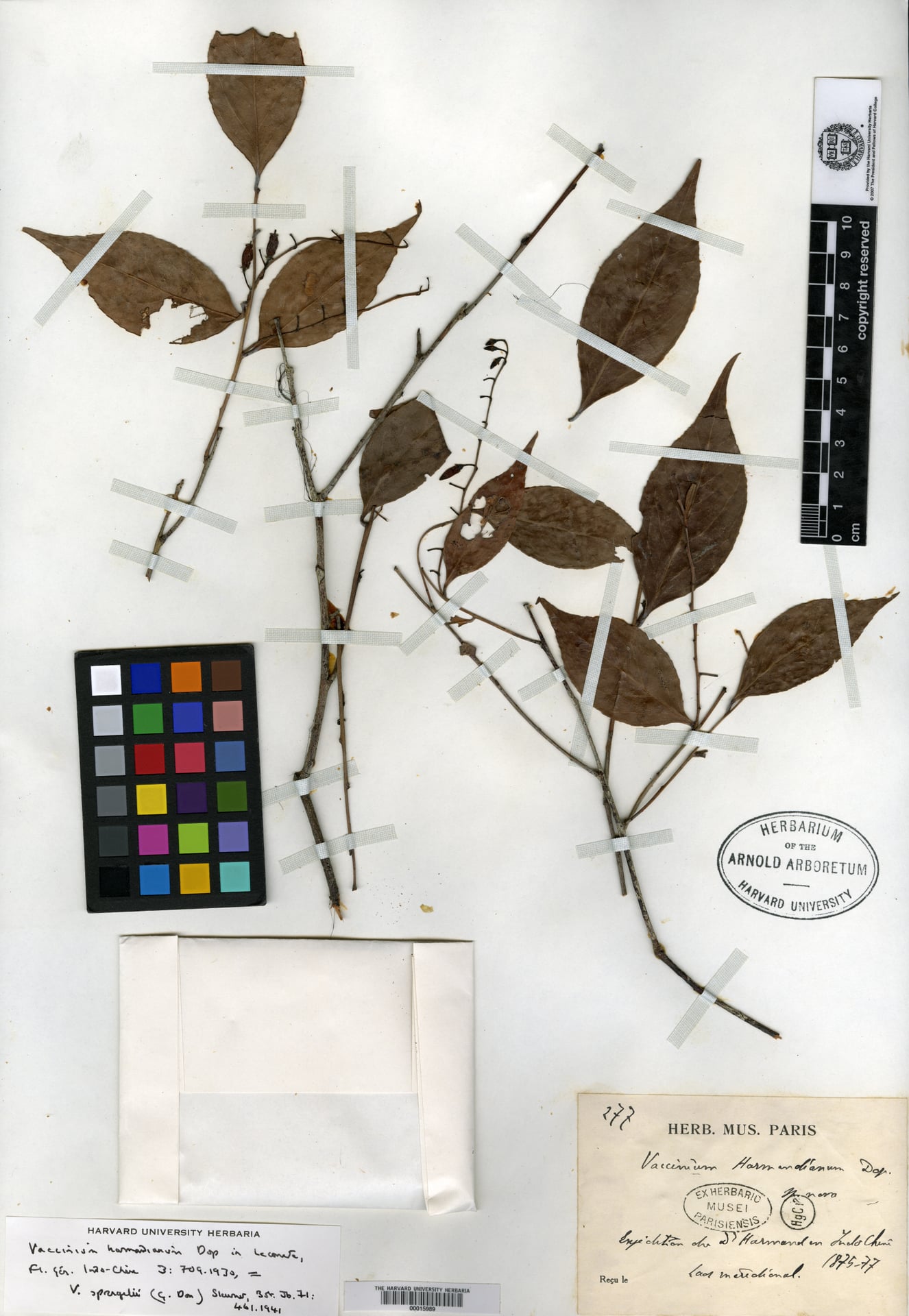
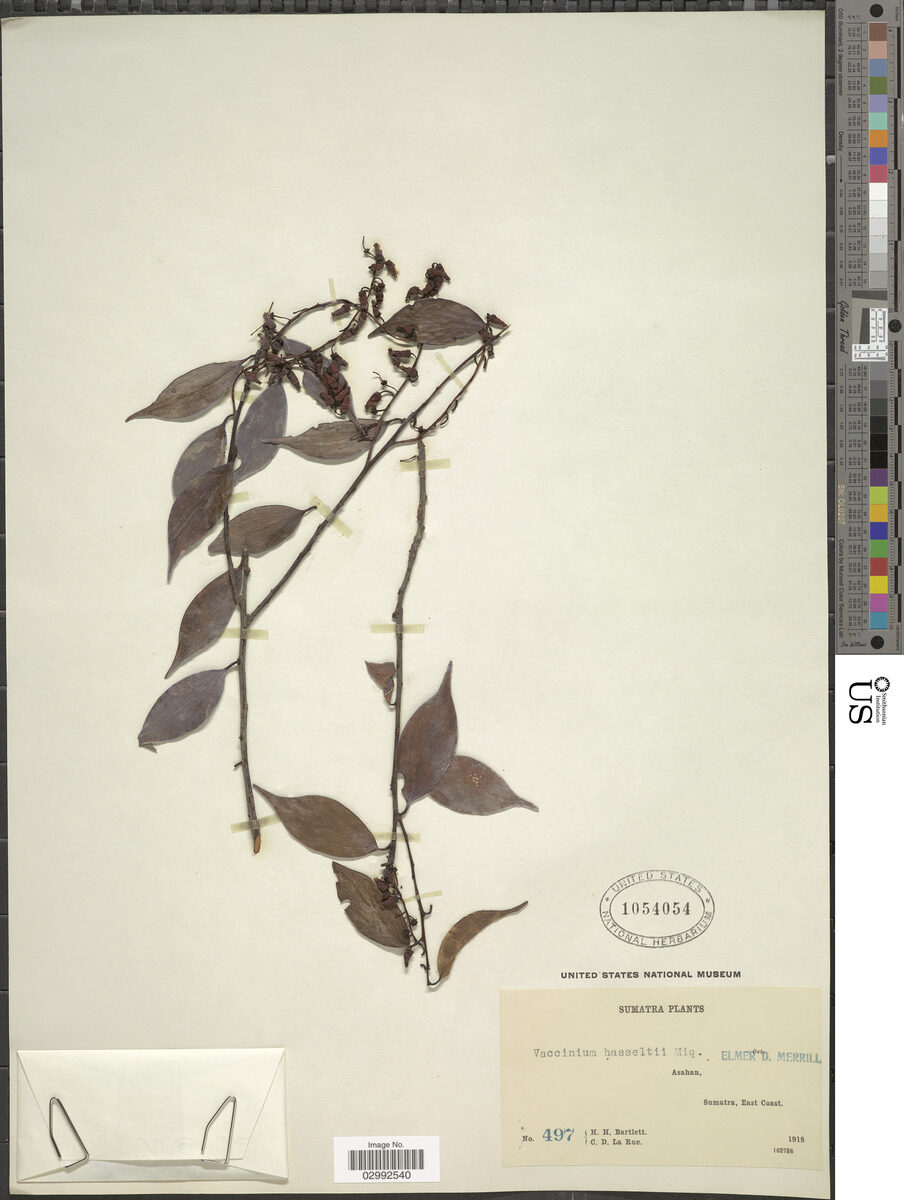
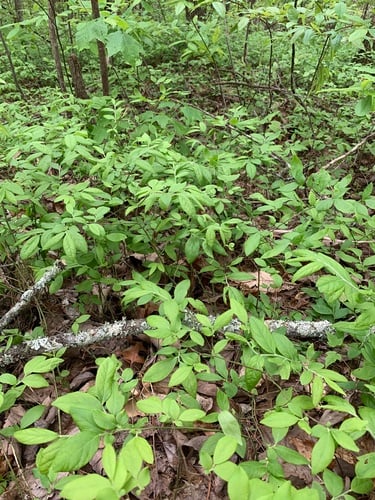
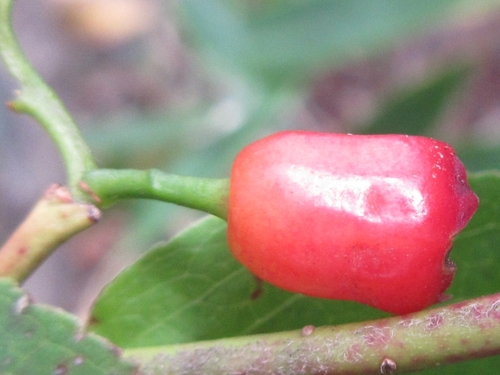
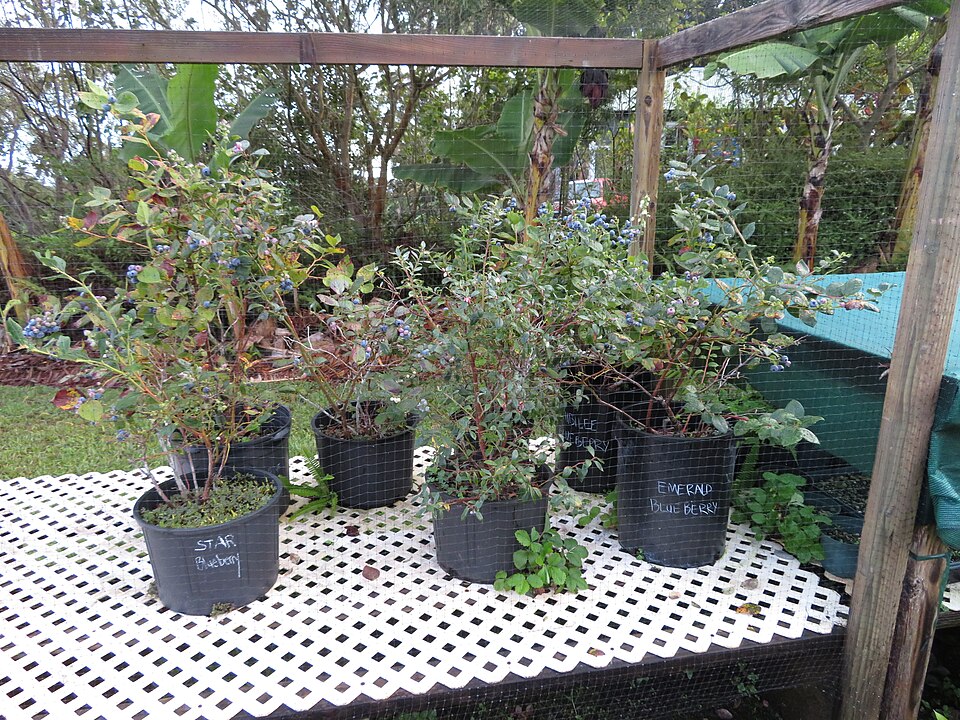
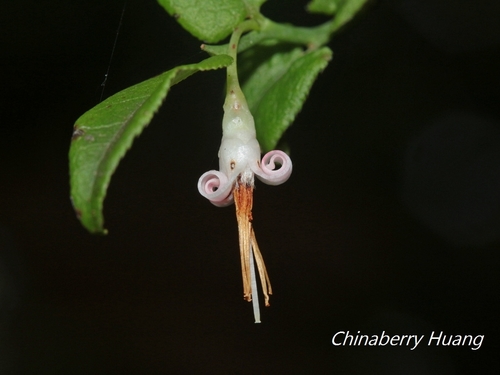
Vaccinium angustifolium subsp. laevifolium
House
Low sweet blueberry
No photos yet for Vaccinium angustifolium subsp. laevifolium
Sign in to contribute a photoSummary
Source: WikipediaVaccinium angustifolium, commonly known as the wild lowbush blueberry, is a species of blueberry native to eastern and central Canada and the northeastern United States. It is the most common commercially used wild blueberry and is considered the "low sweet" berry.
Description
A shrub in the Ericaceae family found in temperate regions, valued for its edible berries.
This description is brief — help expand it
Edible Uses
The fruit are eaten.
Distribution
It is a temperate plant.
Where It Grows
North America, USA,
Dangerous Lookalikes
This plant can be confused with the following toxic species. Always verify identification carefully before consuming any wild plant.
Deadly Nightshade
Atropa belladonna
Joan Simon from Barcelona, España
Low sweet blueberry
Vaccinium angustifolium subsp. laevifolium
Deadly Nightshade: Tall herbaceous plant (1-2m), single shiny black cherry-sized berries, star-shaped calyx, large oval leaves, sweet but dangerous taste.
Low sweet blueberry: Low woody shrub, berries in clusters with crown/remnant calyx ring, sweet taste.
References (4)
- Glowinski, L., 1999, The Complete Book of Fruit Growing in Australia. Lothian. p 158
- New York State Mus. Bull. 243-244:61. 1923 [ As var.]
- Plants for a Future database, The Field, Penpol, Lostwithiel, Cornwall, PL22 0NG, UK. http://www.scs.leeds.ac.uk/pfaf/
- Toupal, R. S. & Hollenback, K., 2009, An Ethnobotany of Indiana Dunes National Lakeshore: Plant Uses of the Ojibwa People. Bureau of Applied Research in Anthropology. University of Arizona