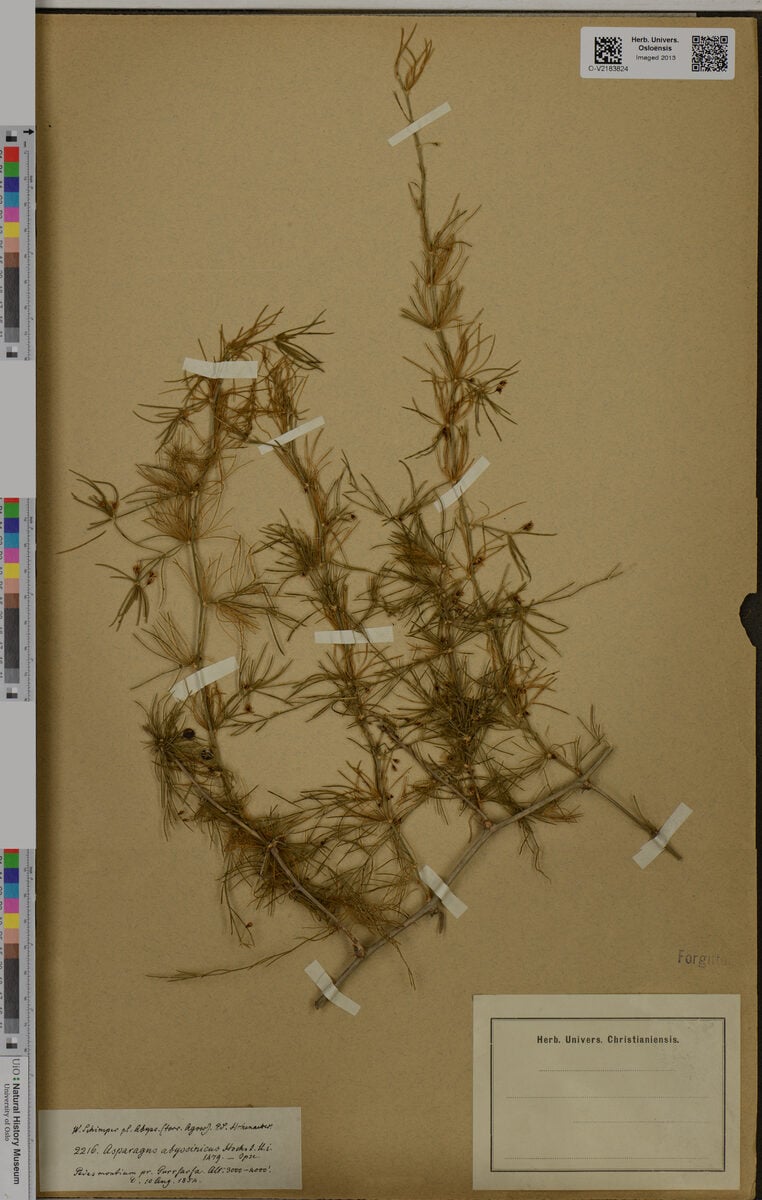
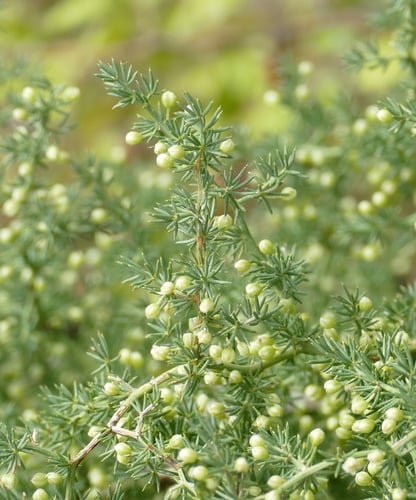
Urginea indica
(Roxb.) Kunth
Indian squill, True squill, Sea-onion
iNaturalist· cc0
no rights reserved
iNaturalist· cc0
no rights reserved
iNaturalist· cc0
no rights reserved
Description
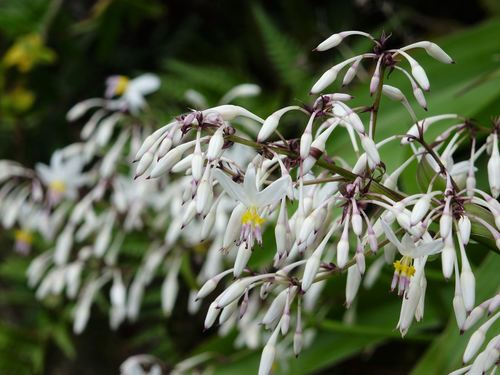
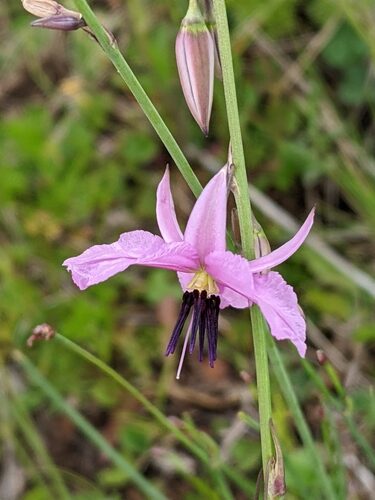
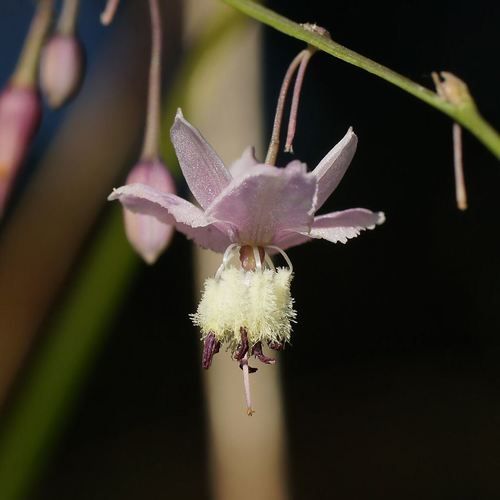
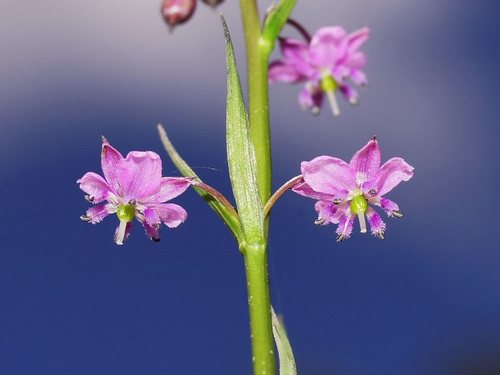
A herb. It has a bulb. It has a flowering stalk 30-100 cm high. The flowers are greenish-white. The flowers appear before the leaves. There are 4-15 flowers. The leaves are in a ring at ground level. They are 13-25 cm long by 0.6-2.5 cm wide. The bulb can be 6-8 cm across.
Edible Uses
The leaves are eaten, particularly in times of scarcity, as are the roots.
Traditional Uses
The leaves are eaten in times of scarcity.
This uses section is brief — help expand it
Medicinal Uses
D. indica is used as a substitute for the "true squill", Drimia maritima, in traditional medicine.
Known Hazards
Caution advised with edible portions.
Distribution
A tropical plant. It grows on the Deccan in India. In the Himalayas it grow up to 2,000 m above sea level.
Where It Grows
Africa, Asia, East Africa, Himalayas, India, Kenya, Myanmar, SE Asia, Senegal, West Africa,
Other Information
Famine food
Notes
Also put in the family Hyacinthaceae.
Also Known As
Adairirulli, Adavithellagadda, Ban piyazi, Ghesuwia, Jangli kanda, Jangli piyaz, Kachwassal, Kattulli, Kochinda, Koli-kanda, Kolkanda, Nakkavulligadda, Narivangayam, Ndudunde, Padaing-kyettun, Ranacha kanda, Rankanda, Sudarshan, Vanapandan
References (10)
- Ambasta, S.P. (Ed.), 2000, The Useful Plants of India. CSIR India. p 662
- Burkill, H. M., 1985, The useful plants of west tropical Africa, Vol. 3. Kew.
- Enum. pl. 4:333. 1843
- Hedrick, U.P., 1919, (Ed.), Sturtevant's edible plants of the world. p 665 (? As Urginea sp.?)
- Morgan, W. T. W., 1981, Ethnobotany of the Turkana: Use of plants by a Pastoral People and Their Livestock in Kenya. Economic Botany 35(1):96-130
Show all 10 references Hide references
- Pandy, R. K. & Saini, S. K., 2007, Edible plants of tropical forests among tribal communities of Madhya Pradesh. Indian Journal of Traditional Knowledge. 6(1), pp 185-190
- Peters, C. R., O'Brien, E. M., and Drummond, R.B., 1992, Edible Wild plants of Sub-saharan Africa. Kew. p 30
- Singh, H.B., Arora R.K.,1978, Wild edible Plants of India. Indian Council of Agricultural Research, New Delhi. p 40
- Singh, V. and Singh, P., 1981, Edible Wild Plants of Eastern Rajasthan. J. Econ. Tax. Bot. Vol 2 pp 197-207
- WATT,