Agave asperrima
Jacobi
Century plant, Mahuey, Mescal
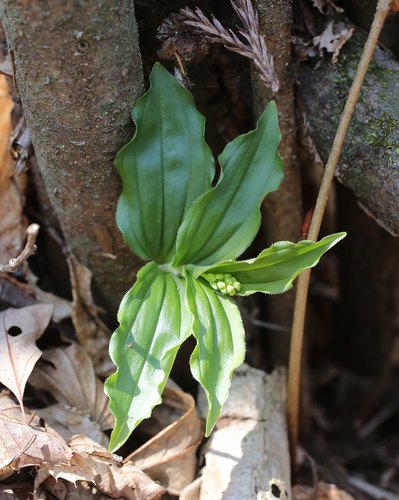
iNaturalist· cc-by-nc
(c) Joshua Ekrut, some rights reserved (CC BY-NC), uploaded by Joshua Ekrut
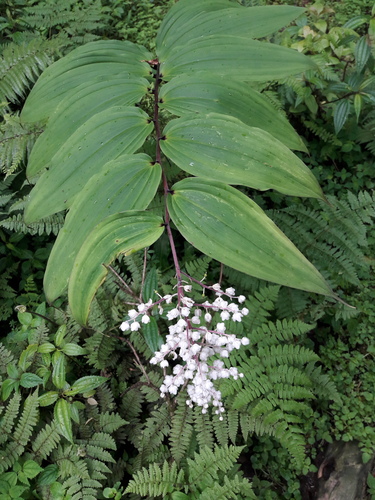
iNaturalist· cc-by-nc
(c) Omar Durán Guerra, some rights reserved (CC BY-NC), uploaded by Omar Durán Guerra
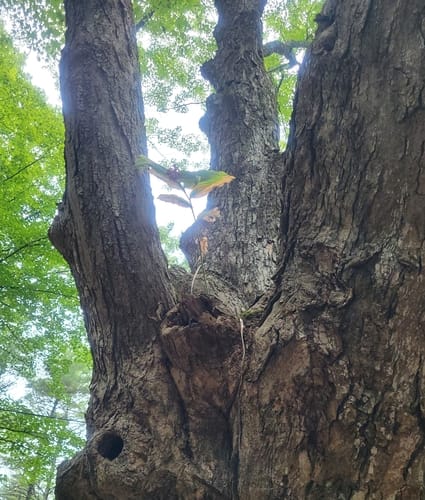
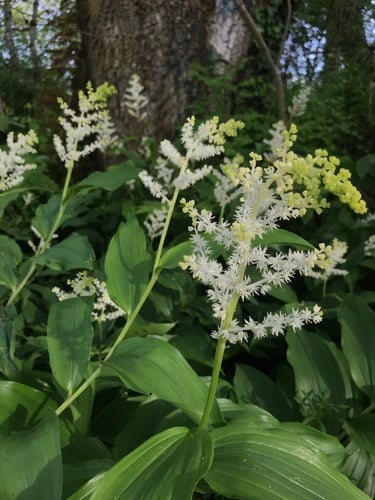
iNaturalist· cc-by-nc
(c) Carlos G Velazco-Macias, some rights reserved (CC BY-NC), uploaded by Carlos G Velazco-Macias
Description
The plant is a thick rosette of thick, fleshy leaves. They are 45-65 cm long. There are spines along the edges. There is a long strong spine at the end of each leaf. At flowering a long flower stalk is produced in the centre of the leaves. This is 10-15 cm across and grows 4-7 m long. In the top one third of this stout stems grow. These are 0.5-1 m long and have an end that turns upwards with a cluster of yellow tube shaped flowers.
Edible Uses
The sap is collected and consumed as a drink, boiled and thickened into syrup, or fermented into alcoholic beverages (pulque, mescal, and tequila). The flower stalk is baked in a pit oven.
Traditional Uses
The sap is used to produce 3 alcoholic drinks - pulque, mescal and tequila. Caution: Alcohol is a cause of cancer. The sap is collected and used as a drink. The flower stalk is baked in a pit oven. The sap is also fermented into an alcoholic drink. The sap is is boiled and thickened into a syrup.
Known Hazards
Many Agave species have strong, sharp spines on the leaves and leaf tips. In theory at least, the flowers, nectar, immature flowering stem and the centre of the rosette of all Agave species is edible and, with proper preparation, can provide a sweet, tasty foodstuff. Some species, however, contain relatively high levels of saponins (which makes them taste bitter) and some other compounds which can cause bellyache, and so these would only be eaten in times of desperation. In addition, many people may find these foods to be strongly laxative the first few times they eat them.
Distribution
It grows mostly in the Chichuahuan desert in Texas. It can grow in arid places.
Where It Grows
Central America, Mexico, North America, USA,
Cultivation
Agave asperrima is found in semi-arid areas from the warm temperate climate of southern Texas to the tropical regions of central Mexico at elevations up to 2,400 metres. Agave species generally require a sunny position, succeeding in most soils of medium-fertility so long as they are very well-drained. Most species are undemanding as to the soil pH, though those found in the wild on limestone soils will grow better in neutral to alkaline conditions. Plants are generally very tolerant of dry conditions and of extended periods of drought. Most Agave species are monocarpic, individual rosettes living for a number of years without flowering before sending up an often very large flowering stem and then dying after flowering and setting seed. This species, however, produces a number of new rosettes from suckers or offsets during its lifespan, sometimes at some disance from the parent plant, and these new plants will continue to grow after the death of the parent plant. Over time, some species can form extensive clonal colonies by this means. Individual plants take about 7 - 15 years in their native habitat, considerably longer in colder climates, before flowering. Members of this genus are rarely if ever troubled by browsing deer.
Propagation
Seed - surface sow in a container in a light position. The seed usually germinates in 1 - 3 months at 15 - 20°c. Prick out the seedlings into individual pots of well-drained soil when they are large enough to handle and grow them on in a sunny position until they are at least 10cm tall before planting out. Offsets and suckers can be potted up at any time they are available. Bulbils, where produced, are an easy method of propagation. Simply pot them up and plant out at the beginning of a growing season when they are 10cm or more tall.
Production
It may take 12-15 years before flowering.
Notes
There are about 250 Agave species. The Agavaceae are mostly in the tropics and subtropics.
Synonyms
References (9)
- Astrada, E., et al, 2007, Ethnobotany in the Cumbres de Monterrey National Park, Nuevo Leon, Mexico. Journal of Ethnobiology and Ethnomedicine 3:8
- Beckstrom-Sternberg, Stephen M., and James A. Duke. "The Foodplant Database." http://probe.nalusda.gov:8300/cgi-bin/browse/foodplantdb.(ACEDB version 4.0 - data version July 1994) (As Agave wislizeni)
- Biocyclopedia Edible Plant Species. biocyclopedia.org (As Agave wislizeni)
- Bircher, A. G. & Bircher, W. H., 2000, Encyclopedia of Fruit Trees and Edible Flowering Plants in Egypt and the Subtropics. AUC Press. p 13 (As Agave wislizeni)
- Bonplandia 7:89. 1859 (non Ortega 1797)
Show all 9 references Hide references
- Hedrick, U.P., 1919, (Ed.), Sturtevant's edible plants of the world. p 30 (As Agave wislizeni)
- Nugent, J., 1999, Agaves and cacti., Permaculture plants. Sustainable Agriculture Research Institute. PO Box 10, Nanup, WA, 6275 (Also as Agave wislizeni)
- Loughmiller, C & L., 1985, Texas Wildflowers. A Field Guide. University of Texas, Austin. p 5
- Trans. Acad. Sci. St. Louis 3:320. 1875 (Taxon 23:557. 1974 advocates spelling "wislizenii" but the original spelling, permissible under ICBN Rec. 60C.2, is not correctable under ICBN Art. 60.11\; wrongly treated as superfluous by some (see Ullrich 1992, p. 247) (As Agave wislizeni)