Tsuga mertensiana
(Bongard) Carriere
Mountain hemlock, Mountain Hemlock Spruce, Black hemlock
iNaturalist· cc-by-sa
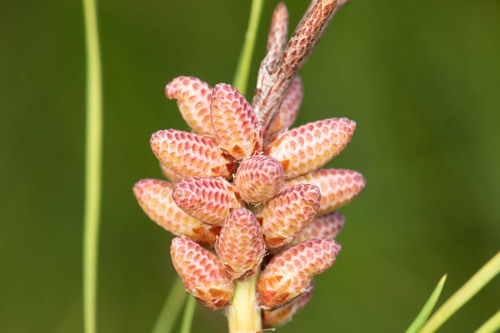
(c) Jim Morefield, some rights reserved (CC BY-SA)
iNaturalist· cc-by-nc
(c) jacquelinerose, some rights reserved (CC BY-NC), uploaded by jacquelinerose
iNaturalist· cc-by-nc
(c) mhays, some rights reserved (CC BY-NC), uploaded by mhays
Summary
Source: WikipediaTsuga mertensiana, known as mountain hemlock, is a species of hemlock native to the west coast of North America, found between Southcentral Alaska and south-central California.
Description
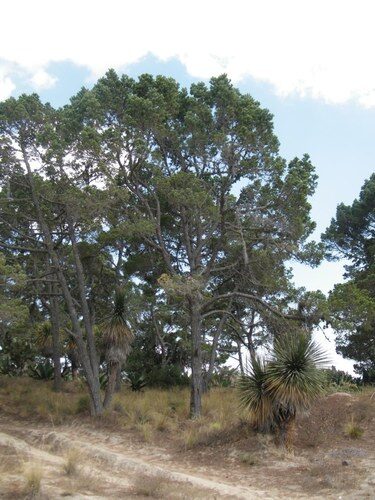
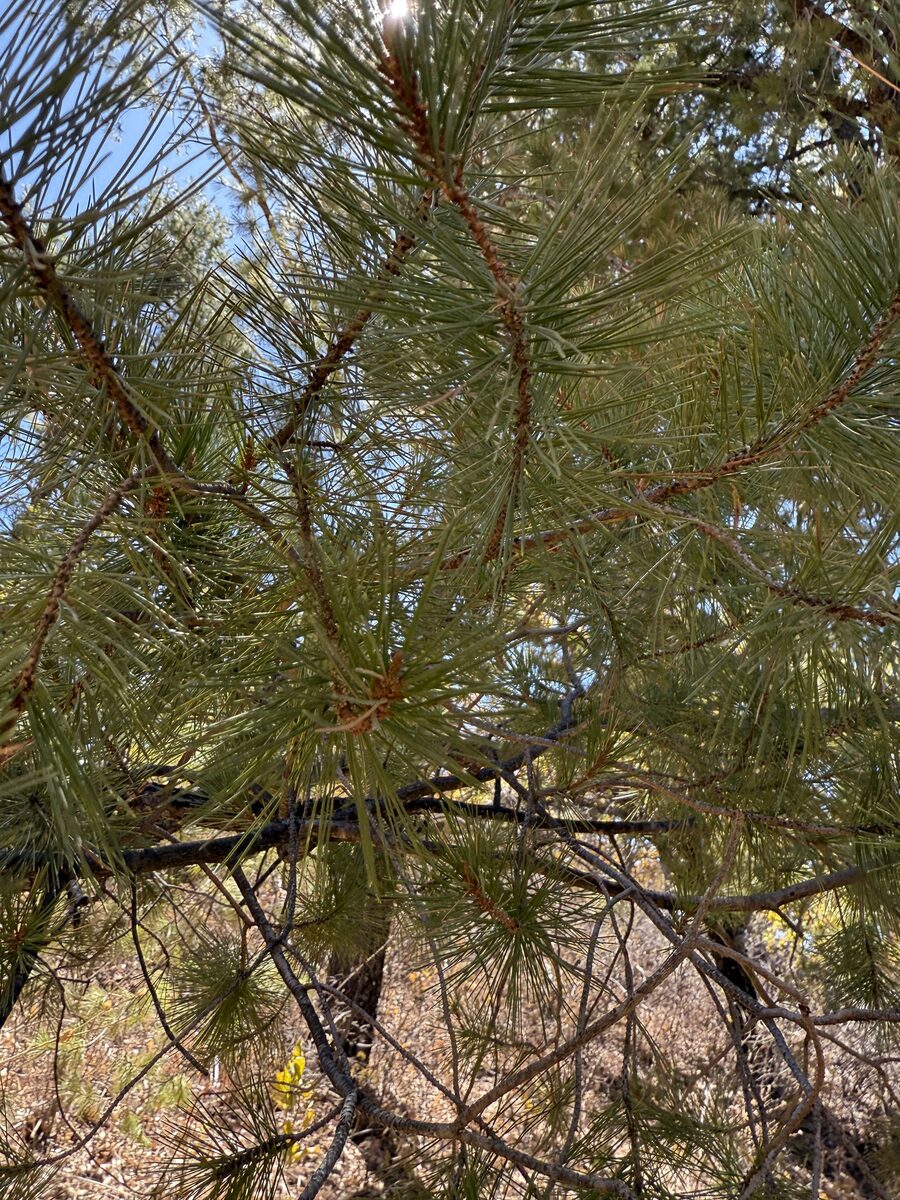
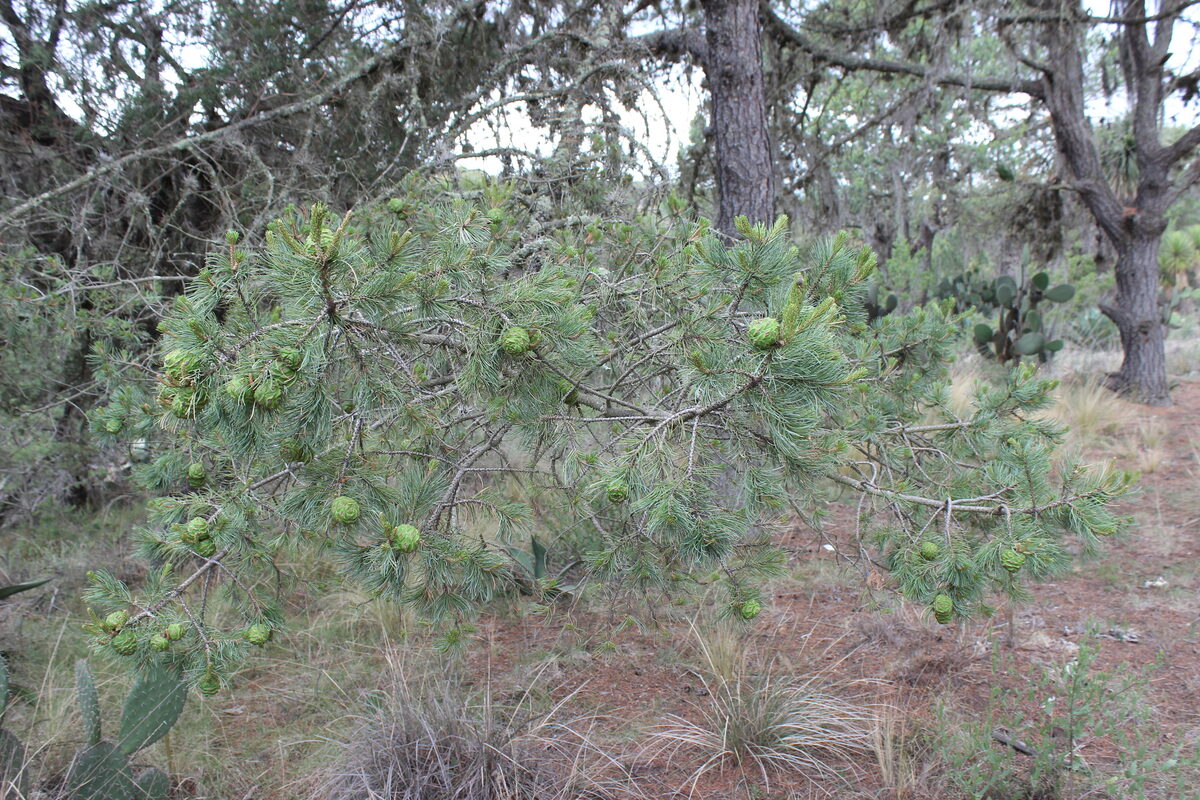
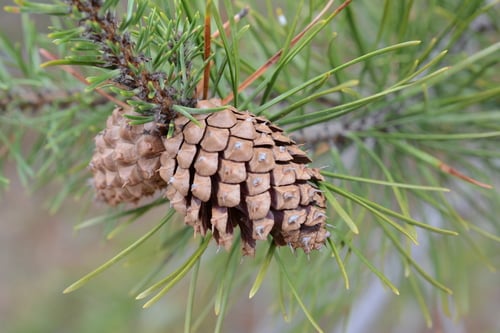
A variable size tree. It is usually 15 m tall and 50 cm across the trunk but can be 45 m tall. It is a low spreading shrub at high altitudes. At lower elevations it has a strongly tapering trunk and branches almost to the ground. The leaves are needle like and single and rounded in cross section. They are 20-30 mm long with blunt tips. Both surfaces are dark bluish-green. The needles are crowded and spread all around the twigs. The seed cones are oblong and 30-80 mm long. They are purplish-brown. The scales are broad and thickened. They are fan shaped. They are rough along the edges. The cones open in autumn and spread widely. The scales bend back.
Edible Uses
The inner bark can be eaten raw or dried, ground into a powder, and used as a thickening in soups or mixed with cereals for bread. It is best used in spring. It is considered an emergency food, used only when all else fails. A herbal tea is made from the young leaves and shoot tips.
Traditional Uses
The inner bark was baked and eaten. The fresh needles are used as a tea substitute. Spruce oil is used to flavour candy.
This uses section is brief — help expand it
Medicinal Uses
The bark is astringent, diaphoretic and diuretic. A tea made from the inner bark or twigs helps treat influenza, colds, kidney or bladder problems, and also serves as a useful enema for diarrhoea. It can be used as a gargle or mouthwash for mouth and throat problems, or applied externally to wash sores and ulcers. The powdered bark can be placed in shoes to help with tender or sweaty feet and foot odour. A poultice of chewed leaves has been used to treat burns, and the warm gum from the trunks has been applied as a dressing on cuts.
Distribution
It is a temperate plant. It grows in the wetter areas of the subalpine forests between 750-1800 m altitude in Canada. It grows best in deep, moist soils on slopes away from the sun. It suits hardiness zones 4-9.
Where It Grows
Alaska, Australia, Canada, North America, USA,
Cultivation
Plants are grown from seed. Seed germinate in spring even in snow. Plants can be grown by layering.
Propagation
Seed germinates better with a short cold stratification and is best sown in a cold frame from autumn to late winter. It can also be sown in early spring, though germination may be delayed until after the following winter. Where seed is plentiful, an outdoor spring sowing is possible. Pot-grown seedlings should be moved into individual pots once large enough to handle, grown on in a cold frame, and planted out in early summer the following year. Trees transplant well up to 80cm tall but are best placed in their final positions at 30–45cm or less in height, typically at 5–8 years old. Larger trees check badly and put on little growth for several years, which also badly affects root development and wind resistance.
Other Uses
Slightly unripe cones are used in pot-pourri, retaining an attractive scent for several years. A resin similar to that of Abies balsamea is gathered by incisions in the trunk or by boiling the wood. The bark contains 8–14% tannin, with the inner bark used according to one report. A brown dye is obtained from the bark. Boughs are steamed or rubbed on furniture and used as a room deodorant and disinfectant. Hemlock pitch is obtained by distillation of the young branches. The plant tolerates light trimming and can be grown as a tall hedge. The wood is reported as strong and used for heavy construction, though other reports describe it as close-grained, light, soft and weak, noting it is occasionally manufactured into lumber when other wood is unavailable.
Notes
There are 10 or 11 Tsuga species.
Synonyms
References (13)
- Beckstrom-Sternberg, Stephen M., and James A. Duke. "The Foodplant Database." http://probe.nalusda.gov:8300/cgi-bin/browse/foodplantdb.(ACEDB version 4.0 - data version July 1994)
- Bodkin, F., 1991, Encyclopedia Botanica. Cornstalk publishing, p 996
- Brickell, C. (Ed.), 1999, The Royal Horticultural Society A-Z Encyclopedia of Garden Plants. Convent Garden Books. p 1027
- Cundall, P., (ed.), 2004, Gardening Australia: flora: the gardener's bible. ABC Books. p 1435
- Elias, T.S. & Dykeman P.A., 1990, Edible Wild Plants. A North American Field guide. Sterling, New York p 122
Show all 13 references Hide references
- Facciola, S., 1998, Cornucopia 2: a Source Book of Edible Plants. Kampong Publications, p 171
- Farrar, J.L., 1995, Trees of the Northern United States and Canada. Iowa State University press/Ames p 118
- Grandtner, M. M., 2008, World Dictionary of Trees. Wood and Forest Science Department. Laval University, Quebec, Qc Canada. (Internet database http://www.wdt.qc.ca)
- Kermath, B. M., et al, 2014, Food Plants in the Americas: A survey of the domesticated, cultivated and wild plants used for Human food in North, Central and South America and the Caribbean. On line draft. p 883
- Kiple, K.F. & Ornelas, K.C., (eds), 2000, The Cambridge World History of Food. CUP p 1785
- Lord, E.E., & Willis, J.H., 1999, Shrubs and Trees for Australian gardens. Lothian. p 90
- MacKinnon, A., et al, 2009, Edible & Medicinal Plants of Canada. Lone Pine. p 40
- Traite gen. conif. ed. 2:250. 1867